
Cultural and Culinary Travel Experiences in Europe
Explore top cultural and culinary travel experiences in Europe and the US, including the Camino Francés, New York Koreatown, and Berlin museums.
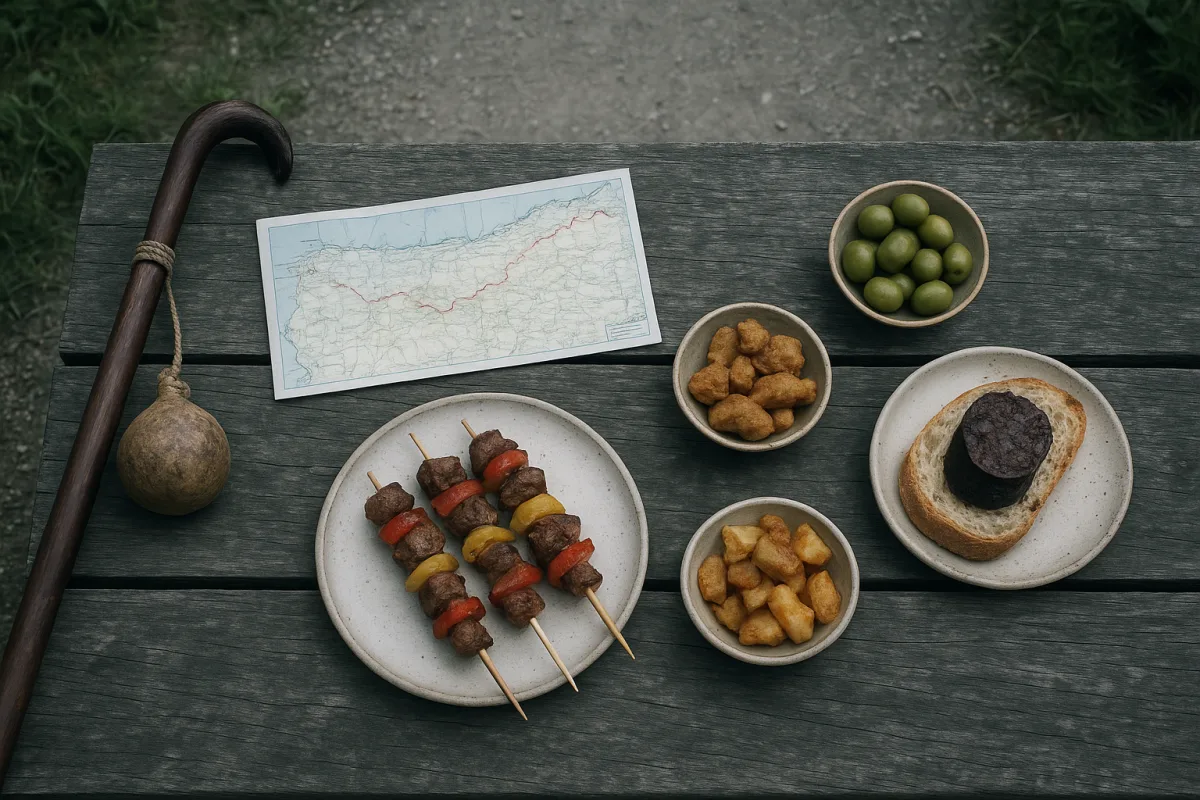
Cultural and Culinary Stops to Build a Europe-and-New York Itinerary Around
Choose the trip shape before you book
You are choosing among three very different kinds of cultural travel. The Camino Francés asks for days of walking and a willingness to eat according to the town you reach. New York’s Koreatown is a concentrated evening out. Berlin needs advance choices because its major museums can easily fill entire days.
We would put the Camino first if food is part of a longer pilgrimage, Berlin first if you want historical context and major collections, and Koreatown into any New York itinerary when you need a late lunch, dinner, or post-show meal. Miss Korea is open around the clock, which makes it unusually flexible. [3]
The Camino has an added reason to plan ahead for 2027. The Holy Year, or Xacobeo, begins December 31, 2026 and runs through 2027, increasing the pilgrimage’s religious significance and likely drawing more walkers to the route. [4]
Plan the Camino around the towns where you will eat
On the Camino Francés, Pamplona is the first major stop after the Pyrenees. It is a good place to begin a food-focused section because the old town’s bars make pinchos, small bites eaten with drinks while moving between bars, part of the evening rather than a formal meal. [1]
Start at Bar Gaucho, a well-known Pamplona pinchos bar, for its truffled egg or its bread-based bite with piparra sauce, smoked sturgeon, mustard, and edible flowers. Lonely Planet’s Jacqueline followed local gastronomy guide Beatrice Atayo there, then visited Casa de Biriti for more inventive pinchos built around Navarre produce. [1]
Budget for variation, not a fixed Camino price. 2026 listings put typical Pamplona pinchos at roughly €2.50 to €4 each, while Bar Baviera lists them from €1.40 to €4.50. That is food only, so add your drink and do not assume every bar on the route charges the same. [4]
Avoid building your Pamplona stop around San Fermín if you dislike packed streets and fuller bars. Lonely Planet filmed during the smaller San Fermín Chiquito celebration, while July’s main San Fermín festival pushes a caña, a small draft beer, from about €2.50 to €3.50 and may raise pinchos prices too. [1][4]
In Burgos, make Calle San Lorenzo your compact tasting route. Begin at El Pescador San Lorenzo with vermouth, anchovies, and crisps, then go to Casa Pancho for a morcilla pincho. Burgos morcilla is blood sausage prepared with rice, a local classic worth trying before ordering more elaborate plates. [1]
Give yourself a little time here. Chef Miguel Cobo’s Burgos restaurants offer two distinct ways to eat: Cobo Tradición centers on flavors from his Cantabrian upbringing, while Cobo Evolución uses a more experimental menu shaped by food history and human evolution. [1]
León is where you should plan your drinking and dinner later. The city’s tapeo custom means you order a drink and receive a free tapa, a tradition that remains unusually strong here. Treat the food as included with the drink, but still budget for the drinks themselves and any extra orders. [1]
Try cecina, León’s slowly cured beef, which is salted, washed, smoked, then dried and cured over months. The region’s high altitude helps that process. Delirios y Tapas also turns the familiar Spanish tortilla into a modern pincho if you want a more contemporary version of a local staple. [1]
Book Camino beds before relying on the food stops
Food planning only works if you can stay in the town where you planned to eat. Winter albergue closures are common on the Camino Francés, though at least one albergue generally remains open every 20 to 25 kilometers. Roncesvalles Collegiate stays open year-round, with reduced winter capacity. [4]
Carry a pilgrim credential and valid identification if you intend to use albergues. Both are required for those stays. If the Compostela certificate is your goal, walk at least 100 continuous kilometers, or cycle 200 kilometers, and collect the required credential stamps along the way. [4]
We would not walk into León expecting a bed, then start tapeo. Secure your overnight stop first, especially in winter and during the 2027 Holy Year. That leaves you free to spend the evening in Barrio Húmedo, the neighborhood associated with León’s nightly tapas ritual. [1][4]
Reserve Koreatown dinner, then eat beyond barbecue
Manhattan’s Koreatown is centered on 32nd Street between Broadway and Fifth Avenue, where Korean businesses began clustering in the late 1970s. Today it is an all-hours entertainment district with restaurants, K-pop shopping, karaoke, casual snacks, and high-end cooking within a few blocks. [3]
For a full barbecue meal, book Miss Korea. Actor and comedian Nora Lum, known as Awkwafina, chose its upstairs dining room for a Korean barbecue spread with banchan, assorted small side dishes, and chargrilled short ribs. The restaurant operates 24 hours and serves a full menu. [3][4]
Do not arrive at 6:30 or 7 p.m. on a Friday expecting to walk straight in. Those hours, plus weekends, are the busiest periods at Miss Korea. Reserve through Resy or Toast Tables, then use the neighborhood’s late hours to make dinner the start of the night, not the whole plan. [4]
Cross the street to BCD Tofu House if you want a different kind of Korean meal. Awkwafina and Condé Nast Traveler highlighted its crispy seafood pancake, spicy marinated crab, and signature soondubu, a tofu stew served bubbling in a clay pot. BCD opened in 2008 and now regularly draws lines. [3]
For a lower-commitment stop, pick up kimbap at Woorijip, a fast-casual fixture for snacks and soju drinking. Then head to Food Gallery 32 for bungeoppang, the fish-shaped pastry that Awkwafina specifically seeks out there, one of Manhattan’s rarer places to find it. [3]
Koreatown rewards a mixed order: one substantial sit-down meal, then smaller bites. We would choose BCD for dinner if you want soup and shared dishes, or Miss Korea for a celebratory barbecue meal. Save Woorijip and Food Gallery 32 for the part of the night when everyone wants one more thing. [3]
Separate Berlin’s difficult history from its art day
Berlin’s museums can turn into a forced march if you treat all of them as checkboxes. Begin with the sites that explain the city’s twentieth-century history, and schedule them when you have the concentration for documents, photographs, testimony, and emotionally hard material.
Start at the Berlin Wall Documentation Center. It has a preserved 70-meter section of wall, a watchtower, former border strip, open-air exhibition, and observation platform. Entry is free. Travels Unfiltered recommends beginning inside the documentation center before walking the outdoor site. [2]
Continue to the Tränenpalast, or Palace of Tears, at Friedrichstraße station. This former East Berlin border-crossing hall handled passport and luggage checks for people leaving for West Berlin. Its permanent exhibition uses objects, photographs, and eyewitness accounts to explain why the departure point earned its name. [2]
Set aside about two hours for the free Topography of Terror, built on the former Gestapo and SS headquarters site. The exhibition traces the Nazi regime, its institutions, and its crimes through extensive photographs and documents. Travels Unfiltered recommends the audio guide because there is substantial reading. [2]
Do not sandwich these three sites between art museums simply to save time on a map. We would make them the center of one day, then give yourself a lighter evening. The emotional weight is part of what makes these places valuable, and rushing them defeats the purpose. [2]
Buy only the Berlin museum ticket you will use
Museum Island is your next decision. If you have time for only one museum there, pick the Neues Museum. It combines Egyptian history, prehistoric objects, and classical antiquities, including the bust of Queen Nefertiti, with a building restored by architect David Chipperfield after wartime damage. [2]
Follow the museum’s route from the beginning. Travels Unfiltered found the layout confusing when trying to head directly to Nefertiti, who is upstairs. The restoration intentionally leaves visible traces of war damage, so the building itself adds to the visit rather than serving as a neutral container. [2]
Choose the Alte Nationalgalerie if nineteenth-century painting is your priority. Its collection includes Caspar David Friedrich, Monet, Manet, German Romantic works, and Impressionist art. Adult entry is €16, concession entry is €8, and the gallery is closed Mondays. [2][4]
The €16 Alte Nationalgalerie ticket includes temporary exhibitions, including Across Epochs, which runs through February 28, 2027. That corrects a separate €6 temporary-exhibition charge reported by Travels Unfiltered after a visit. Check the current listing before purchase, but do not budget an automatic supplement. [2][4]
Buy the €24 Museum Island day pass, €12 for concessions, when you will visit multiple museums in one day. It covers the island’s participating museums, while the annual pass costs €35, or €23 for concessions. These figures cover admission, not transportation, meals, or other attractions. [4]
For a non-Island change of pace, the Natural History Museum has a Brachiosaurus skeleton more than 13 meters tall, the Archaeopteryx fossil, dinosaur eggs, minerals, taxidermy, and biodiversity displays. Tickets are about €11, making it a strong visual payoff without committing an entire day. [2]
If trains, aircraft, and machinery are your interest, choose the German Museum of Technology instead. Its €15 admission covers large original planes, locomotives, ships, cars, communications technology, and computers. The museum also has a hands-on science center, and the Berlin Welcome Card brings the price down by 50 percent. [2]
For art and antiquities, we would buy the Museum Island pass and pair the Neues Museum with the Alte Nationalgalerie. For history, we would spend nothing on entry for the Berlin Wall Documentation Center and Topography of Terror, then pay for only one museum that matches your remaining energy.
Frequently Asked Questions
What are the best cultural and culinary experiences in Europe and the US?
A food-focused walk on the Camino Francés offers diverse regional specialties like pinchos in Pamplona, morcilla in Burgos, and free tapas with drinks in León. In New York’s Koreatown, a mix of Korean barbecue at Miss Korea, tofu stew at BCD Tofu House, and casual snacks from Woorijip or Food Gallery 32 creates a rich culinary experience. Berlin’s cultural visits are best split between heavy-history sites on one day and Museum Island’s art and antiquities on another.
How to plan a food-focused itinerary on the Camino Francés?
Plan your stops around towns known for distinctive local foods: start with pinchos bars in Pamplona’s old town, continue to Burgos’s Calle San Lorenzo for morcilla and vermouth, and end with León’s tapeo tradition where drinks come with free tapas. Secure accommodations in advance, especially in winter or during the 2027 Holy Year, to ensure you can stay where you plan to eat. Budget for variation in pinchos prices and remember that drink prices may rise during festivals like San Fermín.
Where to eat in New York's Koreatown for an authentic experience?
Reserve a dinner at Miss Korea for Korean barbecue with banchan and chargrilled short ribs, especially on busy Friday or weekend evenings. For a different style, try BCD Tofu House’s soondubu and seafood pancake. For lighter snacks, visit Woorijip for kimbap and Food Gallery 32 for bungeoppang. Koreatown dining works well as a mixed order of one substantial meal followed by smaller bites.
How to organize museum visits and food stops in Berlin?
Dedicate separate days to Berlin’s historical sites and to Museum Island’s galleries to avoid rushed visits. Buy the €24 Museum Island day pass only if you plan to visit multiple museums; otherwise, single tickets like the €16 Alte Nationalgalerie admission are more economical. Plan meals around your museum schedule, allowing time to enjoy Berlin’s culinary scene without hurrying through exhibits.
What should I know before traveling the Camino Francés for food?
Winter closures of albergues are common, but at least one remains open every 20 to 25 kilometers; Roncesvalles Collegiate is open year-round with reduced capacity in winter. Carry a pilgrim credential and valid ID to stay in albergues, and collect stamps to qualify for the Compostela certificate after walking 100 continuous kilometers. The 2027 Holy Year will increase pilgrimage traffic, so booking accommodations ahead is important.
How we researched this
This article was assembled from 2 video sources across 2 channels, 1 published article.
Nothing here is based on hands-on testing. Where a figure or finding appears, it belongs to the source cited beside it, and the writing says so rather than implying otherwise. Every source is listed below so you can check it.
Sources
- A Taste of Spain: Local Eats Along the Camino de Santiago, Lonely Planet
- 10 Berlin Museums You NEED To Visit!, Travels Unfiltered
- Awkwafina Takes Us on a Nostalgic Food-Tour of NYC's Koreatown, CN Traveler
Watch Cultural and Culinary Travel Experiences in Europe and the US on Youtube
Also from the sources
Related Articles
Culinary Travel Italy and Thailand: Food, Budgets & Tips
Explore culinary travel in Italy and Thailand with regional dishes, budgets, and dining tips for authentic food experiences.
Foraging, Hunting, and Fishing Travel Experiences Guide
Explore foraging, hunting, and fishing travel experiences with tips on costs, logistics, legal rules, and what to expect on guided trips.
Unique Travel Experiences and Cultural Insights in Bhutan
Explore unique travel experiences and cultural insights in Bhutan and Sudan, including Bhutan tour costs and Sudan travel safety updates.
Off-Grid Travel Experiences: Cultural and Practical Insights
Explore off-grid travel experiences with tips on tent living, boat living, and visiting unique cultural communities.