
Culinary Travel Italy and Thailand: Food, Budgets & Tips
Explore culinary travel in Italy and Thailand with regional dishes, budgets, and dining tips for authentic food experiences.
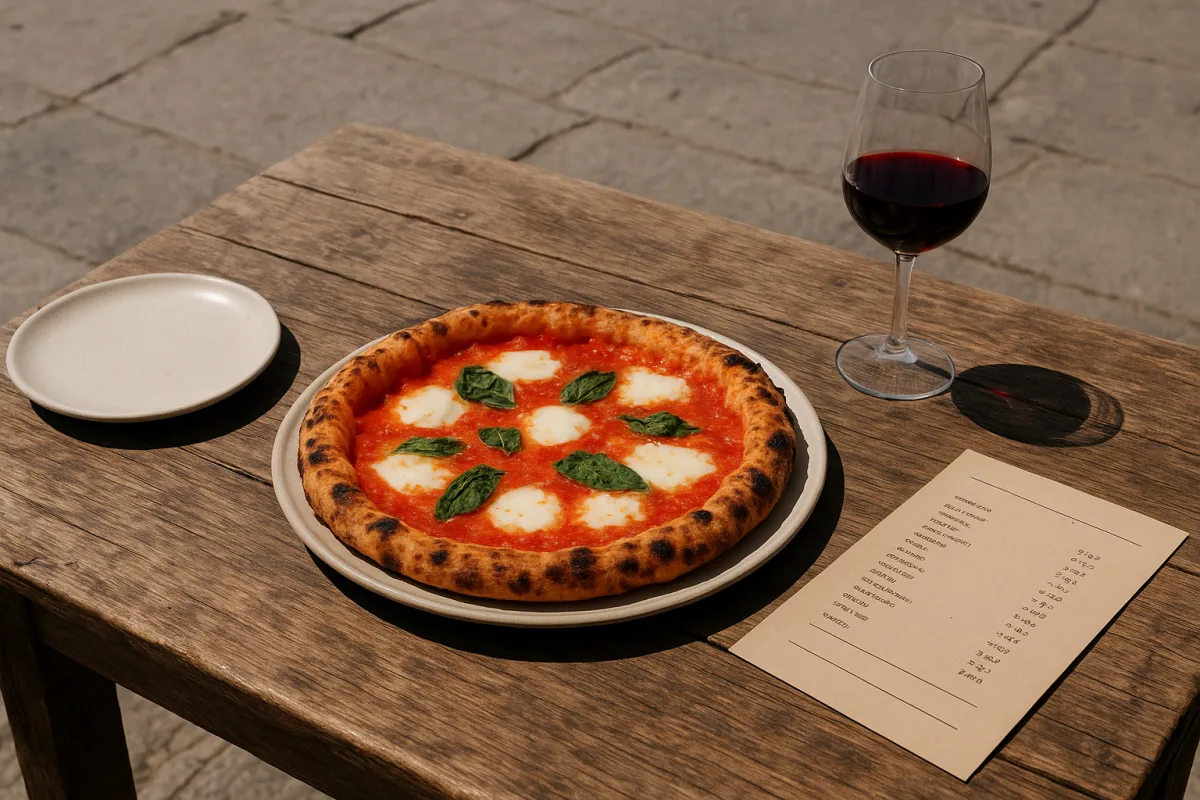
Start by choosing the food destination, not just the country
Italy and Thailand both reward food-first planning, but they demand different itineraries. In Italy, the practical mistake is treating “Italian food” as one cuisine. In Thailand, it is assuming Bangkok contains every version of the country’s cooking.
For Italy, give each major stop a culinary job. Naples is for soft-centered pizza, Rome for concise pasta menus and fried snacks, and Bologna for Emilia-Romagna’s richer, meat-led cooking. The Tour Guy’s Italian food guide makes the central point clearly: regional dishes make more sense in their home city.
That means a Rome-to-Florence-to-Venice route can be enjoyable, but it will not automatically deliver Naples pizza or Bologna ragù. Add those places deliberately, rather than ordering generic versions in restaurant districts where the dish has little regional context.
Thailand works differently because street-food cities, markets and seafood towns can be day-trip destinations. Ayutthaya, the former Siamese capital north of Bangkok, is the focused choice for giant freshwater river prawns, not an interchangeable Bangkok seafood dinner.
Luke Martin’s channel filmed the prawn experience at Goong Poon Prao near Ayutthaya’s fish market, where diners select live prawns by size before charcoal grilling. That is a specific meal format worth travelling for, but it also needs a realistic budget.
Pick dates around eating hours and demand
Naples pizza is most naturally a dinner plan. Local practice places pizza around 9 pm, not at the early-evening hour many visitors expect, and a bar espresso costs roughly €1. [3] Arrange sightseeing so you are not forcing a heavy meal at 6 pm.
A traditional Neapolitan pizza is not designed for endless modifications. Its regulated dough uses flour, yeast, water and salt, with no fat or sugar; it is baked hot and fast, around 60 to 90 seconds in a wood-fired oven. [3]
The result is a pizza with a thin, soft centre and raised rim, rather than a rigid slice built for takeaway. Eat it with knife and fork if necessary. That is customary in Naples, especially with a soft-centred pie, and avoids the awkward assumption that folding is mandatory. [3]
For Thailand, do not plan around an imagined closed season for giant river prawns. There were no formal local or seasonal harvesting restrictions reported as of September 2026, although availability can shift with environmental conditions, demand and transport costs.
That distinction matters when booking a day trip. A restaurant promotion does not prove a harvest season, and a shortage is not necessarily a legal closure. Fuel-price problems in Kalasin in March 2026, for example, affected traders’ willingness to take distant orders.
Budget the meal before booking the restaurant
Italy’s inexpensive-looking menu prices can conceal the larger trip cost. A 2026 Italy budget estimate puts total daily spending at $60 to $135, including accommodation, food, transit and activities. [5] It is a broad travel range, not a food-only allowance.
Accommodation deserves attention before restaurant choices. It is the largest expense for 39 percent of Italian travellers, and summer 2026 price increases added an estimated €2.86 per overnight stay and €12.50 per tourist compared with the previous summer. [5]
For a food-focused Italy trip, use lunch to manage the budget. Bologna particularly suits this approach because its traditional food is filling and midday meals are central to the local rhythm. The Tour Guy’s Bologna segment points visitors toward the compact Mercato di Mezzo area for regional products.
Order tagliatelle al ragù in Bologna, not “spaghetti Bolognese.” The distinction is practical rather than pedantic: the local dish pairs broad tagliatelle with meat ragù. Tortellini in brodo, small stuffed pasta served in beef broth, is another regional order worth reserving for Bologna.
Thailand’s overall figures are less useful for pricing an individual prawn lunch, but they frame the trip. Thailandream estimates €1,300 to €4,000 per person for 10 to 14 days in Thailand in 2026, depending on travel style. [6]
For Ayutthaya specifically, do not rely on a claimed market per-kilo rate found in a travel video. Publicly verifiable wholesale or retail market prices are not available. Ruan Thai Kung Pao, a Bib Gourmand-listed restaurant, gives the more useful current benchmark: THB 1,000 to 1,400 per kilogram grilled. [2]
That restaurant figure includes cooked prawns as served there, not transport from Bangkok, drinks, rice, other dishes or a market purchase. The price varies by prawn size, which is important when a menu or tank price looks unexpectedly high. [2]
Book Italy’s popular tables before you arrive
Food tourism has made spontaneity less reliable, especially in Rome, Bologna and other cities with famous trattorie. Cesarine, a network of home-cooking hosts, reported bookings up 28 percent in early 2026 compared with the same period in 2025. [4]
That rise does not mean every restaurant is sold out, but it does mean a popular dinner should not be your only plan. Reserve a first-night meal, then use daytime walks to identify casual alternatives near where you are actually staying.
Language is another practical barrier. A short menu written only in Italian can be a good sign, but it can also make ingredients unclear. Learn the regional dish names before arriving, particularly where pork, anchovy, shellfish or cheese are central.
In Rome, the useful shortlist is carbonara, amatriciana, cacio e pepe and alla gricia. The Tour Guy describes them as disciplined, minimal recipes: carbonara uses egg, pecorino and guanciale, while amatriciana centres on tomato, guanciale and pecorino.
Do not expect chicken additions, meatballs or cream by default. The point of choosing a Roman trattoria is to try the kitchen’s version of a regional preparation, rather than forcing a familiar internationalised pasta format onto it.
Trastevere is a practical first stop for Roman street food and pasta, but it is not the only neighbourhood worth considering. The Tour Guy’s guide highlights fried filetto di baccalà, battered fried salt cod, plus fried zucchini flowers and Roman-style artichokes.
Order with the region, not against it
Naples is the place to keep the order simple. A Margherita of tomato, mozzarella and basil is the benchmark, and L’Antica Pizzeria Da Michele, featured by The Tour Guy, is one of the historic pizzerias associated with the city’s stripped-back style.
The guidebook trap is assuming a famous name guarantees a smooth meal. Historic pizzerias can involve queues, and a low pizza price does not make a long wait worthwhile if you have only one evening. Check the current opening arrangements and have a nearby backup.
In Rome, match the pasta to the restaurant’s stated strengths. If a menu focuses on Roman classics, order one of them. If it is primarily a seafood restaurant or a broad tourist menu, carbonara may not be the best indication of what that kitchen does well.
In Bologna, look for mortadella, Parmigiano Reggiano, traditional balsamic vinegar and ragù, all products identified in The Tour Guy’s Mercato di Mezzo stop. Mortadella is not merely a sandwich filling here: thin slices can be a straightforward lunch beside bread and cheese.
The same regional logic applies to dessert. The Tour Guy highlights a Bologna gelateria serving Parmigiano Reggiano gelato with Modena balsamic vinegar. It is a specialised regional flavour, not an obligation, but it is more informative than defaulting to chocolate everywhere.
Make Ayutthaya a meal-led day trip
Ayutthaya is about an hour and a half from Bangkok according to Luke Martin’s channel, so it can fit a day trip. The mistake is packing temple visits, a prawn lunch and an immediate return journey into a rigid timetable.
At Goong Poon Prao, as reported by Luke Martin, smaller farmed prawns were selected from tanks and grilled directly over charcoal. The filming showed prices of THB 380 or THB 500 per kilogram for those smaller prawns, but these should be treated as that visit’s observation, not a 2026 market rate.
The same report put two giant wild prawns, about 500 grams each, at roughly THB 1,600. That is useful evidence of how dramatically size and wild provenance can alter the bill, but the independent price research does not verify it as a current standard rate.
Ask whether the prawns are farmed or wild, what size bracket you are ordering, and whether the quoted price is per kilogram before the order goes on the grill. At a live-seafood restaurant, those questions matter more than a menu photograph.
The prized yellow-orange material inside a male prawn’s head is often called head butter or “Ayutthaya gold.” Luke Martin identifies it as the hepatopancreas rather than roe, while female prawns may contain eggs. This is rich, concentrated seafood flavour, not a neutral garnish.
Order steamed rice or fried rice alongside the prawns, and use nam jim seafood sauce sparingly at first. Luke Martin’s report describes the sauce as a sharp mix including garlic, chilli, fish sauce, sugar and coriander root, intended to cut through the richness.
Finally, accept that this is hands-on food. Shelling charcoal-grilled prawns is messy, and the richest head butter can be filling. The practical payoff is that Ayutthaya gives a distinct freshwater-seafood meal, rather than another generic Thai dinner ordered from a laminated menu.
Frequently Asked Questions
What are the best regional dishes to try in Italy during a food-focused trip?
Focus on eating each dish in its home region: try soft-centered pizza in Naples, concise pasta dishes and fried snacks in Rome, and rich meat ragù with tagliatelle in Bologna. Also consider tortellini in brodo in Bologna. Avoid generic versions of these dishes outside their traditional cities for an authentic experience.
How should I plan a culinary itinerary in Italy to experience authentic local foods?
Build your itinerary around regions rather than a national checklist. Include cities known for specific dishes, such as Naples for pizza, Rome for pasta, and Bologna for ragù. Schedule meals according to local dining customs, like having pizza in Naples around 9 pm, and use lunch to manage your budget, especially in Bologna.
Where can I find the best giant river prawns in Thailand?
Ayutthaya, north of Bangkok, is the recommended destination for giant freshwater river prawns. Restaurants like Ruan Thai Kung Pao near Ayutthaya’s fish market offer grilled prawns priced around THB 1,000 to 1,400 per kilogram, depending on size. This meal is considered a splurge and is best enjoyed as a slow, rich dining experience.
What is the typical budget for food and travel in Italy and Thailand?
In Italy, daily expenses including accommodation, food, transit, and activities range from about $60 to $135. Accommodation is the largest cost, and prices increased in summer 2026. For Thailand, a 10 to 14-day trip costs roughly €1,300 to €4,000 per person depending on travel style, though specific meal prices like giant river prawns are higher-end splurges within that budget.
How do dining customs differ between Italy and Thailand for food travelers?
In Italy, meals are regionally specific and timed according to local habits—for example, pizza in Naples is typically eaten at dinner around 9 pm and often with knife and fork. In Thailand, food experiences like giant river prawns are tied to specific locations and markets rather than city-wide availability, and there are no formal seasonal restrictions on prawn harvesting, though availability can vary with environmental and economic factors.
How we researched this
This article was assembled from 2 video sources across 2 channels, 6 cited references.
Nothing here is based on hands-on testing. Where a figure or finding appears, it belongs to the source cited beside it, and the writing says so rather than implying otherwise. Every source is listed below so you can check it.
Sources
I Flew to Thailand Just to Eat GIANT River Prawns! 🦐 🇹🇭 — Luke Martin
What to Eat in Italy: Best Foods and Where to Try Them — the tour guy
Ruan Thai Kung Pao — Bib Gourmand Review 2026 Ayutthaya, Price, How to Get There | ThailandAddict
Italy on a Budget 2026: $60–$135 a Day, Fully Costed | TripCostGuides
Quanto costa un viaggio in Thailandia nel 2026 | Thailandream
Watch Food and Culinary Travel Experiences in Italy and Thailand on Youtube
Also from the sources
Related Articles
Italy Travel Itinerary: Food, Cities, and Getting Around
Discover Italy travel itinerary tips comparing Cagliari and Pisa, regional foods, city highlights, and budget-friendly logistics.

Unique Unusual Travel Experiences
Explore unique unusual travel experiences with practical tips on costs, logistics, and destinations like Cappadocia, Bangkok, and Wrocław.
Dublin Travel Guide: Itinerary, Budget & Getting Around
Plan your Dublin trip with this travel guide covering a 2-day itinerary, budget tips, transport options, and must-see attractions.
Travel Tips and Guides for Armenia and Indonesia
Get practical travel tips and guides for Armenia and Indonesia covering itineraries, budgets, visas, and transport advice for a smooth trip.