
Travel Safety and Consumer Issues: Building Your Timeline
Learn travel safety and consumer issues tips, including how to document disputes and protect yourself from hidden cameras and fare abuses.
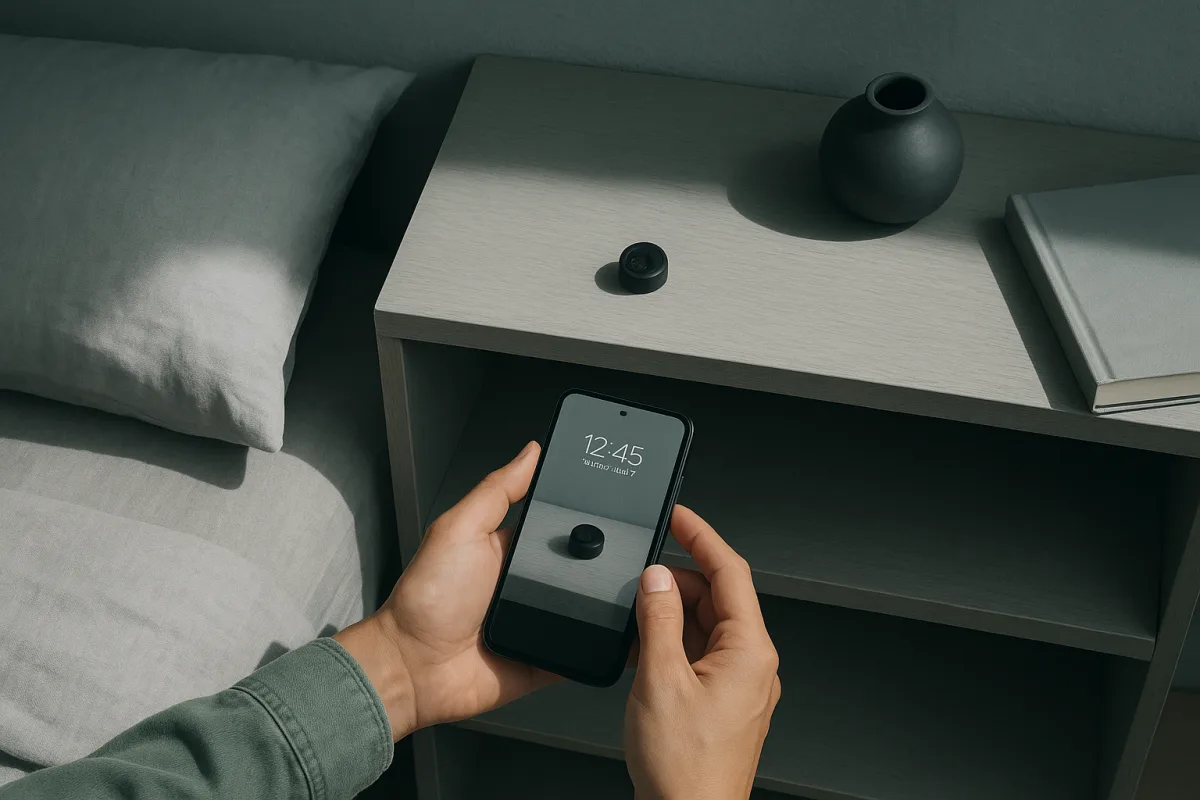
The Travel Safety Habit That Matters Most: Build a Timeline Before You Need One
A travel problem becomes a consumer claim when the timeline breaks
Most travel safety problems look unrelated at first. A guest spots a possible camera in a bedroom. An Uber driver leaves the meter running after the airport drop-off. A flight attendant handles a frightened passenger badly during a gate delay.
The common issue is not the device, driver or employee. It is the missing timeline. The traveller knows when something happened, while the company’s system may show a different version, or no useful version at all.
That is why screenshots, photographs and timestamps are more useful than a vague complaint written two days later. They establish what you bought, where you were, when the service should have ended and what happened afterward.
This is not paranoia, and it should not turn check-in into a forensic exercise. Most accommodation stays and rides are routine. The practical aim is to make an ordinary dispute easy to verify if it stops being ordinary.
The evidence chain, explained
An evidence chain is simply a sequence of records that support the same account. A booking confirmation says what you reserved. A screenshot shows the quoted fare. A photograph places you at an airport terminal at a particular time.
The strongest evidence is created before anyone knows there will be a problem. Once an Uber receipt arrives with an inflated total, for example, it is much harder to prove the original estimate if the app has stopped displaying it.
Think of it as four checkpoints: the promised service, the actual start, the actual end, and the disputed charge or event. A useful record connects at least three of those points.
For an airport ride, the promise is the quoted price and destination. The start is the pickup. The end is your arrival at the terminal. The disputed event is the final receipt showing time or distance that did not occur.
For a rental, the promise is the listing’s camera disclosure and privacy policy. The start is check-in. The disputed event is a suspicious device or an undisclosed camera. The end may be the platform report, police report or relocation.
For an airline delay, the promise is less about a fixed arrival time than basic care during the operation. The timeline records the gate, the delay announcement, cabin conditions, requests for assistance and when passengers were allowed off.
Hidden cameras: disclosure is not the same as permission
The camera issue is a good example of why travellers should separate platform rules, local law and common sense. There is no single worldwide standard for cameras in holiday rentals, and there is no emerging federal or international rule that harmonises disclosure requirements.
Airbnb prohibits interior cameras, whether active or not. Vrbo generally disallows indoor surveillance too, but its policy emphasis has been particularly directed at hidden devices. A host’s compliance with one platform policy does not settle the local legal question.
Local rules can be narrower or broader. Louisiana’s La. R.S. 21:61, for example, requires conspicuous signage for surveillance in common areas only. Other jurisdictions, including Clark County in Nevada, add their own placement and disclosure requirements.
Audio deserves separate attention. Video cameras may be disclosed, but audio recording can trigger stricter consent rules. In all-party consent states, recording sound without the required consent can create a distinct problem even where a camera itself is visible.
Wolters World’s guide to hidden cameras offers a sensible arrival routine: notice objects that do not fit the room, especially devices pointed toward a bed, bathroom or changing area. Outlets, alarm clocks, lamps, smoke detectors, vents and picture frames are plausible locations because they face the room and can conceal small electronics.
The channel also suggests using a phone flashlight in a darkened room to look for lens reflections. Treat that as a screening method, not proof. Reflections, indicator lights and ordinary smart-home devices can all look suspicious without being recording equipment.
The important correction is this: do not start unplugging, dismantling or carrying away a device you think may be a camera. Wolters World suggests moving or unplugging questionable items, but that can compromise evidence, damage property or create an argument about what was present.
Instead, photograph the object in its location from several angles. Include a wider image showing the room, then close images showing the device, cables, lens-like opening, labels and power source. Record the date, time and exact room.
Leave the accommodation if you feel unsafe, and contact the platform through its in-app or written channel so there is a case number. If the suspected device is in a bathroom, bedroom or other private space, contact local law enforcement as well.
The point is not to prove the technical specifications yourself. It is to preserve the scene long enough for the platform, police or a qualified investigator to assess it. Your first job is documentation, not device detection.
Uber’s running meter is a timeline dispute in disguise
View from the Wing reported a Mexico City airport case in which a passenger said her 19-minute Uber ride continued in the app for more than an hour after she entered the terminal. The fare rose from $24.56 to $66.72, a $42.16 difference.
The publication described the increase as 168 percent and reported that Uber refunded about $40 after the passenger’s social-media post drew more than 300,000 views. The final adjustment still left the charge $2.14 above the original estimate.
Uber calls this type of problem “time abuse,” according to View from the Wing. The difficult part is that a rider may not find a complaint category matching what happened, while the automated receipt merely says the journey took longer or travelled farther than expected.
That language matters because upfront ride prices are conditional. Uber can recalculate when the route changes, the destination changes or the journey takes longer than expected. Surge pricing is normally included before booking, but time and distance can still alter the final amount.
A driver who does not end the trip creates a system record in which the passenger is still travelling. The rider is standing in the terminal, but the app’s billing clock continues. That is exactly where independent timestamps make the difference.
Before an airport ride, screenshot the fare estimate, vehicle type, pickup point and destination. At drop-off, take a quick photograph of the vehicle or terminal entrance if it can be done safely, then check that the trip has actually ended.
A boarding pass scan, airport Wi-Fi connection, café receipt or card transaction can support the same timeline. In the Mexico City case reported by View from the Wing, the passenger’s photograph of the vehicle and purchases inside the airport helped establish that she had already arrived.
Do not claim fraud if you only see a small fare change. Traffic, road closures and a changed pickup point can legitimately alter a time-and-distance calculation. Dispute the specific mismatch: “I exited at this terminal at this time, but the trip continued until this later time.”
Uber does accept in-app fare disputes and commonly reviews clear billing errors, although there are no public figures showing how many time-abuse complaints are resolved satisfactorily. There are also no reliable statistics showing how common the problem is in Mexico City or elsewhere.
That absence is important. One widely shared case is evidence that a failure can happen, not a prevalence rate. A $40 refund after public attention is also not a service standard travellers should expect to need.
Gate delays: the timeline should include conditions, not just minutes
A gate delay can feel like a mere inconvenience until cabin temperature, medical needs or access to help become part of the story. The key consumer question is not simply, “How long did we wait?” It is, “What support was available during that wait?”
View from the Wing reported that Frontier Airlines flight 2052 from New Orleans reached Atlanta early, but deplaning stopped when the jet bridge became misaligned. The airline said the repair took 27 minutes, while a video caption alleged passengers spent an hour without air.
The footage showed a flight attendant pulling back a woman who was shouting to open the aircraft door because her mother had become unresponsive. Keeping a passenger away from a misaligned exit can be necessary, since an open door without a secure bridge is not a safe route.
That does not resolve the separate questions. Was the cabin adequately cooled? Were updates given? Did crew obtain medical help quickly? Was an alternative exit, such as air stairs or buses, considered if the delay continued?
Aircraft at a gate can receive heating or cooling through a pre-conditioned air unit, known as PCA, or through the aircraft’s auxiliary power unit. Normal aircraft ventilation supplies roughly 7.5 cubic feet of outdoor air per passenger per minute under ASHRAE comfort standards.
Air stairs and buses are standard alternatives when a jet bridge fails, though whether they are practical depends on airport layout, security, aircraft type and the nature of the fault. Airlines are also required to give passengers prompt delay updates.
A passenger’s record should therefore note the time deplaning stopped, announcements made, visible cabin conditions, requests for medical assistance and the time the door reopened. Avoid obstructing crew, opening exits or filming in a way that interferes with emergency response.
Staff conduct complaints need precise language
Travel complaints often fail because they use broad labels instead of describing conduct. “The staff were terrible” is easy to dismiss. “At 4:15 p.m., an employee pulled my arm while I was requesting medical assistance for my companion” can be investigated.
There is no central 2026 database that measures hotel staff misconduct, inappropriate physical contact or the mishandling of distressed guests. It is therefore not responsible to claim that such incidents are rising or common.
The hotel sector is under strain, but strain is not an excuse or a proven cause. A March 2026 American Hotel & Lodging Association survey found 71 percent of hotel owners cited cost pressure and 42 percent reported staffing shortages [2].
If a hotel employee behaves inappropriately, start with the duty manager and ask for a written incident report or case number. Record names, job titles, time, location, witnesses and any security-camera coverage that may exist.
If there is assault, credible threat, theft, discrimination requiring legal advice, or a guest is in immediate danger, contact local law enforcement rather than relying solely on a hotel’s internal process. Ask the hotel to preserve relevant footage, but do not assume it will retain it indefinitely.
The practical travel habit is modest: save the promise, mark the handoff, and keep the receipt. A screenshot at booking and a timestamp at the end of a ride will not prevent every bad encounter, but they make your account far harder to erase.
Frequently Asked Questions
How can travelers protect themselves from hidden cameras in rentals?
Travelers should look for objects that seem out of place or face private areas like beds or bathrooms, checking outlets, clocks, lamps, and vents. Using a phone flashlight in a dark room can help spot lens reflections, but this is only a screening method, not proof. Importantly, do not unplug or move suspicious devices; instead, photograph them from multiple angles and document the date, time, and location. If feeling unsafe, leave the rental and report the device to the platform and local law enforcement if it is in a private area.
What evidence should I collect to resolve travel disputes?
Collecting a timeline of evidence is key: take screenshots of booking confirmations, quoted rates, and platform disclosures before the service begins. Photograph any suspicious devices or relevant situations, noting times, locations, and details. For rides, record pickup and drop-off times and compare them to receipts. For airport delays, document gate numbers, flight details, delay announcements, and any issues like ventilation or medical emergencies. This sequence of records helps establish a clear account if a dispute arises.
How do I handle fare disputes with ride share services like Uber?
If a fare appears inflated due to extended trip time or distance, save screenshots of the original quoted fare and receipt. Submit a dispute through Uber’s in-app or written support channels promptly. Anecdotal cases show Uber may refund or credit riders after review, but the process depends on the specific circumstances. Maintaining a timeline of the trip start, end, and any discrepancies supports your claim.
What should I document during airport gate delays for consumer claims?
Record the gate number, flight number, and exact times of delay announcements and any changes. Note conditions inside the cabin, including ventilation quality and communication from staff. Document any medical issues or requests for assistance during the delay. This detailed timeline can support claims related to passenger care and airline responsibilities.
What are my rights regarding surveillance devices in short-term rentals?
Platform policies vary: Airbnb prohibits all indoor cameras, while Vrbo focuses on banning hidden devices, but local laws differ widely. Some jurisdictions require conspicuous signage for surveillance only in common areas, and audio recording often requires explicit consent under all-party consent laws. Compliance with platform rules does not guarantee compliance with local laws, so travelers should be aware that no universal standard exists.
How we researched this
This article was assembled from 1 video source, 2 published articles, 2 cited references.
Nothing here is based on hands-on testing. Where a figure or finding appears, it belongs to the source cited beside it, and the writing says so rather than implying otherwise. Every source is listed below so you can check it.
Sources
Hidden Cameras in Hotels & Airbnbs: Where to Look — Wolters World
Passenger Took An Uber To The Airport—Driver Kept The Trip Running, Increasing Fare 168% — View from the Wing
Frontier Flight Attendant Grabs Woman Screaming “Open The Door” While Her Mother Was Unresponsive — View from the Wing
Survey: Costs, Staffing Shortages Plague Hoteliers in 2026 | Business Travel News
Watch Travel Safety and Consumer Issues on Youtube
Related Articles
Hospitality and Airline Experience Innovations in 2026
Explore key innovations in hospitality and airline experience, including AI, capacity challenges, and premium travel improvements in 2026.
Travel Dos and Don'ts in European Cities: Essential Tips
Discover essential travel dos and don'ts in European cities, including budgeting, safety, and booking tips for a smooth trip.
Serviced Apartments and Historic Lockhouses
Explore serviced apartments in Bangkok and historic C&O Canal lockhouses for unique family stays with practical tips on costs, amenities, and bookings.
Mexico City Travel Safety Tips and Warnings for Tourists
Get essential Mexico City travel safety tips, neighborhood advice, and warnings to help tourists navigate the city safely in 2026.