
Travel Dos and Don'ts in European Cities: Essential Tips
Discover essential travel dos and don'ts in European cities, including budgeting, safety, and booking tips for a smooth trip.
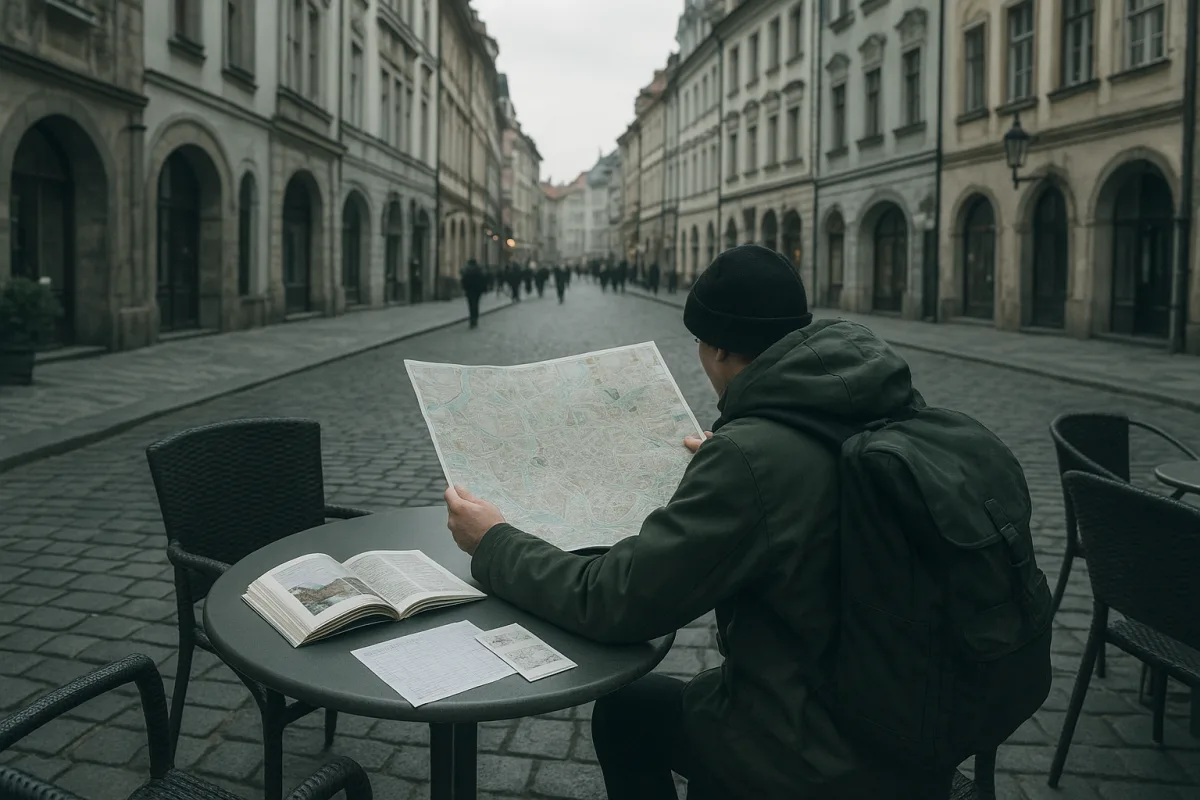
Start with the budget, not the postcard itinerary
These three destinations look comparable on a map of European city breaks, but they require noticeably different spending plans. Florence is the expensive one, particularly if you want central accommodation, museum tickets and restaurant meals rather than a quick sandwich diet. [6]
For a mid-range Florence trip, allow €80 to €150 for accommodation, €50 to €80 for food, €40 to €60 for activities and €5 to €10 for local transport. That produces a realistic daily range of about €175 to €300. [6]
Krakow is materially cheaper on the same style of trip. The research estimate is about €85 for accommodation, €27 for food, €16 for activities and €10 for transport, or roughly €138 per day. [6]
Montenegro has a wider spread because coastal high season and inland travel are different propositions. Budget €70 to €120 for a room, €20 to €35 for food, €15 to €25 for activities averaged across a stay, and €10 to €20 for transport. [2][3]
That puts Montenegro at approximately €115 to €200 a day, rather than automatically making it a bargain Balkan stop. Kotor, especially inside the walls in summer, is not priced like a low-cost alternative to Italy. [2][3][Wolters World]
Book the bottlenecks before booking restaurant lists
Florence rewards advance planning more than spontaneous wandering. The Accademia Gallery, where Michelangelo’s original David is displayed, and the Uffizi Gallery, home to Botticelli’s Birth of Venus, are the two bookings to settle first. [6][Wolters World]
The counterintuitive detail is that booking early does not always mean paying less. The Uffizi’s standard ticket is €25 on the day but €29 in advance, while Accademia admission is €20 at the ticket office or €24 online or by phone. [6]
Those extra costs buy a timed entry and can save a long wait, particularly in high season. Check the official gallery sites shortly before travel because ticket rules and time slots can change, but do not assume every third-party seller offers better value. [6]
Reduced tickets are €2 for EU visitors aged 18 to 25 at both galleries, while visitors under 18 enter free. Florence’s afternoon Uffizi tickets can also be cheaper, which can be useful if your priority is seeing the collection rather than arriving at opening. [6]
Krakow has a similar booking problem, though its headline attractions are less expensive. Happy to Wander notes that entry to the Rynek Underground museum is capped by timed slot, so reserve rather than arriving after lunch and hoping. [Happy to Wander]
At Wawel Castle, do not assume one ticket covers every space. The grounds are free, but the state rooms, royal apartments, Crown Treasury and underground exhibitions use separate admissions or combinations, so decide what you actually want before paying. [Happy to Wander]
Arrive with a scam plan, not just a map
Florence’s most practical safety issue is petty theft in busy visitor corridors, around stations and in crowds. Keep a phone and wallet in zipped pockets or a closed cross-body bag, and do not leave valuables on an outdoor restaurant table. [1]
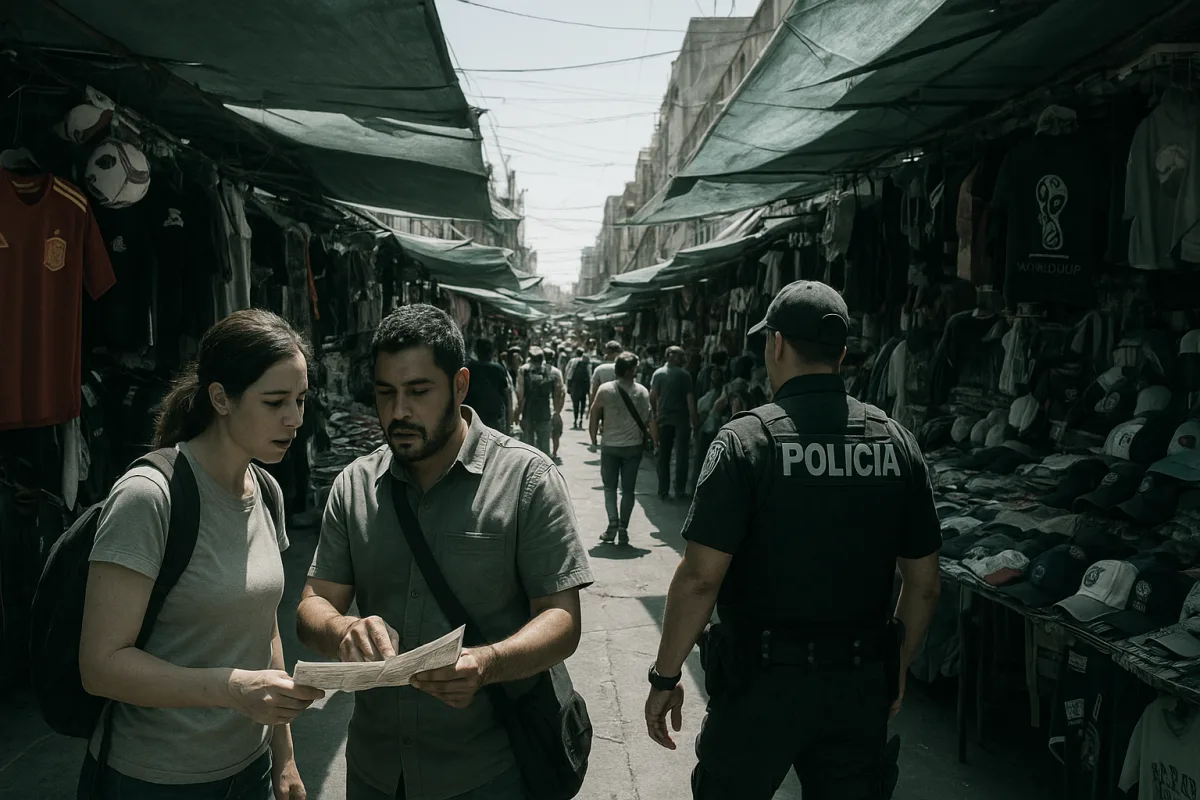
Be wary of anyone who claims to be police and asks to inspect cash, cards or valuables. A legitimate officer can be verified, while handing over a wallet during an informal street interaction creates an easy opening for theft. [1]
Restaurant overcharging is another Florence problem worth handling before you sit down. Check the menu prices, cover charge and any bread or service fees, then keep the bill until you have reviewed it rather than paying hurriedly at a tourist-heavy terrace. [1]
The leather stalls near Florence’s markets are part of the experience, but Wolters World cautions against treating every bag as an authentic luxury product. Buy a souvenir if you like it and the price works, not because a seller claims it is designer-quality leather. [Wolters World]
Kotor requires a more deliberate version of the same approach. Use official or licensed guides, agree the taxi fare or insist on the meter before departure, and ask restaurants to clarify prices when a tout has drawn you inside. [2][3]
The research does not establish a precise, 2026-specific list of Krakow scams. That means it is better to use ordinary safeguards, such as agreeing a fare where relevant and checking a bill, than repeating dramatic warnings unsupported by current evidence.
Florence: do not confuse the free cathedral with the paid experience
Florence’s Duomo is easy to misunderstand because entering the cathedral itself is free. If someone outside offers to sell you a ticket solely to get into the main church, walk away and join the ordinary entry line instead. [Wolters World]
What the free visit does not replace is the wider cathedral complex. The dome interior, baptistery, bell tower and other elements require their own planning, and the city makes more sense if you allow time for them rather than treating the façade as a photo stop. [Wolters World]
Museum security checks are normal in Florence. Bring a small day bag, expect metal detectors and avoid arriving with large luggage, which can be restricted or inconvenient at major cultural sites and the cathedral complex. [Wolters World]
For food, check whether a Florentine steak price is listed by kilogram before ordering. Wolters World highlights that a steak can exceed one kilogram, so the advertised number is not necessarily the final cost for a table’s main course. [Wolters World]
A cheaper, useful Florence lunch is a porchetta sandwich from Mercato Centrale, while pasta with wild-boar ragù and bean dishes are more locally grounded choices than generic tourist-menu pizza. For wine, ask for the house wine, or vino della casa. [Wolters World]
Do reserve dinner in busy periods, and notice the local timetable. Wolters World reports that many restaurants close between roughly 2:30pm and 7:30pm, so a late-afternoon hunger gap is common if you have not planned for it. [Wolters World]
Krakow: look past the square before it fills up
Start in Rynek Główny, Krakow’s main market square, early in the day. The square measures about 200 metres by 200 metres and contains the Cloth Hall, St Mary’s Basilica and several museums, so it is an efficient first orientation. [Happy to Wander]
The guidebook-style mistake is assuming the square’s souvenir stalls are the shopping highlight. Happy to Wander describes the Cloth Hall’s merchandise as largely tourist souvenirs and toys, and notes that it becomes particularly busy in the afternoon. [Happy to Wander]
Instead of spending all day on Floriańska Street, turn onto parallel Szpitalna Street for the Juliusz Słowacki Theatre, then continue to Szczepański Square for a quieter café stop. This is a simple route adjustment, not an expensive detour. [Happy to Wander]
Use Planty, the green ring that replaced Krakow’s old defensive walls, as a break between the Old Town and Wawel Hill. It is more useful than trying to pack every museum into one morning, especially when travelling with children. [Happy to Wander]
If you want a viewpoint, St Mary’s Bugle Tower involves 239 steps in warmer months, while the Town Hall Tower requires 110 steps. Choose based on your knees and schedule, rather than paying for both simply because they are nearby. [Happy to Wander]
Kotor: plan around ships, stone and local life
Kotor’s cruise schedule changes the practical rhythm of a visit. August 2026 is expected to bring 73 ships and 130,041 passengers, followed by 66 ships and 122,388 passengers in September. [5]
Get into the Old Town early, or explore in the evening after day-trippers have left. Wolters World makes this point plainly: the same lanes are far easier to walk before cruise groups arrive than at the busiest midday period. [Wolters World]
Cruise tourism brings business, but it is not an uncomplicated benefit for residents. A 2025 survey reported predominantly negative local attitudes, citing crowding, infrastructure pressure, rising living-cost perceptions and limited benefits reaching locals. [5]
That is a reason to behave differently, not just complain about crowds. Keep noise moderate in the Old Town, avoid blocking narrow entrances for photos, and do not treat residential stairways or doorsteps as private viewing platforms. [4]
Book inside the walls early if that setting matters, but ask exactly how many steps lead to the room, whether there is a lift, and where a taxi can drop you. Historic buildings often mean small rooms and awkward access. [Wolters World]
Pack shoes with grip rather than heels or smooth-soled sandals. Kotor’s polished and uneven stone can be slippery, especially on steps and on the climb toward the fortress, while large suitcases are inconvenient in narrow lanes. [Wolters World]
Montenegrin etiquette goes beyond learning a greeting. A simple “dobar dan” for good day and “hvala” for thank you are useful, but accepting offered hospitality graciously and dressing modestly at religious sites matter more than perfect pronunciation. [4][Wolters World]
For meals, seafood is the obvious coastal choice, but look for Njeguški pršut, the local cured ham, and cheese rather than assuming every restaurant is serving representative Montenegrin food. Tourist-oriented menus often lean heavily toward burgers, pizza and club sandwiches. [Wolters World]
Tip around 10 to 15 percent in restaurants when service warrants it, and leave a small taxi tip if appropriate. Keep receipts at Kotor restaurants until the final bill, since Wolters World reports that separate items may be printed as you order. [4][Wolters World]
Finally, do not feed Kotor’s famous street cats simply because they make a good photograph. Wolters World notes that they are generally cared for, and feeding one can quickly attract many more around diners and visitors.
Frequently Asked Questions
What are the key dos and don'ts when visiting European cities?
Do plan ahead for popular museums, such as booking timed tickets for Florence’s Accademia and Uffizi galleries to avoid long waits. In Kotor, use licensed taxis and guides, confirm restaurant prices before ordering, and dress modestly in religious sites. Don’t carry valuables in easily accessible pockets or leave them unattended in busy areas, and avoid unlicensed services.
How can I avoid common scams in European cities?
In Florence, watch out for pickpockets in crowded areas and beware of people pretending to be police asking to inspect your valuables. In Kotor, avoid unlicensed guides and insist on taxi meters to prevent overcharging. Always verify official credentials and confirm prices upfront to reduce the risk of scams.
What budget tips help when traveling in European cities?
Daily budgets vary widely: Florence is the most expensive with €175 to €300 per day, Krakow is cheaper at about €138, and Montenegro ranges from €115 to €200. Allocate your budget with accommodation, food, activities, and transport costs in mind—for example, Florence accommodation can cost €80–150 per night, while food and activities add significantly to expenses.
How should I plan museum visits in popular European cities?
Advance booking is recommended for Florence’s Accademia and Uffizi galleries to secure timed entry and avoid queues, especially in high season. Note that advance tickets for the Uffizi cost more (€29) than buying on the day (€25), while Accademia charges a €4 booking fee online. In Krakow, reserve timed tickets for attractions like the Rynek Underground museum to ensure entry.
How we researched this
This article was assembled from 3 video sources across 2 channels, 6 cited references.
Nothing here is based on hands-on testing. Where a figure or finding appears, it belongs to the source cited beside it, and the writing says so rather than implying otherwise. Every source is listed below so you can check it.
Sources
The Do’s & Don’ts of Visiting Florence, Italy 🇮🇹 — Wolters World
BEST THINGS TO DO IN KRAKOW FOR FIRST TIMERS W/ MAP | 16 Must-Dos, Hidden Gems & More! — Happy to Wander (Travel Tips & Inspo)
The Do’s & Don’ts of Visiting Montenegro 🇲🇪 — Wolters World
Montenegro Travel Guide 2026: Kotor, Durmitor & the Coast | Atlas Guide
Kotor overtourism — saturation, taxes, restrictions | crowddodger
Watch Travel Tips and Do’s & Don’ts for European Cities on Youtube
Also from the sources
Related Articles
Travel Guides for European Cities: Tips, Budgets & Logistics
Get practical travel guides for European cities with tips on budgets, accommodations, transport, and sightseeing for Edinburgh, Kraków, Provence, and more.
Essential Travel Tips for Europe: Save Time and Money
Discover essential travel tips for Europe, including car rentals and entry requirements, to save time and money on your trip.
Mexico City Travel Safety Tips and Warnings for Tourists
Get essential Mexico City travel safety tips, neighborhood advice, and warnings to help tourists navigate the city safely in 2026.
Tepito Travel Safety: Avoid Scams and Stay Secure in 2026
Learn Tepito travel safety tips, how to avoid scams, and navigate Mexico City's market risks for a safer visit in 2026.