
Travel Challenges in Remote Locations
Explore travel challenges in remote locations with tips on logistics, borders, budgets, and weather for self-supported adventure trips.
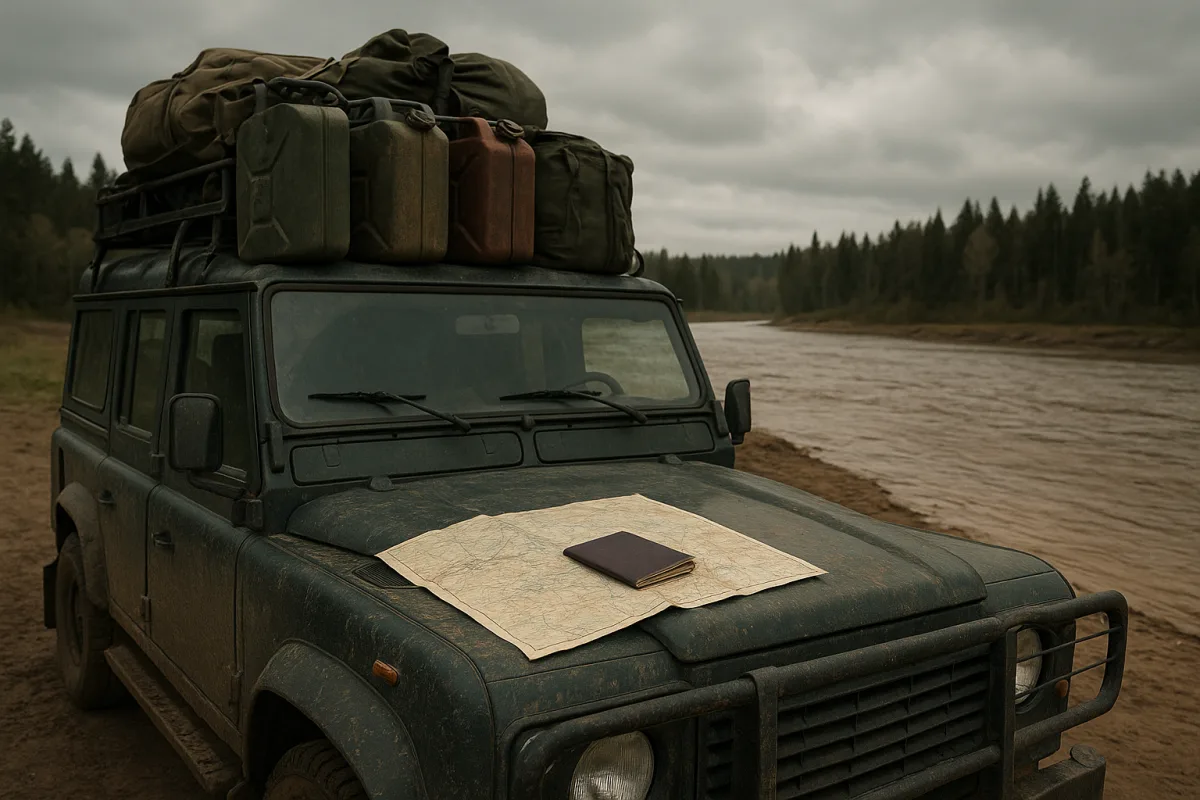
The shift is toward harder, self-managed travel
Adventure travel is moving away from the neat bucket-list itinerary and toward trips where transport, permits, fuel, weather and border rules are part of the experience. The evidence is clearer in travel media than in participation data.
Four recent creator projects point in the same direction. Drew Binsky’s trip to Gambell, Alaska, Kara and Nate’s unsupported Mongol Rally attempt, and Lost LeBlanc’s motorcycle crossing through Zimbabwe all make uncertainty central rather than incidental.
That does not prove that large numbers of travellers are abandoning mainstream destinations. There is no strong, comparable dataset here showing a surge in remote-trip bookings. What it does show is a shift in what travel audiences reward.
The popular version of “adventure” now looks less like a packaged glacier walk and more like figuring out whether a small aircraft can leave Nome, whether a land border will accept your documents, or whether the next fuel station has fuel.
Why the self-supported trip is appealing now
The appeal is partly a reaction to frictionless travel content. Cheap city breaks, familiar resort routes and algorithm-tested viewpoints remain popular, but they have become visually repetitive. An overland route with real constraints gives a story a conventional itinerary cannot.
The other driver is accessibility of planning tools. Offline navigation, satellite internet, digital banking, vehicle forums and online visa information make complex independent travel more feasible for people willing to research, even where the result is still unpredictable.
Yet better tools can create false confidence. A map can suggest a route through Zimbabwe, but it cannot ensure a road is passable after rain, a filling station has stock, or a border guard accepts an explanation that sounded sufficient online.
Kara and Nate’s Mongol Rally project demonstrates this tension. Their group shipped a retired Colorado school bus to Europe and began an unsupported six-week attempt toward Kazakhstan, with no official route and no assistance between the start and finish gatherings.
That format has a particular appeal because it turns planning failures into part of the narrative. The group openly began with limited diesel-engine knowledge and few spare parts, which is compelling viewing but a poor model for copying without adjustment.
For an independent traveller, the useful lesson is not “be spontaneous.” It is that challenging routes require an honest division between what can be improvised and what cannot. Border documents, fuel capacity, vehicle condition and recovery plans belong in the second category.
Borders are becoming a bigger part of the itinerary
The Moldova episode is especially useful because it punctures the assumption that a European border is merely a queue. Kara and Nate’s group was denied entry while trying to take their large American bus from Romania into Moldova.
A single filmed refusal does not establish that Moldova is broadly difficult to enter. It does, however, fit a wider 2026 reality: border procedures across Europe are becoming more formalised, particularly for travellers who are not EU citizens.
Moldovan Border Police guidance says entry depends on valid travel documents and supporting evidence appropriate to the visit, which can include hotel bookings, business invitations or proof of study. A convincing plan matters alongside a passport.
The EU’s Entry/Exit System rollout also matters. Between October 2025 and March 2026, biometric collection was extended across multiple land and rail crossing points for non-EU short-term visitors, adding another procedural step to border travel.
That is not a Moldova-only rule, and it does not mean every traveller will be turned away. It does mean that an overland schedule built around quick crossings has less room for error than it did when a stamp was the main task.
Moldovan authorities list serious grounds for refusal, including entry bans, previous overstays, false information, criminal history and terrorism links. The practical point is simpler: do not present an improvised explanation for a complicated vehicle, route or purpose.
Travellers driving a non-standard vehicle should carry registration papers, insurance documents valid for each country, a clear accommodation plan and evidence of onward travel. A large converted bus attracts more questions than a rental car, even when everything is legitimate.
The trend therefore favours travellers who see borders as appointments, not scenery. Check the current rules shortly before departure, allow a full day around major crossings, and retain enough fuel and money to retreat if the answer is no.
The real price of a rolling adventure
The school-bus rally also exposes a gap between the appealing image of a group overland trip and its actual budget. A retired school bus can cost US$3,500 to US$11,000 before any conversion work begins.
Industry and enthusiast estimates cited in the research brief put conversion costs at US$10,000 to US$40,000. Those figures do not automatically include international shipping, land-based storage, registration changes, insurance, visas, fuel or the costs of crossing several borders.
For buses aged 11 to 15 years, annual maintenance averages roughly US$6,500 to US$9,000, while maintenance is estimated around US$1.20 per mile. Those are general ownership figures, not proven rally-specific costs, but they are a useful warning.
A group can divide fuel and accommodation bills, but it also creates coordination costs. Nine people in one bus need sleeping arrangements, drinking water, toilet plans, baggage limits, driving insurance, communication and agreement about when to stop.
The practical alternative for many travellers is smaller and less cinematic: two people in a locally rented four-wheel-drive vehicle, or a motorcycle route with scheduled maintenance stops. It is easier to park, easier to recover and easier to turn around.
That does not make a bus project impossible. It means the vehicle should suit the route, rather than the film concept. A bus is useful for a large group carrying camping equipment, but it is expensive and restrictive at narrow roads and border posts.
Remote Alaska is not an extreme-tourism playground
Drew Binsky’s Gambell reporting offers a different version of the same trend. Gambell sits on St. Lawrence Island in the Bering Sea, around 30 miles from Russia at its nearest visible point, with no road link to mainland Alaska.
The first challenge is simply getting there. The journey shown begins in Nome and depends on a small-aircraft flight, where weather is decisive. Fog and overcast can prevent departure, a risk that cannot be solved with better packing.
There is no reliable 2026 delay-rate dataset specific to Gambell. US Department of Transportation reporting records Alaska Airlines with a 78 percent on-time arrival rate in June 2026, matching the national average, but that figure should not be applied to Gambell flights. [1]
Small-aircraft access, weather exposure and limited infrastructure make Gambell more variable than a standard airport route. Anyone booking should contact the carrier directly, check current conditions and avoid placing an expensive non-refundable connection immediately after the return flight.
The video’s most striking scenes involve Yupik subsistence food systems, including walrus, bowhead whale and polar bear meat. That material should not be read as an invitation for visitors to seek a similar hunting experience.
Under the Marine Mammal Protection Act and Alaska Department of Fish and Game rules, walrus may be hunted for subsistence and handicraft purposes only by Alaska Natives. Non-Native visitors cannot legally hunt walrus, and wildlife should not be disturbed.
This is where remote travel can become ethically clumsy. A visitor may be welcomed into a household or invited to learn about local food, but that does not make cultural practices a purchasable activity or erase the legal limits around them.
Gambell is best approached as a community with its own systems, not as “America’s most remote town” to be consumed in a weekend. Bring flexible dates, ask before photographing food or hunting equipment, and expect supplies to cost more.
Drew Binsky’s local contact mentions paying about US$300 in shipping for US$250 worth of ammunition components, and receiving some Amazon orders after roughly three weeks. That is anecdotal, but it illustrates the freight premium of a roadless settlement.
Africa overland travel is fuel management, not just mileage
Lost LeBlanc’s Zimbabwe motorcycle segment makes the strongest case for abandoning optimistic daily distances. The route from Victoria Falls toward Matobo National Park involved potholes, detours, rain, fading daylight and uncertainty over whether fuel stations had stock.
The riders were told to expect an eight- to nine-hour day, then found road closures and rough sections extending the journey. Google Maps can calculate distance, but it cannot accurately price in flooded surfaces, livestock, trucks, washouts or a closed pump.
Zimbabwe’s official fuel price is not the uncertainty. As of August 31, 2026, the regulated E20 petrol price was US$1.96 per litre, while D50 diesel was US$1.95 per litre. [2] Availability outside urban areas is the more important variable.
Fuel is generally available in Zimbabwe’s towns, according to the 2026 driving guidance, but supply can be inconsistent in remote areas and near national parks. [2] Fill up earlier than feels necessary and carry an approved fuel container where legal and safe.
Cash remains part of the plan. Reports on Zimbabwe and Angola both caution that card payments are not universally dependable, while US dollars are often needed for road expenses and fuel. [2] [3] Keep small notes separate from your main funds.
Angola is one useful counterpoint. The Angola overland logistics guide reports diesel as widely available, including in smaller towns, but that does not justify assuming the same pattern across southern or central Africa. [3] Conditions differ sharply by country and region.
The better planning metric is not kilometres per day. It is the number of non-negotiable resources between you and a safe overnight stop: fuel, water, daylight, tyre repair, food, mobile signal and a place where a breakdown will not become dangerous.
For a motorcycle route, establish a personal no-go time before sunset. Lost LeBlanc’s footage becomes markedly riskier when rain, mud, truck lights and dwindling fuel overlap. That is not the moment to press on for a booking.
What this means for planning an unusual trip
The emerging travel ideal is not risk for its own sake. It is competence under uncertainty. The most satisfying remote projects tend to have a clear objective, a flexible schedule and enough budget to choose the safer option.
Build a contingency fund that is separate from your daily spending. It should cover an unplanned hotel, a return drive from a refused border, extra fuel, a replacement tyre, a weather delay or an additional flight night.
Use a three-layer route plan. The first is the intended route, the second is a legal and practical detour, and the third is the exit plan if weather, paperwork, health or vehicle condition makes continuing unreasonable.
Finally, distinguish between a difficult destination and a community’s daily life. Gambell’s transport constraints and subsistence culture are not adventure props. Moldova’s border rules are not a game. Zimbabwe’s broken roads are not a challenge to be “beaten.”
That distinction is likely to define the better kind of adventure travel as this trend develops. The trip still has uncertainty, but the traveller arrives prepared to absorb it without asking residents, officials or fragile places to carry the consequences.
Frequently Asked Questions
What are the main challenges of traveling in remote locations?
Travel in remote areas often involves managing complex logistics such as carrying extra fuel, cash, offline maps, and repair tools. Weather delays, border procedures, and unpredictable fuel availability can disrupt plans, requiring flexibility and spare time in itineraries. Vehicle maintenance and legal restrictions, such as hunting laws in Alaska, also add to the challenges.
How can I prepare for self-supported travel in unusual destinations?
Preparation should focus on distinguishing what can be improvised from what cannot, such as border documents, fuel capacity, vehicle condition, and recovery plans. Research current border rules, carry supporting evidence for entry, and ensure you have sufficient spare parts and repair knowledge. Using offline navigation and satellite internet can aid planning, but expect some unpredictability.
What logistics should I consider for remote adventure trips?
Key logistics include carrying a fuel margin, sufficient cash, offline maps, vehicle repair capacity, and allowing at least one spare day for weather or border delays. For group travel, coordinate sleeping arrangements, water, toilets, baggage limits, insurance, and communication. Vehicle ownership costs and maintenance should also be factored into budgets.
How do border procedures affect travel in remote areas?
Borders, especially in Europe, have become more formalized with biometric data collection for non-EU visitors and require valid travel documents plus supporting evidence like accommodation or onward travel proof. Large or unusual vehicles attract more scrutiny, so travelers should allow extra time, check current rules before departure, and be prepared for possible refusals based on strict criteria.
What are the real costs of overland travel in remote regions?
Beyond the purchase price of a vehicle like a retired school bus ($3,500 to $11,000), conversion costs range from $10,000 to $40,000. Annual maintenance for older buses averages $6,500 to $9,000, with about $1.20 per mile in upkeep. Additional expenses include international shipping, insurance, visas, fuel, and border crossing fees, which can collectively exceed the initial vehicle cost.
How we researched this
This article was assembled from 4 video sources across 3 channels, 3 cited references.
Nothing here is based on hands-on testing. Where a figure or finding appears, it belongs to the source cited beside it, and the writing says so rather than implying otherwise. Every source is listed below so you can check it.
Sources
I Went To America's Most Remote Town (Gambell, Alaska) — Drew Binsky
First 72 Hours of the Mongol Rally! (Ep. 1) — Kara and Nate
This Was The Moment It All Went Very Wrong | Crossing Africa — Lost LeBlanc
Denied Entry at The Moldova Border (Mongol Rally Ep. 2) — Kara and Nate
Air Travel Consumer Reports for 2026 | US Department of Transportation
Watch Travel Challenges and Adventures in Remote and Unusual Locations on Youtube
Also from the sources
Related Articles
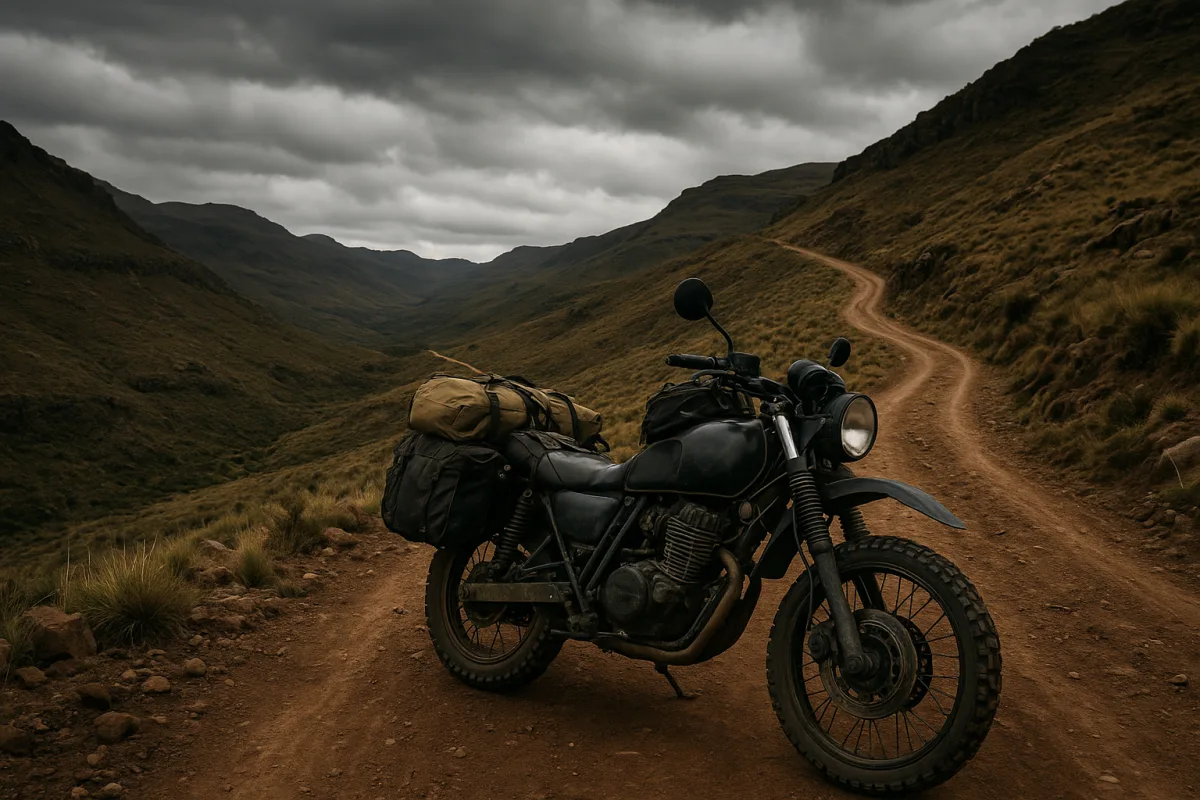
Lesotho Motorcycle Travel Challenges and Safety Tips
Explore Lesotho motorcycle travel challenges, safety tips, and planning advice for remote routes and budgets in Africa's highlands.
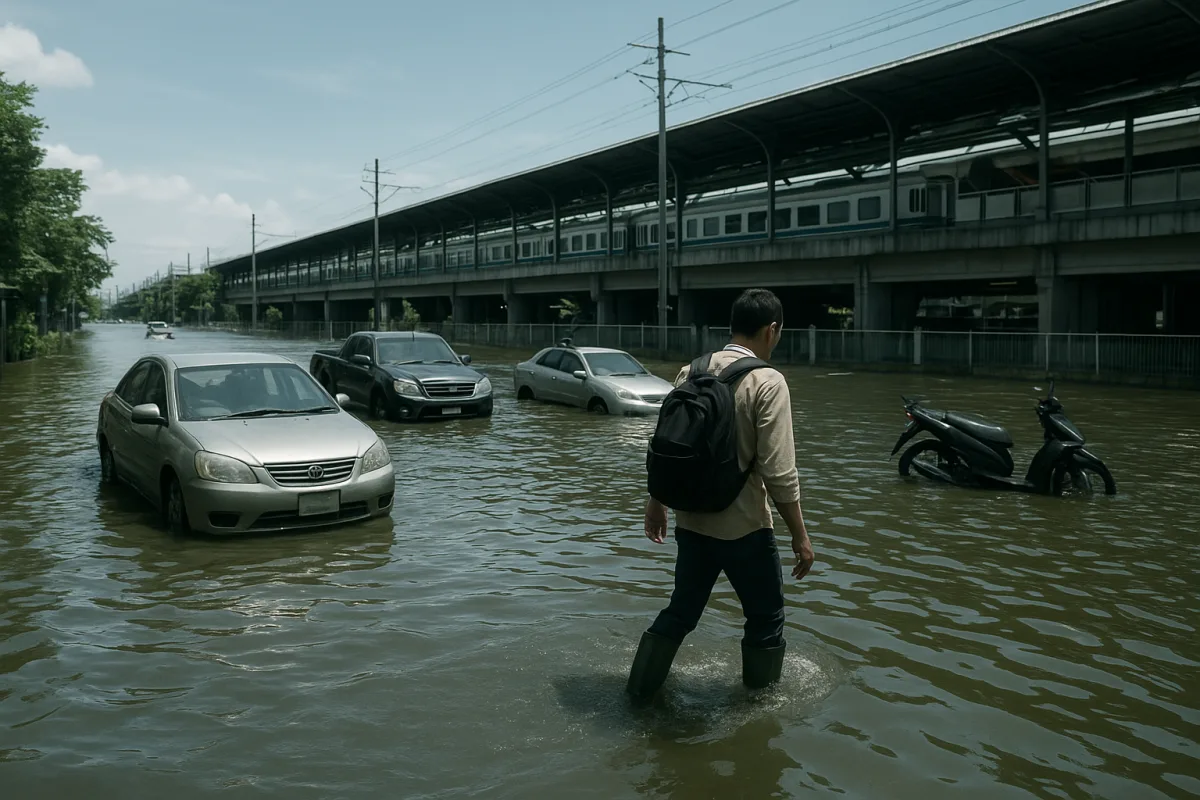
Travel Challenges and Delays in Asia
Discover key travel challenges and delays in Asia, including Bangkok floods and border issues, with tips to navigate disruptions effectively.
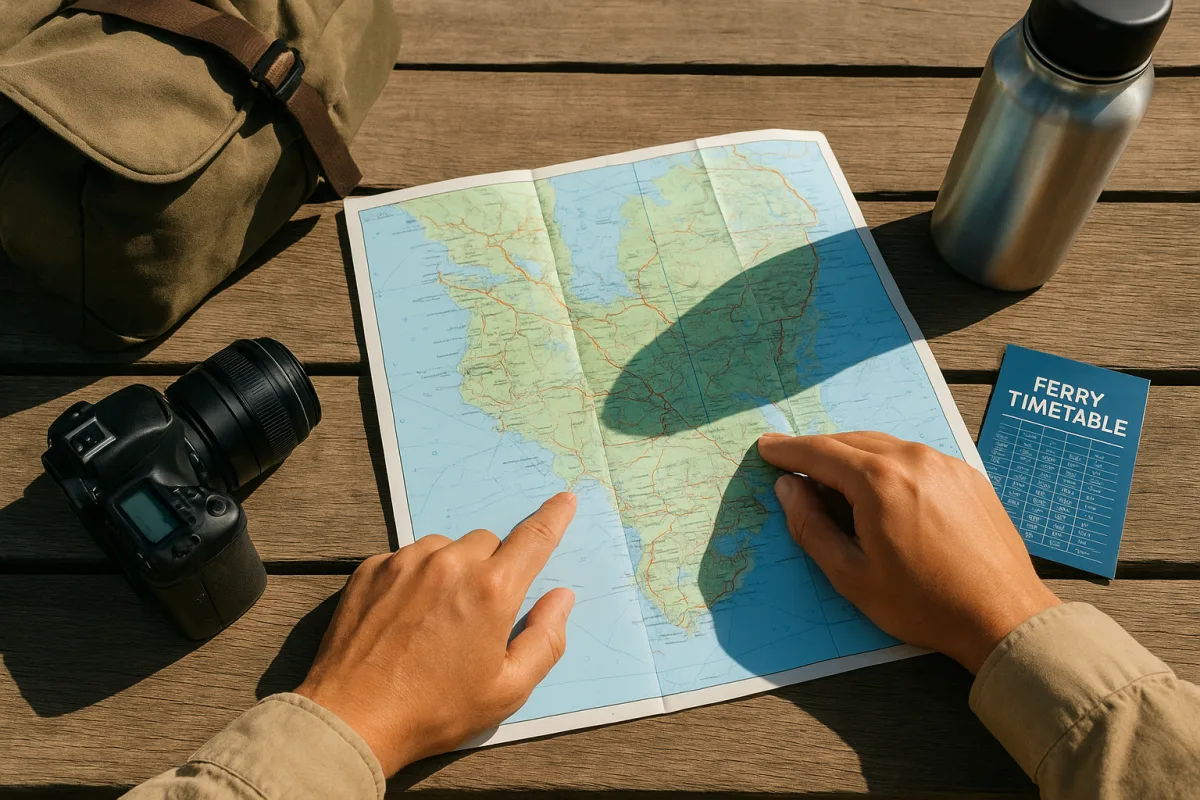
Underrated Travel Destinations Logistics and Budget Tips
Explore underrated travel destinations in 2026 with practical logistics, budget advice, and transport tips for a smooth trip.
Underrated Travel Destinations 2026
Explore underrated travel destinations in 2026 with tips on logistics, budgeting, and getting around for a smoother off-the-beaten-path trip.