
Thailand Tourism 2027 Strategy and New Attractions Overview
Explore Thailand's 2027 tourism strategy, new Bangkok attractions, and premium Ayutthaya tours for meaningful travel experiences.
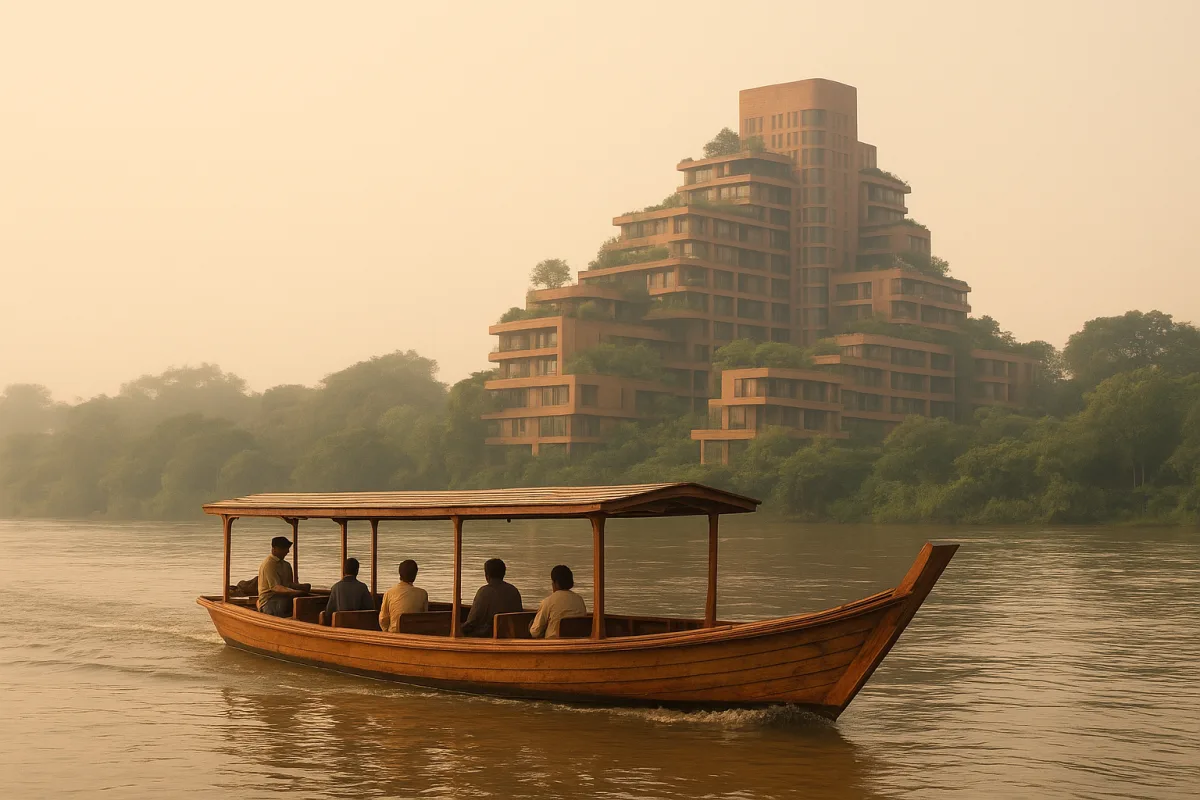
The shift is real, but it is not a retreat from tourism
Thailand’s tourism direction is shifting from straightforward mass-market growth toward higher-spending, more dispersed and supposedly lower-impact travel. That is the policy language, at least, and the clearest evidence is that several parts of the industry are now selling different versions of the same idea.
The Tourism Authority of Thailand’s 2027 programme, branded “The Year of Transformation”, targets THB2.8 trillion to THB2.9 trillion in tourism revenue, around 5 percent growth over 2026. It also sets a target of 33 million foreign arrivals and 203 million domestic trips. [3]
Those are still large volume targets. The change is not that Thailand wants fewer visitors in any simple sense. It is that the official strategy increasingly treats visitor value, geographical distribution and experience categories as measures that matter alongside headline arrival numbers.
The government’s Thailand.go.th tourism platform describes the objective as becoming Asia’s leading “high-value and meaningful” destination. Its stated growth areas include creative culture, health and wellness, sustainability, innovation and data-led tourism management. [5]
Nation Thailand reports the strategy’s desired 60:40 split between visits to major destinations and emerging destinations. [3] That ratio matters to travellers because it suggests Bangkok, Phuket and Chiang Mai will remain central, but officials want itineraries to stretch beyond them.
Private-sector offerings mirror that policy direction, though not always for environmental reasons. A polished suburban retail-and-residential attraction outside Bangkok and a high-priced private river journey to Ayutthaya are both attempts to make the trip itself, and not only the landmark, worth paying for.
Bangkok’s new attraction model is bigger than a mall
Happitat at The Forestias, near Mega Bangna on Bang Na-Trat Road, is the most concrete example in the supplied reporting of Bangkok’s evolving attraction mix. KAOHOON International, cited in the research brief, confirms that the complex officially opened on 21 August 2026.
Global Travel Mate’s walk-through presents Happitat as part shopping centre, part landscaped public realm, with restaurant zones, themed interiors, a playground, water features and connections toward residential and office components. That is a different proposition from spending an afternoon in a conventional central Bangkok mall.
The setting is significant. This is not an attraction beside a BTS station in Siam or Sukhumvit, where a visitor can combine it easily with museums, street food and hotels. It sits in the eastern suburban development belt, close to Mega Bangna and the Bang Na-Trat Highway.
Global Travel Mate reports a free shuttle from Cloud 11 near Punnawithi and Udom Suk stations, though the filming party took a taxi from Udom Suk instead. That is useful as a transport lead, not a guarantee: shuttle routes, timings and access rules need checking locally.
The important practical warning is that Happitat is new enough that the basics are not yet transparent. The research brief found no publicly available operating hours and no reliable post-opening figure for the proportion of retail space currently occupied.
That supports what Global Travel Mate saw during its opening-weekend visit: many shops and restaurants were not yet trading. The channel found the park and themed spaces interesting, but it should not be read as evidence that the retail offer is complete.
For a Bangkok itinerary, Happitat therefore suits travellers already staying east of central Bangkok, families looking for a covered-and-outdoor outing, or people interested in new urban developments. It is a weak substitute for central sightseeing if time is limited to two or three days.
There is also a boundary worth understanding. Global Travel Mate found that some elevated walkways and residential facilities required a resident card. The project includes publicly oriented spaces, but it is not a wholly open park in the way that Bangkok’s Lumpini Park is.
The guidebook-style mistake would be to list Happitat as Bangkok’s next essential mall without qualification. Its value is more specific: it shows developers building destinations where shopping, events, housing, greenery and leisure are designed to work as one commercial ecosystem.
Ayutthaya by speedboat is the premium version of “meaningful travel”
Ayutthaya is roughly 80 kilometres north of Bangkok, and it has long been a standard day trip. The newer angle is not the destination itself but the transport, especially private boat itineraries that turn the Chao Phraya River into part of the day.
Global Travel Mate joined Bangkok River Tours on a speedboat journey from the Bangkok area to Ayutthaya. The route included a stop at Bang Pa-In, followed by local sightseeing and a bicycle segment in Ayutthaya with Thailand Biking.
Bangkok River Tours lists its private trip at THB18,500 per group of up to five guests, running from 8:30am to 6:30pm. The quoted package includes a captain, English-speaking guide, tuk-tuk ride and soft drinks. [2]
At five people, that works out at THB3,700 each before lunch, tips and transport to the departure point. For a couple, it becomes THB9,250 per person, which makes it a splurge rather than a sensible default Ayutthaya transfer.
The appeal is clear enough. Global Travel Mate reports around 90 minutes by speedboat and uses the journey to stop at Bang Pa-In, where the group crossed by cable car and visited a former Portuguese church now functioning as a Thai temple.
But this was also promotional-adjacent reporting. The channel identifies Bangkok River Tours’ operator as a friend and offers viewers a 5 percent booking discount. That does not make the route invalid, but it does mean travellers should compare it as a commercial product.
The cheaper market is broad. Budget Decoded lists guided Ayutthaya temple and river-cruise trips from THB856, approximately US$25.70, per person. [2] That is a radically different experience from a full-day private speedboat, but it establishes the budget floor.
For a slower water-based option, Trip Canvas lists a 4.5-hour Ayutthaya slow-boat excursion with a meal at US$92 per person. [1] Budget Decoded also identifies another slow-boat option at around US$88, while a Thai package cited in the research brief costs THB3,200 per person.
These alternatives are not interchangeable. A shared coach-and-cruise day prioritises price, while a slow boat prioritises time on the river. The Bangkok River Tours option suits a group that wants control over the schedule and is willing to pay for a private vessel.
For independent travellers, the practical calculation is simple. Pick the THB18,500 speedboat only if your group is close to capacity and the river journey is central to the trip. Otherwise, keep the savings for an extra Bangkok night, a better hotel, or another destination.
Why this is happening now
Thailand’s new strategy arrives after years in which tourism recovery was often discussed in arrival numbers. The 2027 framework instead emphasizes diversified source markets, including Eastern Europe and Latin America, plus wellness, culture and “healing” experiences. [3][5]
That language responds to a real planning problem. Heavy concentration in a few famous places can overwhelm infrastructure and leave little spending in secondary towns. A 2016 academic assessment of Ayutthaya Historical Park identified concerns about uneven local benefits and environmental and social effects from tourism development policy. [4]
Ayutthaya is a useful test case because it is both globally recognisable and easy to consume quickly. Most visitors arrive for ruins, the Buddha head at Wat Mahathat and perhaps Wat Phra Si Sanphet, then return to Bangkok before evening.
A river transfer, cycling segment or local meal adds time and spending around the historical park. That is broadly consistent with the national strategy’s preference for deeper experiences, though a premium itinerary is not automatically more sustainable or more beneficial to local residents.
The evidence is thin on the environmental effect of speedboat tourism specifically. No 2026 data in the research brief directly connects increased speedboat trips to pollution, bank erosion or disruption on the Chao Phraya River or around Ayutthaya.
The broader river context should still give travellers pause. Pollution concerns are longstanding, and Thailand has shown it will act against visible misconduct, including a 2025 potential licence suspension involving a cruise operator accused of dumping garbage. [3]
That does not establish that Bangkok River Tours, or speedboats generally, are responsible for any particular damage. It means “river experience” should not be accepted uncritically as a green alternative without evidence on fuel use, waste handling and passenger volumes.
Happitat raises a parallel issue. Greenery, water features and a forest-themed identity make a compelling urban product, but there is no available evidence in the research brief on maintenance costs, accessibility problems or the long-term public value of the site.
What to do with this trend when planning a Thailand trip
Plan around purpose rather than chasing every new attraction. Bangkok’s centre remains the efficient base for first-time visitors, while Happitat is an optional half-day project for those staying near Bang Na, Udom Suk or Suvarnabhumi Airport.
Before travelling there, check Happitat’s current trading hours through its official channels and confirm which tenants are open. The August opening date is firm, but treating opening-weekend footage as a current directory would be a mistake.
For Ayutthaya, decide first whether the destination or the journey matters more. If the temples are the priority, a low-cost shared guided day trip from THB856 can be enough. [2] If the river matters, compare slow boats around US$88 to US$92. [1][2]
Book the private speedboat only after asking what the THB18,500 covers beyond the published captain, guide, tuk-tuk and soft drinks. [2] Confirm lunch, temple admissions, bicycle hire, pickup location, weather cancellation terms and whether the stated group maximum remains five.
The broader implication is useful for longer itineraries. Thailand’s tourism industry is making room for visitors who spend a day on one river route, in one wellness programme or at one suburban mixed-use site, rather than simply collecting famous stops.
That can make a trip more flexible, but it can also make it more expensive. “High value” in a tourism strategy often means higher traveller spending. Use the new experiences selectively, compare shared and private formats, and do not confuse novelty with necessity.
Frequently Asked Questions
What is Thailand's tourism strategy for 2027?
Thailand’s 2027 tourism strategy, called “The Year of Transformation,” targets a 5 percent revenue growth to THB2.8–2.9 trillion with 33 million foreign arrivals and 203 million domestic trips. The focus is on higher spending, spreading visitors beyond major destinations, and promoting “high-value and meaningful” travel experiences, including creative culture, health and wellness, sustainability, and innovation.
What new attractions are opening in Bangkok in 2026?
Happitat at The Forestias, a mixed-use suburban complex near Mega Bangna, officially opened on 21 August 2026. It combines shopping, dining, landscaped public spaces, and residential areas but is still developing, with many shops and restaurants not yet open and no published operating hours or occupancy data available.
How much does a private speedboat tour to Ayutthaya cost?
A private speedboat tour with Bangkok River Tours costs THB18,500 per boat for up to five people. This premium option includes a captain, tuk-tuk ride, English guide, and soft drinks, and is best suited for small groups prioritizing privacy and river access compared to cheaper, more common group tours.
How is Thailand shifting its tourism focus in 2027?
Thailand is shifting from mass tourism volume toward quality-focused growth emphasizing visitor spending, geographic distribution, and meaningful experiences. The strategy promotes emerging destinations alongside established ones, and growth sectors like creative culture, health and wellness, and sustainable tourism, aiming to become Asia’s leading high-value and meaningful destination.
What are the benefits of visiting Happitat at The Forestias?
Happitat offers a unique blend of shopping, dining, and outdoor leisure in a suburban setting, designed as an integrated commercial ecosystem with green spaces and themed interiors. It suits visitors staying in eastern Bangkok or families seeking a mixed indoor-outdoor outing but is not yet a fully developed retail destination or a substitute for central Bangkok sightseeing.
How we researched this
This article was assembled from 2 video sources, 1 published article, 5 cited references.
Nothing here is based on hands-on testing. Where a figure or finding appears, it belongs to the source cited beside it, and the writing says so rather than implying otherwise. Every source is listed below so you can check it.
Sources
Open Now NEW Happitat Forestias Shopping Mall Bangkok 🇹🇭 Thailand — Global Travel Mate
Speedboat Private Tour Bangkok to Ayutthaya Daytrip 🇹🇭 Thailand — Global Travel Mate
Thailand shifts away from mass tourism with new 2027 strategy — Travel Tomorrow
Unique and Scenic Slow Boat Tour from Bangkok to Ayutthaya 4.5 Hr in Bangkok, Thailand - Trip Canvas
TAT sets out 2027 tourism strategy with THB2.9 trillion revenue goal
Thailand Defines The Year of Transformation as Its 2027 Tourism Direction - THAILAND.GO.TH
Watch Thailand Tourism and New Attractions on Youtube
Also from the sources
Related Articles
Arabian Travel Market 2026
Explore key tourism trends, GCC visa updates, and regional travel insights from Arabian Travel Market 2026 for Gulf trip planning.
Culinary Travel Italy and Thailand: Food, Budgets & Tips
Explore culinary travel in Italy and Thailand with regional dishes, budgets, and dining tips for authentic food experiences.
Travel Challenges and Delays in Asia
Discover key travel challenges and delays in Asia, including Bangkok floods and border issues, with tips to navigate disruptions effectively.
Serviced Apartments and Historic Lockhouses
Explore serviced apartments in Bangkok and historic C&O Canal lockhouses for unique family stays with practical tips on costs, amenities, and bookings.