
Cultural Experiences in Bastar India: Bison Horn Maria Tribe
Discover cultural experiences in Bastar, India, and learn how to engage with the Bison Horn Maria tribe authentically.
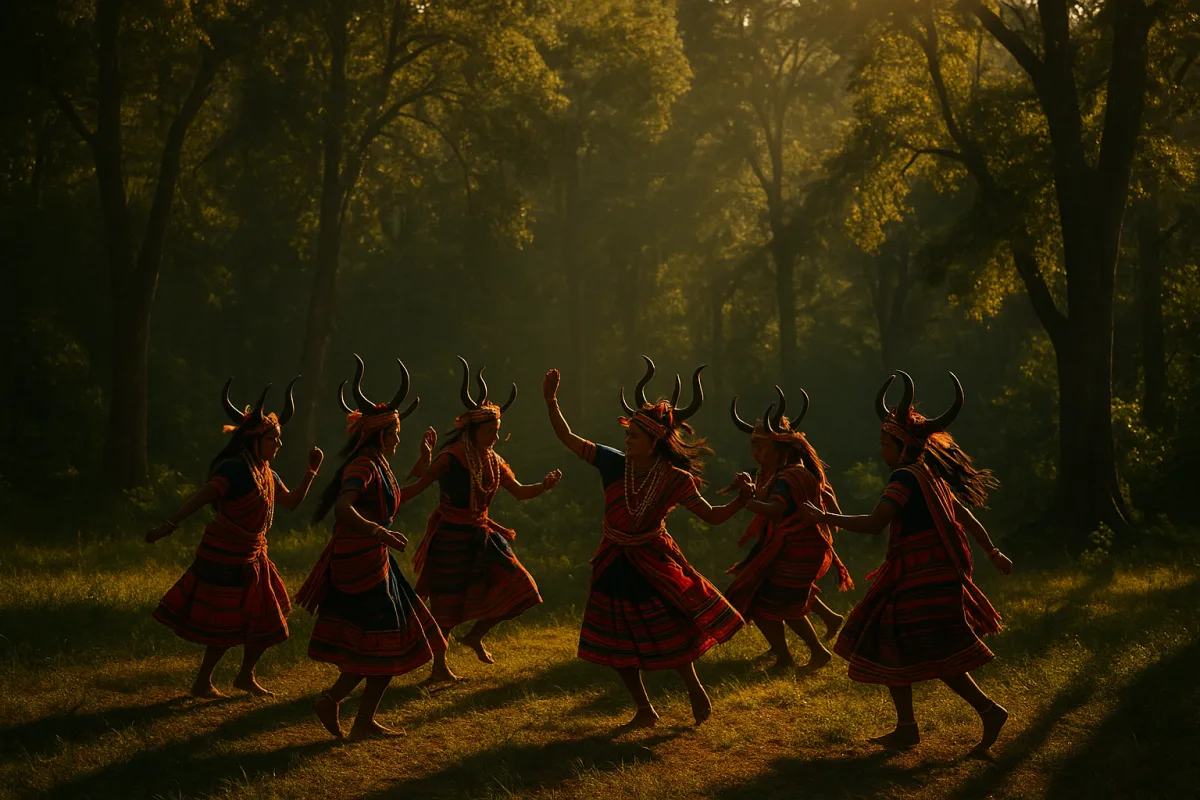
Immersing in the Culture of the Bison Horn Maria Tribe in Bastar, India
Traveling to remote cultural enclaves offers an invaluable glimpse into the rich tapestries of human experience. One such captivating destination is Bastar, a verdant region in the heart of Chhattisgarh, India, home to the Bison Horn Maria tribe. Known for their distinctive horn headdresses and vibrant communal dances, the Bison Horn Maria tribe presents a unique opportunity for travelers eager to immerse themselves in an authentic cultural experience. This article unpacks how to engage with this vibrant community, including practical tips on costs, logistics, and cultural etiquette.
When to Go: Timing Your Visit
When planning a trip to Bastar, timing is crucial. The best time to visit is from October to March, coinciding with the region's dry season. During these months, temperatures are milder, averaging between 18°C to 30°C (65°F to 86°F), making it ideal for outdoor activities and cultural interactions.
Visiting during the festival season, particularly during events like the Bastar Dussehra in October, can enhance your experience. This festival showcases the tribe's cultural heritage through traditional dances, music, and rituals. Hotel prices can vary significantly during the festival, with accommodations in Jagdalpur, the nearest town, costing anywhere from ₹800 to ₹3,000 per night depending on the level of comfort and proximity to the events.
Cost of Cultural Experiences
Engaging with the Bison Horn Maria tribe involves various costs that can vary widely depending on the nature of your experience. While no fixed pricing for cultural interactions is readily available, travelers can expect to pay for local guides, food, and any applicable fees for special activities.
A day spent with the tribe could involve:
- Local Guide: Hiring a guide who speaks the local dialect and can navigate cultural nuances is advisable. Expect to pay around ₹1,500 to ₹2,500 for a full day.
- Food: Meals prepared by the tribe, including their local specialties like chaprah (a chutney made from ants and their eggs), can be included in the day's activities. If you partake in communal meals, budget around ₹200 to ₹400 for a day’s worth of food.
- Travel Costs: Reaching Bastar typically involves a combination of trains and local transport. A train ticket from Raipur to Jagdalpur can cost around ₹300 to ₹500 for a sleeper class, while local transport within Jagdalpur may cost about ₹200 to ₹500 depending on your travel method (rickshaw, taxi, etc.).
Getting There and Around
The journey to Bastar usually begins at Raipur, the capital city of Chhattisgarh. From Raipur, you can take a train or a long-distance bus to Jagdalpur. The train journey is approximately 10-12 hours long, while buses may take around 8-10 hours. Both options offer a glimpse of rural Chhattisgarh, with ticket prices varying based on class and time of booking.
Once in Jagdalpur, local transport options include auto-rickshaws and taxis to reach the tribal areas. However, many travelers opt for guided tours offered by local operators, which can simplify logistics and enhance cultural immersion.
What to Expect: Cultural Interactions
When you arrive in the Bison Horn Maria tribe’s territory, it’s essential to approach their customs with respect and openness. The tribe's social structure revolves around communal living, and visitors are often welcomed with traditional dances and meals.
The tribe is known for their Bison Horn Dance, which is not merely a performance but a deep-seated expression of their identity, spirituality, and history. Be prepared to participate, as communal dancing is a significant aspect of their hospitality. It’s a way to break the ice and connect with the community.
However, be mindful of cultural sensitivities. It’s advisable to ask permission before taking photographs, especially during ceremonies. Respect for traditional attire and practices is imperative, as the tribe's customs are woven into their identity.
Oversold Attractions and Missed Opportunities
Guidebooks often portray the Bison Horn Maria tribe in a romanticized light, focusing heavily on their dances and attire. However, they often overlook the complexities of daily life in Bastar, including the tribe's struggles with modernization and external pressures. Engaging with the tribe offers deeper insights into these issues, such as their agricultural practices and local governance systems.
Moreover, while the dances are a highlight, the daily lives of the tribe members can be just as fascinating. Observing their methods of food preparation, agricultural practices, or even the communal aspects of their living arrangements can provide a more holistic view of their culture.
Conclusion: A Journey Worth Taking
Visiting the Bison Horn Maria tribe is not just about witnessing a unique cultural spectacle; it's about engaging with a community that has thrived for centuries in harmony with nature. By planning your trip during the optimal season, budgeting for cultural experiences, and approaching their customs respectfully, you can foster genuine connections and enrich your travel experience.
In the end, the journey to Bastar is as much about the stories and interactions as it is about the sights. Whether you find yourself dancing under the rain-soaked skies or sharing a meal of lentils and rice with the tribe, the memories you create will resonate long after you've returned home.
Frequently Asked Questions
What should I know before visiting Bastar, India?
Before visiting Bastar, it's essential to plan your trip between October and March when the weather is milder. Familiarize yourself with the local customs and approach the Bison Horn Maria tribe with respect and openness. Additionally, ensure you have the appropriate visa, as travelers must adhere to India's visa requirements.
How to engage with the Bison Horn Maria tribe?
Engagement with the Bison Horn Maria tribe involves hiring a local guide who can navigate cultural nuances and facilitate interactions. Participate in communal activities, such as traditional dances and meals, while being mindful of cultural sensitivities, such as asking for permission before taking photographs.
Sources
24h with the BISON HORN Tribe of India (Rare), Fearless & Far
House tourism panel chief upbeat with Senate promise to pass travel tax abolition bill this year, Manila Bulletin
Bison Horn Maria Dance | Dandami Maria Tribe of Bastar, Chhattisgarh
Visa Rights in India (2026 Legal Guide), Rules & Requirements
Bison Horn MariaTribe | Portrait of Humanity | Viran De Silva
There are Almost No Sex Crimes in This Tribe, Thanks to Their Sexually Progressive Practices
TRAVEL TAX ABOLITION ACT OF 2026 | Senate of the Philippines
House Majority Leader Sandro Marcos wants travel tax abolished | Philippine News Agency
United News Ph | LEDAC sets 24 priority bills, including anti-dynasty law
Bye-bye, travel tax? Why Filipinos still pay for travel tax in 2026 | ANC
Egg Rate Today in Bastar, {date} Price: ₹5.46 | EggRateToday
LPG Price in Bastar Today Rs. 966.50/14.2 Kg Gas Cylinder (5th Aug, 2026) - Goodreturns
Today's Mandi Prices India 2026, All Commodities | KrishiPulse
Watch Cultural Experiences Abroad on Youtube
Related Articles
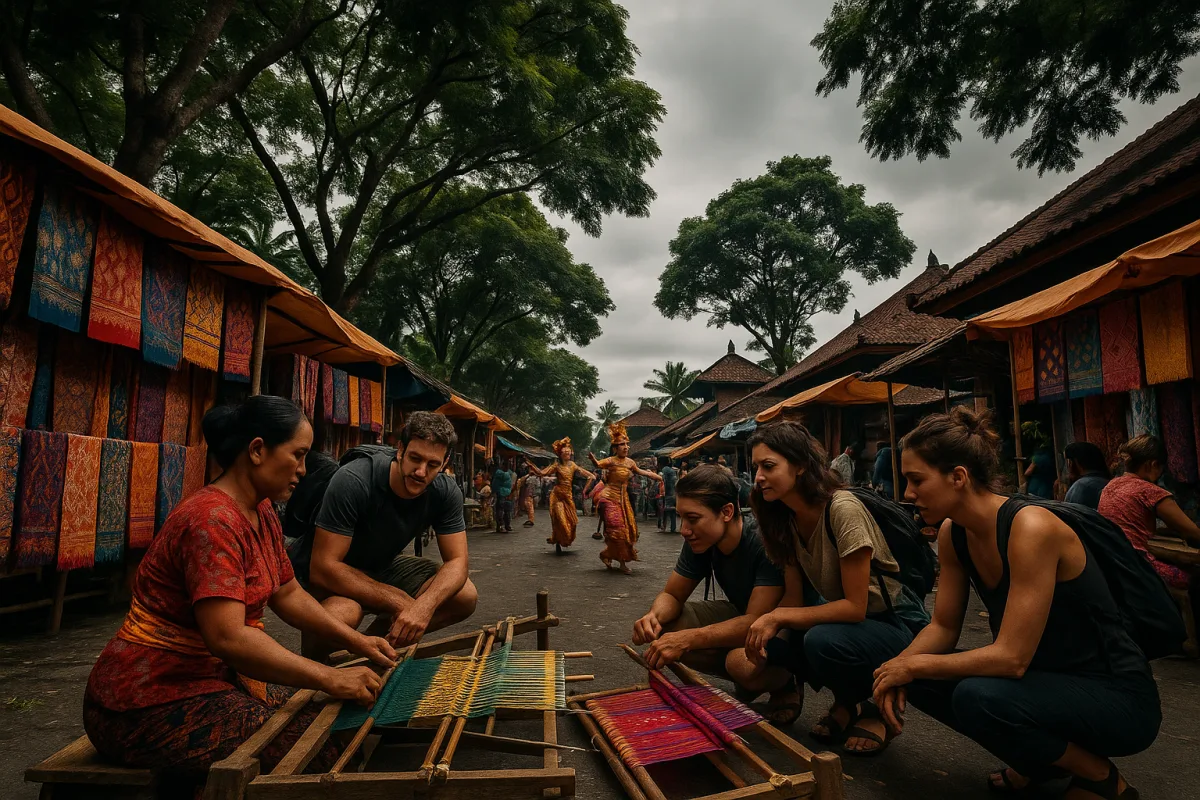
Cultural Experiences in Indonesia and Scotland
Discover cultural experiences in Indonesia and Scotland, exploring local traditions and unique activities for immersive travel.
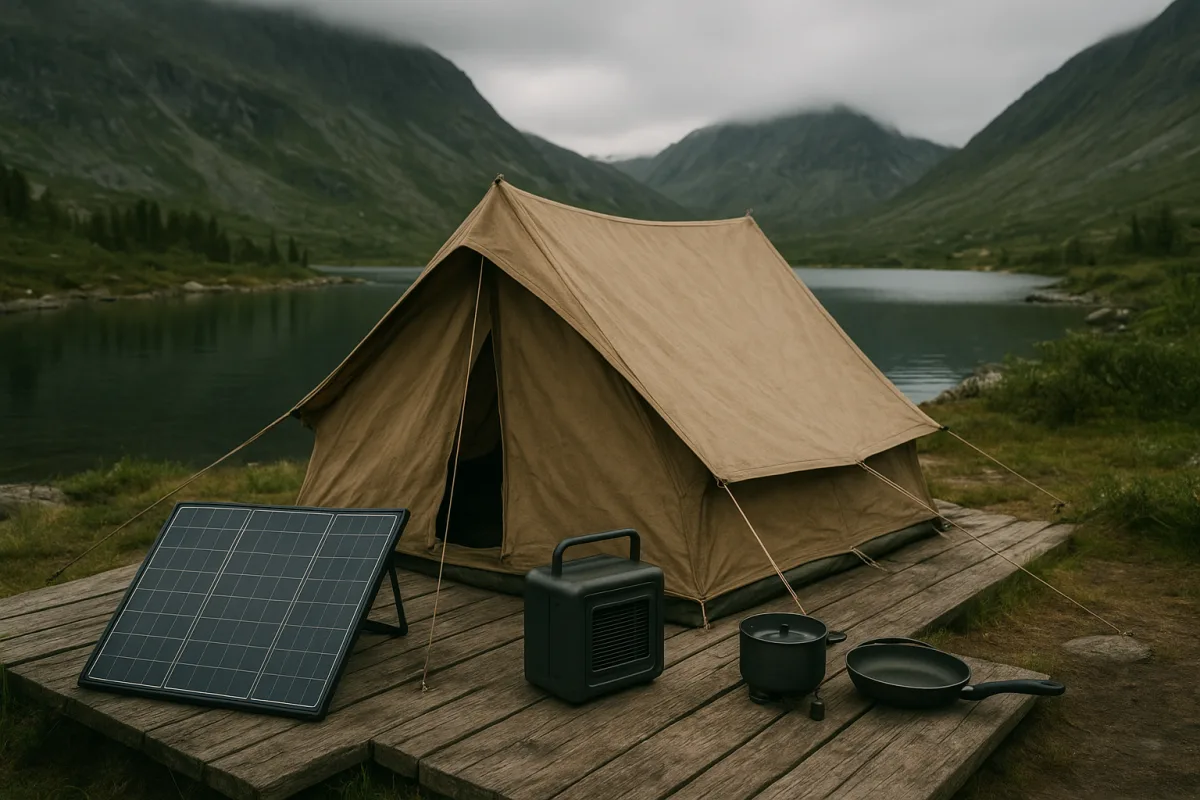
Living Abroad Experiences
Explore living abroad experiences through travel stories, tent living, and working holiday visas. Learn about costs, challenges, and lifestyle trials.

Culinary Travel Italy and Thailand: Food, Budgets & Tips
Explore culinary travel in Italy and Thailand with regional dishes, budgets, and dining tips for authentic food experiences.

Unique Unusual Travel Experiences
Explore unique unusual travel experiences with practical tips on costs, logistics, and destinations like Cappadocia, Bangkok, and Wrocław.