
Travel Budgeting Mistakes and Itinerary Tips for Popular Destinations
Learn common travel budgeting mistakes and itinerary tips for popular destinations like Hawaii and Venice to plan smarter and save money.
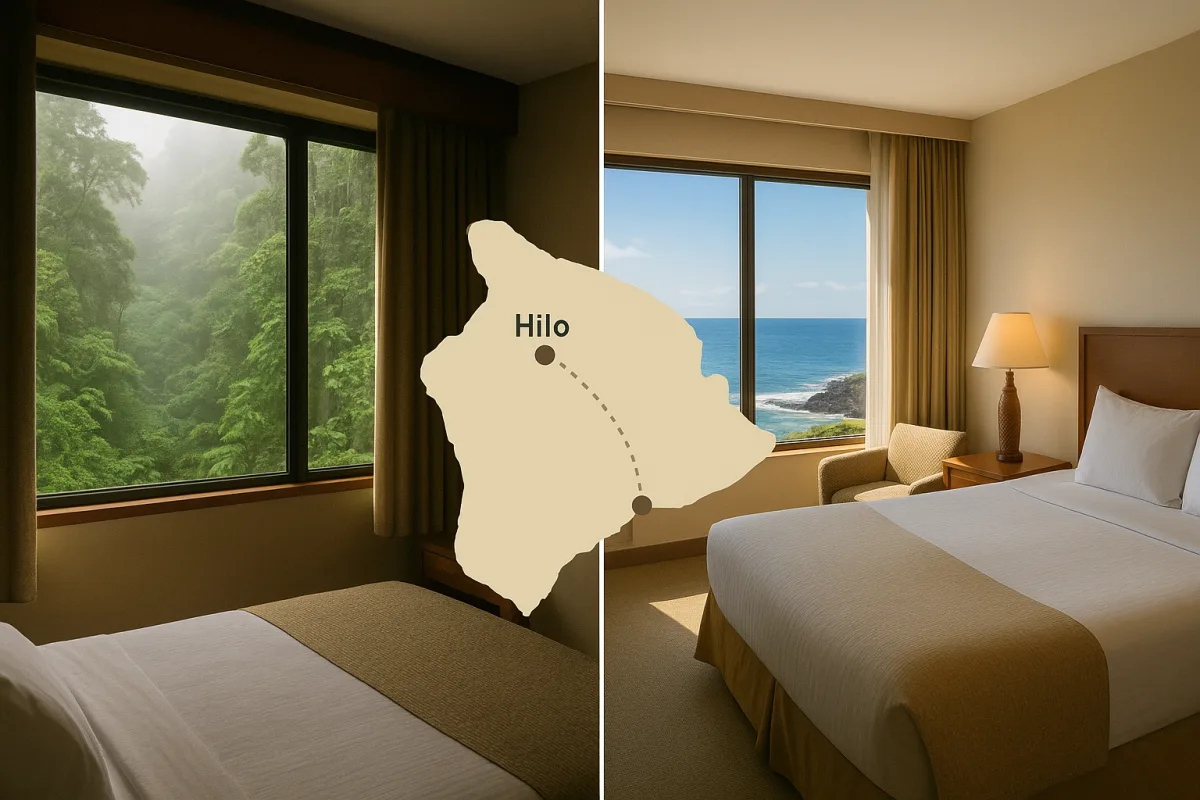
Set your Big Island lodging map before booking
A January Kohala Coast room averaging $674.69 per night can wreck a Hawaii budget before you have picked a beach. That rate was 13.7 percent higher than the prior year, according to Best Hawaiian Island and How to Live in Hawaii.
The Hawaii Vacation Guide’s Jordan and Erica recommend splitting a sightseeing-heavy week between Kona or the Kohala Coast and Hilo. We would use five nights on the west side for beaches and two nights in Hilo for waterfalls and Volcanoes National Park.
That split can materially lower your room bill. Travel by Trait reports Hilo mid-range hotels averaging about $201 nightly, with budget options around $90 to $130, while Hawaii lodging taxes total about 14 percent. [1]
Seven nights at the reported Kohala average comes to $4,722.83 before taxes and resort fees. Five Kohala nights plus two Hilo nights at the reported averages comes to about $3,775.85 before those add-ons, a difference of roughly $947.
Do not read that as a promise that every Hilo room is cheap or that every west-side room costs $675. Resort fees on the Kohala Coast can add $35 to $55 per day, and Hawaii Vacation Guide also warns that January is a costly period.
Book the car with the hotel, not after landing
The 80-mile drive between Kona and Hilo via Saddle Road takes about 1.5 hours in normal conditions. The northern route is roughly 95 miles and two hours, while the southern route through Volcanoes National Park is about 125 miles and three hours. [2]
That distance is why Hawaii Vacation Guide recommends a rental car, even for travelers who dislike parking fees. Uber and Lyft operate in Kona and Hilo, but coverage thins outside town, and the free Hele-On Bus has sparse schedules that do not work well for most sightseeing itineraries. [2]
Budget $45 to $65 a day through discount agencies or $55 to $80 through major rental companies, according to TTDI. For a seven-night trip, that puts the car at roughly $315 to $560 before gas, parking, and insurance choices.
Reserve a car at Kona or Hilo airport, then check the price again before the trip if your booking allows cancellation. Hawaii Vacation Guide uses Discount Hawaii Car Rental because its reservations do not require prepayment, which lets travelers recheck rates.
Put the expensive Big Island activities on the calendar first
Write manta ray snorkeling, a luau, or any must-do guided activity into the itinerary before filling days with beaches and drives. Hawaii Vacation Guide recommends booking manta snorkeling one to two months ahead, using the longer lead time in summer, and booking luaus about one or two months ahead.
Waiting to see the weather can leave you with sold-out departures or an inconvenient start time. You can move a beach day around, but a sold-out evening tour cannot be recovered by rearranging a spreadsheet.
Do not schedule Volcanoes National Park immediately after a flight, especially if you have connected through Honolulu. Hawaii Vacation Guide suggests checking into your hotel, picking up food, using the pool, and having a later dinner to stay awake through jet lag.
Treat an active lava viewing as a bonus, not the reason for a one-day dash across the island. The channel recommends giving Volcanoes National Park a full day for its other landscapes and cultural significance, rather than reducing it to a photo stop.
Match each Big Island day to the right coast
Put classic beach and snorkel days on the Kona and Kohala side. Hawaii Vacation Guide directs visitors there for the island’s stronger beach options, while Hilo works better for waterfalls, hikes, coastal scenery, and access to Volcanoes National Park.
Punaluʻu Black Sand Beach belongs on a driving day, not in the slot reserved for swimming and sunbathing. The Hawaii Vacation Guide describes it as a place to see black sand and honu, or Hawaiian green sea turtles, not a conventional beach day.
January also makes west-side beach time easier to plan. Hilo averages about 7.9 inches of rain across 16 January days, with average highs near 78.7°F, according to The Travel Chronicle. [3]
Kona and Kohala are usually drier, but winter surf and currents can still make secluded snorkeling a poor gamble. Hawaii Vacation Guide advises checking conditions and using lifeguarded beaches, especially on the Kohala Coast in winter.
Pack one small rain jacket and a warm layer even if your suitcase is mostly swimwear. Hilo is wet, Volcanoes National Park sits around 5,000 feet, and Mauna Kea can be cold enough for snow near its summit.
Separate scuba diving from Mauna Kea
Do not schedule a morning scuba dive and an afternoon at the 13,800-foot Mauna Kea summit. Hawaii Vacation Guide says dive operators will not allow that combination because the rapid change in altitude is unsafe after diving.
A four-wheel-drive vehicle is required beyond the Mauna Kea visitor center checkpoint, where rangers check vehicles. The channel also recommends a 30-minute stop at the visitor center before continuing upward, and warns that children under 13, pregnant travelers, and people with respiratory issues should skip the summit.
Give Mauna Kea its own day or evening, with stargazing or sunrise as the centerpiece. That leaves your diving day intact and avoids turning two memorable experiences into a rushed, uncomfortable transfer.
Price Venice lodging by the total, not the nightly headline
The Tour Guy built its Venice weekend around a €660, two-night apartment shared by three people, or €220 per traveler. It stayed in eastern Cannaregio, a quieter residential area within walking distance of the major sights.
That apartment price is not a typical Venice mid-range benchmark. Bedandmarket.com puts 2026 high-season median three-star rates near €86, while Italy Planner and Destination.com place prime-neighborhood four- and five-star options around €250 or more.
Use the €220-per-person example as a peak-price shared-apartment scenario, not a target you must accept. We would search Cannaregio, Dorsoduro, and other walkable districts, then compare the final checkout total for a hotel room against an apartment split.
Check for cleaning, Wi-Fi, and service fees before accepting a rental’s apparent bargain. Kiplinger flags hidden accommodation charges as a frequent travel-budget mistake, particularly when a low nightly rate is displayed before the complete bill. [4]
Build Venice meals around standing-room stops
A canal-side dinner near St. Mark’s Square can consume the money meant for the next day’s museum ticket. The Tour Guy recommends using cicchetti, small Venetian snacks commonly served on bread, and wine at a bacaro, or Venetian wine bar.
In Cannaregio, the channel points to Fondamenta dei Ormesini and Fondamenta della Misericordia, where bacari line the canals. It names Bacaro and Timon as options, but its broader advice is to choose a place that looks busy, local, and appealing.
The Tour Guy budgets €20 to €25 for enough cicchetti and wine to substitute for dinner. It also suggests Bar alla Toletta in Dorsoduro for tramezzini, estimating two soft triangular sandwiches and water at about €8 when eaten at the counter.
Stand at the bar for coffee if you are counting euros. The channel budgets less than €4 per coffee and about €3 for two additional espressos, while seated coffee near San Marco can cost about €20 for the view and service.
Leave room for the coperto, the restaurant cover charge. Venetian Guide says it commonly adds €2 to €5 per person and may not be included in the menu prices, so a listed €25 pasta dinner can cost more before drinks.
Choose which Venice upgrades earn their extra cost
Start with the fixed DIY costs: The Tour Guy cites €90 for a 30-minute daytime gondola ride, €30 for Doge’s Palace, and €10 for St. Mark’s Basilica. Its combined guided option starts around €119.
The official Venice visitor site confirms the daytime gondola fare is €90 for 30 minutes, rising to €110 for 35 minutes in the evening, for up to five passengers. Tips of €5 to €10 and extras are outside that posted fare.
If two people share a daytime gondola, the channel’s three attractions cost about €85 per person independently. Its €119 guided package adds timed entry, a guide, and the gondola, so the relevant upgrade is approximately €34, not an entirely separate €119 expense.
We would pay that increment if Doge’s Palace and St. Mark’s are priorities on a short first visit. Timed entry protects a limited weekend, while a traveler who only wants the gondola can split the €90 ride with up to four other passengers.
For Murano and Burano, The Tour Guy compares a €25, 24-hour vaporetto pass with its €33 guided lagoon trip. The public pass is cheaper and works, but the channel’s option adds a guide, artisan demonstrations, and private wooden-boat transport for €8 more.
Add the Venice charges that do not fit the €500 headline
The Tour Guy’s €500 weekend includes shared accommodation, meals, coffee, a gondola, St. Mark’s Basilica, Doge’s Palace, Murano, and Burano. Its preferred version costs about €602 per person after upgrading the food and lagoon experiences.
Airport transport is not part of that neat headline. Venetian Guide lists a bus at €10, an Alilaguna water bus at €18, and water taxis from €150 to €300, so pick the transfer before declaring the weekend budget complete.
Day-trippers also need to check Venice’s access-fee calendar. Visit Venice says the €5 to €10 Contributo di Accesso applies on selected dates, 60 days between April and July 2026, though overnight guests are exempt.
A two-night visitor staying in Venice therefore avoids the entry fee, but still needs room for airport transport, lodging add-ons, and restaurant cover charges. Put those items in the budget first, then see whether the €500 version still fits your actual arrival and departure plan.
Frequently Asked Questions
What are common travel budgeting mistakes in Hawaii and Venice?
In Hawaii, travelers often overspend by booking all their nights on the expensive Kohala Coast instead of splitting time with more affordable Hilo accommodations. In Venice, a common mistake is focusing on the nightly lodging price without accounting for additional cleaning, service, and hidden fees, which can significantly raise the total cost.
How can I avoid itinerary mistakes when visiting popular destinations?
Prioritize booking must-do activities with fixed schedules, such as manta ray snorkeling or luaus on the Big Island, well in advance to avoid sold-out tours. Avoid scheduling physically demanding activities back-to-back, like scuba diving followed by a high-altitude visit to Mauna Kea, to prevent health risks and fatigue.
What budgeting tips help save money on the Big Island of Hawaii?
Splitting your stay between the west side (Kona or Kohala Coast) and Hilo can reduce lodging costs by nearly $1,000 before taxes and fees. Renting a car in advance at the airport is more cost-effective than relying on rideshares or limited public transit, which are sparse outside towns.
How do hidden fees affect travel budgets in Venice?
Hidden fees such as cleaning charges, service fees, restaurant cover charges, and airport transfers can add substantially to the headline lodging or experience prices. Travelers should verify the total cost upfront to avoid surprises that can inflate the budget beyond initial estimates.
What are the best ways to plan activities and lodging to avoid overspending?
Map out your lodging by region to match daily activities, such as beach days on the Kona or Kohala side and waterfall or park visits near Hilo. Book popular guided activities early to secure preferred times and avoid last-minute premium pricing or sold-out tours. Check the full lodging price including taxes and fees before booking.
How we researched this
This article was assembled from 2 video sources across 2 channels, 4 cited references.
Nothing here is based on hands-on testing. Where a figure or finding appears, it belongs to the source cited beside it, and the writing says so rather than implying otherwise. Every source is listed below so you can check it.
Sources
13 BIG ISLAND Hawaii Itinerary Mistakes First-Timers Make (Can You Spot Them?), The Hawaii Vacation Guide
Venice on a Budget: How to See Everything for €500, the tour guy
Average Hotel Costs in Hawaii: Complete Island-by-Island Price Guide
Watch Travel Budgeting and Itinerary Mistakes for Popular Destinations on Youtube
Also from the sources
Related Articles
Travel Tips and Warnings for Popular US Destinations
Get practical travel tips and warnings for popular US destinations like Chicago and the Smoky Mountains to plan safer, smoother trips.
Underrated Travel Destinations Logistics and Budget Tips
Explore underrated travel destinations in 2026 with practical logistics, budget advice, and transport tips for a smooth trip.

Travel Challenges in Remote Locations
Explore travel challenges in remote locations with tips on logistics, borders, budgets, and weather for self-supported adventure trips.
Top Family Vacation Destinations and Multi-Destination Travel USA
Explore top family vacation destinations in the USA with tips on budgets, logistics, and multi-destination travel planning for 2027.