
Peaks of the Balkans Trek Budget & Logistics Guide
Discover detailed budgeting and logistics for the Peaks of the Balkans trek, including permits, lodging, meals, and altitude tips.
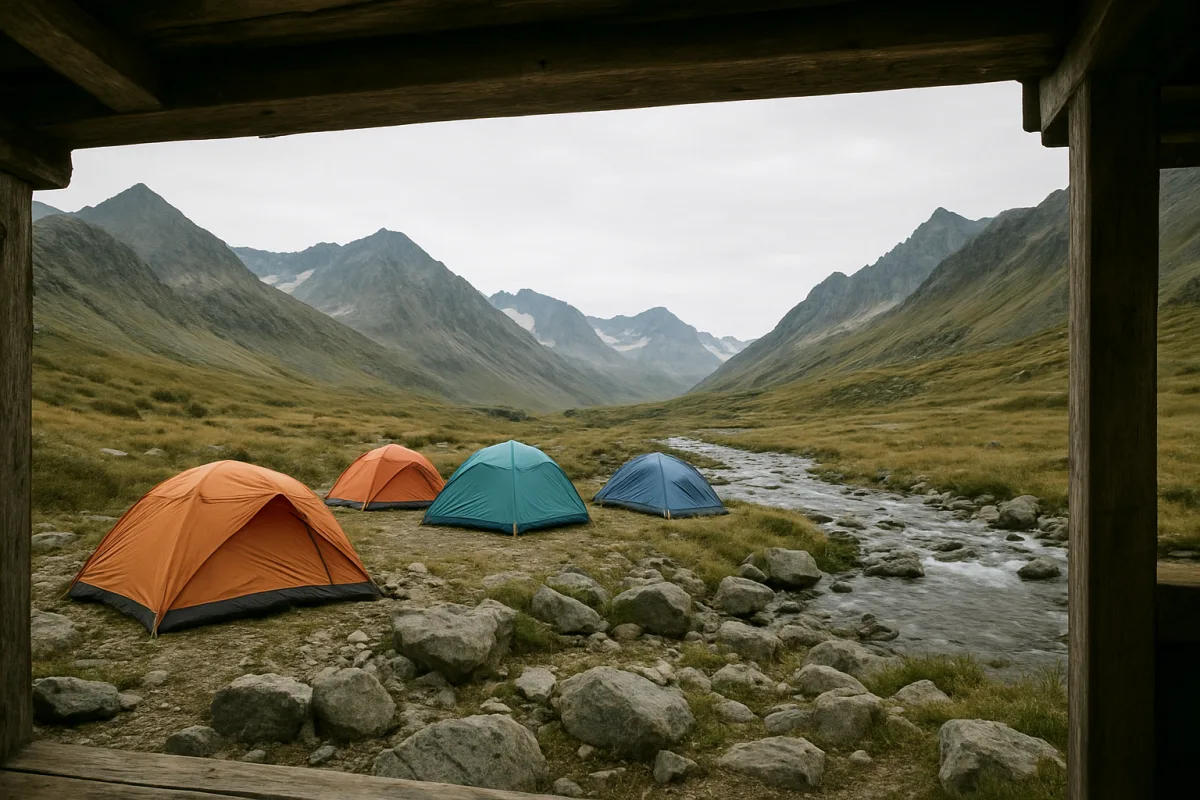
The adventure is often the overnight stop
A tent pitch in Dobërdol, Albania, can cost more than a bed in a city hostel. That is because the Peaks of the Balkans is not built around wilderness campsites and supermarkets, but around homes that cook, feed, and sleep hikers.
This is the system behind many offbeat journeys. A road, trail, village kitchen, or street stall does not become a viable travel experience because the scenery is dramatic. It works when local people can get you fed, housed, moved, and through the next obstacle.
The Peaks of the Balkans makes that unusually clear. The 119-mile circular trek crosses Albania, Kosovo, and Montenegro through the Accursed Mountains, linking villages whose families now earn from rooms, meals, guiding, livestock products, and transport. [3]
CN Traveler reports that roughly 43,000 hikers now use the trail annually, generating more than €25 million, or $27.7 million, for mountain regions. Those are large numbers for settlements where a guesthouse can still be a family home with a few spare rooms.
For you, that means the price of a trek is not mainly a trail-map price. It is a chain of small transactions: a bed, dinner, breakfast, packed lunch, transfer, permit, and occasional guide. Miss one link and the day gets expensive fast.
How the Peaks of the Balkans budget actually works
A typical independent trek costs €400 to €650 per person for 10 days, excluding flights. [3] That figure works only if you use guesthouses along the route, arrange permits in advance, and accept that lodging availability controls your itinerary.
Guesthouses generally cost €20 to €60 per person per night, often with half-board included. [3] Half-board usually means dinner and breakfast, which matters because many high mountain stops have no shop where you can replace a missed meal.
If meals are separate, expect €5 to €10 for a meal and €3 to €8 for a packed lunch. [3] A traveler who books the cheapest room but skips half-board can save little, then spend a long afternoon hungry between settlements.
The route’s border permits are another fixed cost. They run about €20 to €35 per person and require passport details and a planned route. [3] Processing can take 15 or more working days, so submitting an application about 10 weeks before departure leaves room for corrections.
The walking is demanding, too. Daily elevation changes can reach about 1,000 meters, and the main trekking season runs from mid-June through September. [3] July and August bring the greatest demand for limited rooms, so book early if those are your only dates.
We would hike in September, when CN Traveler found Dobërdol busy but the route beyond it far quieter. You may get cooler mornings and shorter daylight, but you also avoid the most compressed part of the summer guesthouse season.
Dobërdol shows both sides of success. CN Traveler found tents filling the grass around guesthouses and a packed breakfast room, while Zbulo adventure-travel operator Ricardo Fahrig estimated that Kosovo’s Rugova Gorge receives 30 percent or less of Dobërdol’s traffic.
That imbalance is where your route choice becomes a local economic decision. Skipping Kosovo’s Drelaj or Junik may save a day, but it also sends your money toward the already crowded headline sections around Valbona and Theth.
Guesthouses are not interchangeable trail infrastructure. At Konaku i Malsorit in Drelaj, host Blendi Lajqi told CN Traveler that his family returned after fleeing during the Kosovo War, restoring a home that had stood unused for decades.
The trail can bring people back to land, but it also has limits. There is no dedicated mountain rescue service along the Peaks of the Balkans, and hospitals can be one to three hours away. [3] Carry enough food, water, layers, navigation backup, and a charged phone.
Emergency number 112 works in all three countries, though ambulance numbers vary. [3] A guide is not mandatory, but we would hire one for an early trip if you lack mountain experience, especially on remote sections or in unstable weather.
Bhutan: the village stay is built around altitude and season
In Bhutan’s Phobjikha Valley, Luke Martin joined a household routine that began with milking cows at about 7 a.m. The valley sits around 3,000 meters, or just under 10,000 feet, where ordinary chores are calibrated to weather, dairy, crops, and stored food.
The visitor experience looks intimate because it is. Fresh milk becomes butter, butter tea, cheese, and meals; potatoes fill a root cellar; chilies and cheese become ema datshi, Bhutan’s national dish. You are seeing a household food system, not a hotel breakfast concept.
Martin’s host showed why butter tea is central at elevation. Black tea is mixed with butter and salt into a savory drink that his local guides described as warming and energy-giving for farm work, winter, and hiking.
The travel cost here is less transparent than a marked trekking trail. Specific information on village lodging standards at this elevation is limited, but remote accommodation is generally basic and food options can be narrow. Bring preferred snacks and any dietary necessities.
Altitude is the non-negotiable cost. Symptoms of altitude sickness are common above 2,500 meters, and they can include headache, fatigue, nausea, and poor sleep. [4] Mild symptoms often improve with acclimatization, but worsening symptoms call for stopping ascent and seeking help.
Do not schedule a demanding hike immediately after reaching the valley. Spend the first day walking gently, drinking regularly, eating, and sleeping there. Bhutan’s bigger high-altitude journeys, including sections of the Snowman Trek, reach 4,500 to 5,000 meters, where the risk rises sharply. [4]
The hot-stone bath Martin filmed is another example of local infrastructure doing double duty. River stones heated over a fire are placed in a separate chamber beside a water-filled bath, warming the water without a conventional heater.
It is memorable because it belongs to the place, but it is also a reminder not to arrive demanding resort predictability. Weather, altitude, road access, food stores, and household routines shape the stay. The village is hosting you inside a working system.
Tajikistan: the road can be the whole expedition
Kara and Nate’s Mongol Rally team entered Tajikistan in a converted school bus after more than 6,000 miles across 12 countries. Their first roads felt remarkably smooth after Turkmenistan and Uzbekistan, then the route climbed toward exposed mountain bends with no guardrails.
The team called their five-hour drive toward Khujand their sketchiest of the trip, despite good pavement. At almost 8,000 feet, the bus had cooler temperatures but faced thousand-foot drops, an unfamiliar toll booth, and a late search for cash, food, water, and a camp spot.
That sequence is the real cost model for a vehicle expedition. Fuel may be affordable or expensive, but the larger risks are delays: one ATM failure, a closed border, a checkpoint, a mechanical fault, an unplanned overnight, or a road blocked by weather.
Tajikistan requires an International Driving Permit alongside your national license and passport. Foreign vehicles must be registered, carry mandatory third-party liability insurance, and pay temporary import tax at the border. [1]
A converted bus also needs to meet Tajik vehicle size and weight rules, though published guidance does not give a clear dimension or weight threshold for this kind of vehicle. Confirm the requirements with Tajik authorities before committing to the route. [1]
Borders can close without notice, so check official status before you leave a city with fuel, cash, and supplies. [1][6] You can have a valid visa and a mechanically sound vehicle, then still lose a day or a week to a closure.
Police and military checkpoints are common outside Dushanbe, and foreign-plated vehicles may receive extra scrutiny. [1][6] Keep your passport, vehicle documents, insurance papers, and import paperwork accessible, not buried under camping gear.
Road conditions also change with season. Rockslides, avalanches, and weather damage make mountain roads unpredictable, especially in spring and winter. [1][6] We would not plan a tight schedule around a single mountain crossing, and we would drive only in daylight.
Avoid border areas near Afghanistan and Uzbekistan, plus the Vakhsh and Rasht valleys, where landmines and unexploded ordnance remain a hazard in some areas. [1][6] Tajikistan’s mountains reward patience, but they punish a plan that assumes every road day will run normally.
Chiang Mai street food: the cheapest local system, with limits
At Khao Soi Loong Prakid Gard Gorm in Chiang Mai, Phil Rosenthal of Somebody Feed Phil found a specialist stall making one dish: khao soi. The bowl combines coconut curry broth, hand-pulled noodles, pickled mustard greens, chilies, onion, lime, and crisp noodles.
That specialization is why street food can support an ambitious trip budget. A stall with a short menu buys fewer ingredients, turns them quickly, and cooks the same dish repeatedly. You get a local meal without paying for dining-room rent or a long service staff.
But street food is not automatically safe because it is popular. Rosenthal told BBC Travel that a queue can be a good sign, though he also warned that an Instagram line may reflect appearance rather than quality.
Use the queue as one clue, not a diagnosis. Choose stalls where food is cooked hot to order, watch how raw ingredients are handled, wash or sanitize your hands, and be cautious with untreated water, ice, and raw or undercooked foods. [2][5]
No current Chiang Mai-specific hygiene standards or enforcement data establish that any individual stall is safe. Thailand’s broader health risks include dengue, leptospirosis, and melioidosis, conditions linked to mosquitoes or contaminated water and soil, not only to what is on your plate. [2]
The payoff can be extraordinary. Rosenthal finished two bowls at the Chiang Mai khao soi stall, one chicken and one beef, an unusual move for a host who normally takes only a few bites before sharing. That is the kind of food worth organizing a day around.
The same logic applies from Taipei to Bangkok. Rosenthal praised Huang Fulong Crispy Scallion Pancake near Taipei Main Station for making each egg-filled pancake to order, while Bangkok’s Jay Fai turns fresh crab into an omelet that BBC Travel reported at around $75.
Jay Fai is a useful reminder that “street food” is a format, not a price category. A quick meal can be cheap, but rare ingredients and a famous cook can make it a splurge. Spend where the food is distinctive, then keep the rest of your meals ordinary.
Frequently Asked Questions
How much does the Peaks of the Balkans trek cost?
An independent 10-day Peaks of the Balkans trek typically costs between €400 and €650 per person, excluding flights. This budget covers guesthouse stays, meals, permits, and local transport but depends on using accommodations along the route and arranging permits in advance.
What is the daily budget for the Peaks of the Balkans trek?
Guesthouses generally cost €20 to €60 per person per night, often including half-board (dinner and breakfast). Meals outside of half-board range from €5 to €10, and packed lunches cost about €3 to €8. Daily expenses add up through lodging, food, permits, and occasional transfers.
How do I arrange permits for the Peaks of the Balkans trail?
Border-crossing permits cost about €20 to €35 per person and require submission of passport details and a planned route. Processing can take 15 or more working days, so applications should be submitted roughly 10 weeks before departure to allow time for any corrections.
What are the lodging options on the Peaks of the Balkans trek?
Lodging mainly consists of family-run guesthouses in villages along the trail, often offering half-board meals. Prices range from €20 to €60 per person per night. These guesthouses are integral to the local economy and may be limited in availability, especially during peak season.
How to prepare for altitude sickness in Bhutan's Phobjikha Valley?
The Phobjikha Valley in Bhutan sits around 3,000 meters (just under 10,000 feet), where altitude sickness is common above 2,500 meters. Visitors should allow time to acclimatize, as mild symptoms are expected and usually resolve with proper adjustment to the altitude.
How we researched this
This article was assembled from 2 video sources across 2 channels, 2 published articles, 6 cited references.
Nothing here is based on hands-on testing. Where a figure or finding appears, it belongs to the source cited beside it, and the writing says so rather than implying otherwise. Every source is listed below so you can check it.
Sources
Can our bus make it through Tajikistan? (Mongol Rally Ep.11), Kara and Nate
I Survived the Himalayan Diet at 10,000 Feet 🇧🇹, Luke Martin
Walking the Peaks of the Balkans, a Trekking Route With Community At Its Core, CN Traveler
Phil Rosenthal's five favourite street eats, BBC Travel
Peaks of the Balkans Trail Guide, Complete Itinerary, Map & Tips
Watch Adventure and Offbeat Travel Experiences in Asia and Beyond on Youtube
Also from the sources
Related Articles
Fall and Winter Travel Tips for USA and Europe 2026
Get practical tips for fall and winter travel in the USA and Europe, including routes, budgets, car rentals, and ski resort advice.
New Travel Experiences in Europe
Discover new travel experiences in Europe with tips on destinations, transport, budgets, and timing for Amsterdam, Salzburg, Galway, and the Highlands.
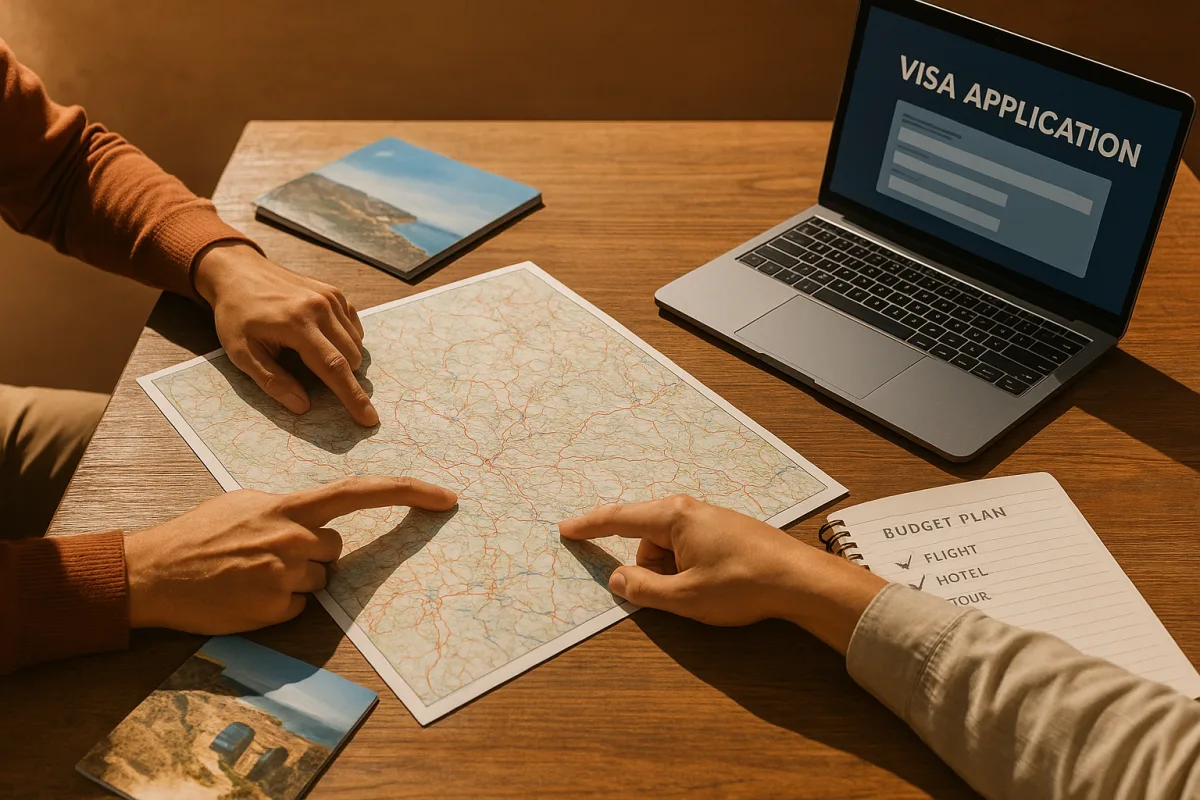
Travel to Restricted Destinations: Tips for 2026 Trips
Learn how to plan travel to restricted destinations like Turkmenistan with budgets, logistics, and current restrictions for 2026 trips.
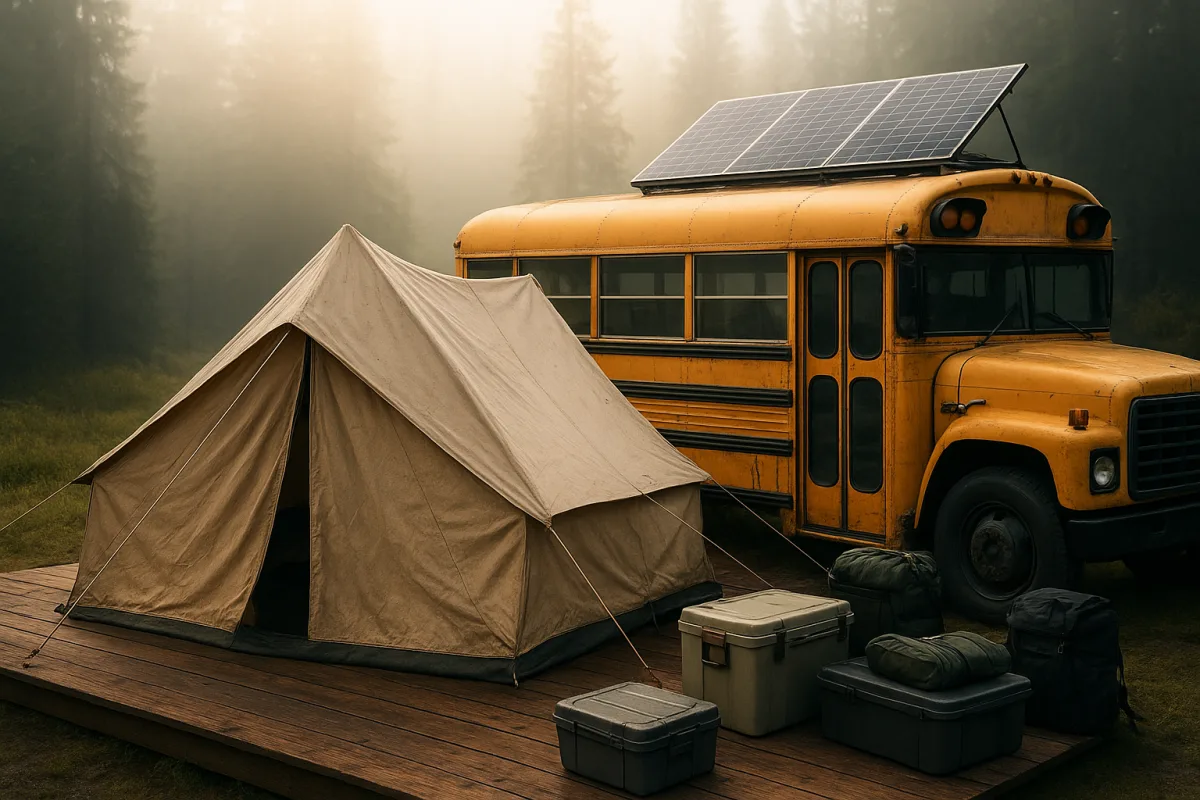
Living in a Tent and Bus Road Trips
Explore living in a tent and bus road trips with tips on costs, logistics, and seasonal travel bases for unique travel experiences.