
Luxury Remote Travel Experiences in the Amazon and Bhutan
Explore luxury remote travel in the Amazon and Bhutan with costs, logistics, and tips for 2026 river cruises and Bhutan village stays.
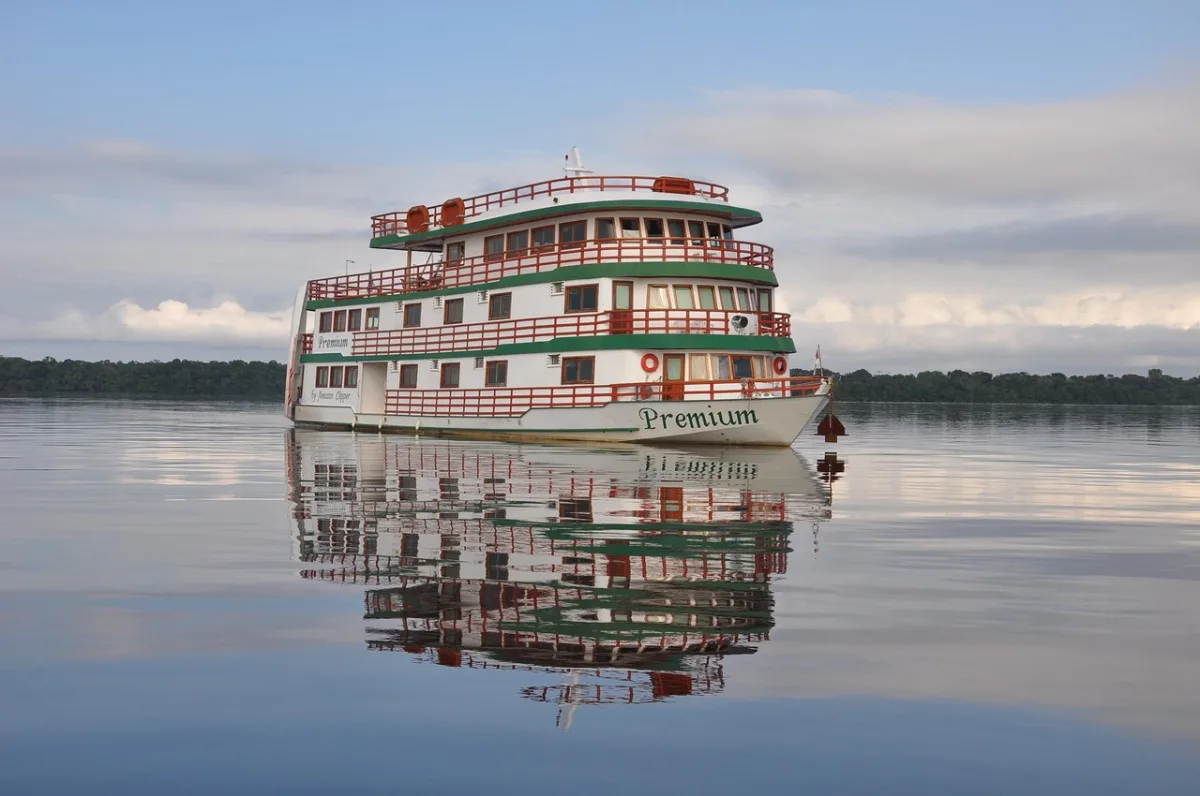
Photo: VladoZg via Pixabay
The Amazon’s luxury frontier is moving farther upriver
In 2026, Lindblad Expeditions added a chartered 42-guest ship in the Amazon, doubling its regional capacity. Skift also reports that CroisiEurope is preparing Brazil-to-Colombia sailings and Seabourn has announced an Amazon itinerary for 2028. [6]
Those are separate operators making the same bet: people will pay for a smaller, more controlled way into the forest. The luxury product is increasingly the distance from Manaus, the ability to reach tributaries, and limited guest numbers.
Manaus is part of the reason. Its urban footprint grew from 3.7% in 1985 to 10.2% in 2021, according to figures reported by Skift, and roads now reach some lodges once accessed only by boat or plane. [6]
That development does not make the entire Brazilian Amazon crowded. It does mean a lodge’s old marketing language can outlast its isolation, especially if you arrive by car and see suburban expansion before the forest begins.
Operators are responding by pushing properties and itineraries deeper into the basin. Skift reports that Ponant bought a majority stake in Aqua Expeditions, a Peruvian river-cruise operator, while Amazonas state tourism agency Amazonastur expects 17,000 visitors, including crew, in the region. [6]
The numbers point toward growth, but not every claim about remoteness can be tested from a booking page. No comprehensive map shows which Amazon lodges have lost their sense of isolation, so ask your operator for actual transfer times and final-mile transport.
What remote access costs on the Amazon
Aqua Expeditions gives the clearest 2026 price signal. Its Aqua Nera departures start at $5,130 to $5,610 per person for three nights, $6,840 to $7,480 for four nights, and $11,340 to $12,460 for seven nights. [1]
Those figures are for two people sharing a Design Suite, not a whole boat or a private charter. Aqua Expeditions’ high season begins December 20, 2026, so dates around Christmas and New Year will sit at the expensive end. [1]
Lindblad Expeditions lists six-day Upper Amazon voyages from $8,000 per person. Its 10-day Peru program combining Machu Picchu and the Amazon starts at $11,429 per person for November and December 2026 departures. [2]
For a wider benchmark, River Cruise Advisor puts entry-level Amazon river cruises around $4,500 to $5,000 per person. It estimates a typical seven- or eight-night voyage at $12,000 to $15,000 per couple, before you turn the trip into a larger Peru or Brazil vacation. [5]
Glacial Expeditions lists three- to seven-night Amazon cruises from $5,200 to $10,500 per person. That overlap shows why you should compare boat size, cabin category, airport transfers, excursions, drinks, and arrival-city hotels instead of comparing nightly rates alone. [4]
The quoted cruise prices are voyage fares, not a complete door-to-door vacation budget. Confirm what your specific departure includes, then price international flights, pre- and post-cruise nights, airport transfers, gratuities, visas where applicable, and travel insurance separately.
Seabourn and CroisiEurope have announced or planned Amazon activity, but neither publishes comparable 2026 Amazon-specific fares. That leaves Aqua Expeditions and Lindblad as the better starting points if you need a real number before building an itinerary. [1] [2]
We would pay more for a published itinerary that names its embarkation point, flight connection, vessel capacity, and tributary route. We would skip any “deep Amazon” package that cannot say whether your final transfer is by car, speedboat, floatplane, or overnight vessel.
Bhutan sells immersion through rules as much as scenery
Bhutan’s version of high-end remoteness is different. You may be in a traditional home, a farmhouse kitchen, or a mountain valley, but the trip remains tightly organized through accommodation certification, guide rules, and the national visitor fee.
The Sustainable Development Fee is officially $200 per adult per night, but Bhutan has reduced it to $100 through December 31, 2029. Bhutan Travel confirms the temporary reduction, which makes a seven-night visit a $700 per-person fee before accommodation or touring costs. [11]
A licensed guide is mandatory for tourist travel beyond limited border-town exceptions, according to Bhutan travel specialists summarizing the 2026 rules. [12] You cannot treat a rural homestay as an independent road trip with a spare room at the end.
Bhutan also began applying 5% GST to most goods and services in January 2026, although the exact treatment of every tourism component has not been fully published. Ask whether quoted lodging, transport, meals, guide services, and activity fees include GST. [13]
Travel insurance has not been mandatory since April 2024, but dropping the requirement does not remove the risk of flight disruption, road closures, or altitude-related medical care. Bhutan Luxury Travel reports the policy change, while insurance remains a cost worth pricing for yourself. [13]
A village stay is small-scale by design
Bhutan’s Department of Tourism requires all tourist accommodation to be certified, and Business Bhutan reports that uncertified properties cannot host tourists. [9] That is important when a social post or tour operator offers a “local family” experience without naming the property.
Village homestays have particularly narrow rules. They must be Bhutanese-owned, outside municipal boundaries, located in traditional houses built before March 2017, and cannot operate commercial businesses on site. [10]
The same guidelines limit a village homestay to three guest rooms with two guests per room. Meals must be home-cooked and activity charges must be transparent, so a certified stay is intentionally closer to a household visit than a resort operation. [10]
By September 2026, Bhutan had certified 199 village homestays. [9] That is enough supply to build an itinerary around rural stays, but not enough to assume you can book a particular valley, family, or festival week at short notice.
Luke Martin’s Bhutan video gives a clear picture of what one hosted countryside day can involve: morning cow milking, butter churning, cheese-making, a meal of rice and vegetables, and a herb-scented hot-stone bath. It was filmed in Phobjikha Valley at roughly 3,000 meters, or above 10,000 feet.
The food shown is part of the appeal, but it should not be turned into a promise that every stay reproduces the same day. Martin’s host prepared fresh cheese, butter tea, chili-and-cheese ema datshi, vegetables, dried beef, and potatoes from a root cellar.
His late-September visit also showed rain at the tail end of the wet season. Phobjikha is known for black-necked cranes in winter, but seasonal wildlife protection can limit where visitors go, so confirm access instead of assuming a viewpoint equals free movement across the valley.
What can go wrong at altitude
Rural Bhutan is not a polished lodge circuit with a farmhouse backdrop. Haa Valley, for example, sits around 2,700 meters, and higher sleeping elevations can bring altitude symptoms, especially if you arrive from low elevation and move quickly. [14]
Infrastructure can be part of the experience and part of the constraint. Breathe Bhutan notes that village stays may involve unpaved access roads, limited Wi-Fi, basic heating, and shared or limited bathroom arrangements. [15]
Ask four questions before booking: your exact sleeping altitude, drive time from the nearest airport or paved highway, whether the room has an attached bathroom, and how the home is heated in cold months. A brochure’s mountain view will not answer them.
Cultural etiquette also needs more preparation than a conventional luxury hotel stay. Hosts may eat on the floor, use hands rather than forks, speak limited English, or follow household routines that do not bend around a late breakfast or a packed sightseeing schedule.
We would start with two nights in a certified village homestay, booked through an operator that identifies the exact property and guide. That gives you the cultural access you came for without making every night dependent on rural roads, weather, and limited facilities.
Plan for verifiable remoteness, not a generic luxury label
The Amazon and Bhutan are converging around a similar promise: access that feels rare. They get there differently, through farther river routes in one case and regulated household-scale accommodation, guides, and high-altitude geography in the other.
For the Amazon, request the full transfer chain before committing. A journey that begins with a Manaus hotel, then a road ride, then a boat transfer can still be excellent, but it is not the same product as a multiday voyage into a tributary.
For Bhutan, put fixed government costs at the top of the budget. The $100 nightly SDF can exceed the room rate at a basic homestay, while private guides, vehicles, meals, and GST can change the final number quickly. [11] [12] [13]
There is thin evidence on the operating costs of individual luxury Amazon lodges, beyond broad cruise-market reporting. Do not accept a large price premium as proof that a property faces uniquely difficult logistics unless the operator explains where your money goes.
Frequently Asked Questions
What are the costs of luxury river cruises in the Amazon in 2026?
Luxury river cruises in the Amazon start at about $5,130 per person for a three-night cruise on Aqua Expeditions’ Design Suites, rising to $11,340-$12,460 for seven-night departures. Lindblad Expeditions offers six-day Upper Amazon cruises from $8,000 per person and 10-day combined Machu Picchu and Amazon trips starting at $11,429 per person. Prices vary by operator, cruise length, cabin type, and season, with high season beginning December 20, 2026.
How remote are luxury lodges in the Amazon and how is access changing?
Some lodges near Manaus have become less remote due to urban expansion and new roads, making them accessible by car rather than only by boat or plane. This has reduced their sense of isolation and affected wildlife encounters. To maintain exclusivity, operators are developing lodges deeper in the Amazon basin, offering access by more remote routes such as speedboat or floatplane.
What fees and regulations affect luxury travel in Bhutan in 2026?
Travelers to Bhutan must pay a Sustainable Development Fee of $100 per night (halved from $200 until December 31, 2029), hire a licensed guide for most travel within the country, and pay a 5% GST on many purchases. All tourist accommodations must be certified by the Bhutan Department of Tourism. Travel insurance is no longer mandatory as of April 2024.
How do Bhutan village homestays operate for luxury travelers?
Certified Bhutan village homestays are small, Bhutanese-owned traditional homes located in rural areas outside municipal boundaries. They must meet strict rules, including being built before March 2017 and having no commercial operations onsite. Travelers should book early and inquire about heating, bathroom facilities, road access, and altitude conditions, as these homes are rustic and remote by design.
What should travelers budget for a luxury trip to the Amazon and Bhutan?
For the Amazon, budget at least $5,130 per person for a short luxury river cruise and up to $12,460 for longer voyages, excluding flights, transfers, and extras. In Bhutan, add $100 per night per person for the Sustainable Development Fee, plus costs for certified accommodations, licensed guides, and a 5% GST on many purchases. Additional expenses like international flights and personal travel insurance should also be considered.
How we researched this
This article was assembled from 1 video source, 1 published article, 16 cited references.
Nothing here is based on hands-on testing. Where a figure or finding appears, it belongs to the source cited beside it, and the writing says so rather than implying otherwise. Every source is listed below so you can check it.
Sources
I Survived the Himalayan Diet at 10,000 Feet 🇧🇹, Luke Martin
Luxury Tours Pushed Deeper Into Amazon As Gateways Urbanize, Skift
Amazon River Cruise Cost: Fares, Inclusions and Extras | Glacial Expeditions
Amazon River Cruise Guide: What Does It Cost? - River Cruise Advisor
Global Luxury Cruise Tourism Market Size, Growth Trends & Forecast 2026-2034
Global Cruise Ship Travel Services Supply, Demand and Key Producers, 2026-2032
Bhutan Travel Changes 2026-27: What’s Decided, What’s Not, Bhutan Luxury Travel
Haa valley farmhouse homestays, Haa · Homestay village in Bhutan · Himalaya Hives
Homestays In Bhutan: A Unique Experience, But Be Cautious - Breathe Bhutan
Best Bhutan Tours | Luxury Travel, Treks & Cultural Tours in Bhutan
Watch Luxury and Remote Travel Experiences in the Amazon and Bhutan on Youtube
Related Articles
Unique Travel Experiences and Cultural Insights in Bhutan
Explore unique travel experiences and cultural insights in Bhutan and Sudan, including Bhutan tour costs and Sudan travel safety updates.
Travel Safety and Remote Destinations: Key Tips for 2026
Learn essential travel safety tips for remote destinations in 2026, including evacuation planning, insurance, and realistic access considerations.
Labor Day Travel Costs and Trends in 2026
Explore Labor Day travel costs and trends in 2026, including airfare, gas prices, and tips to plan your budget effectively.
Travel Costs and Airfare Trends 2026: What to Expect
Explore travel costs and airfare trends for 2026-2027, including fuel impact and budget airline fees to help plan your trip budget.