
Indigenous Community Tourism Planning
Learn how to plan Indigenous community tourism visits that respect culture and support local businesses in Alaska and Oregon.
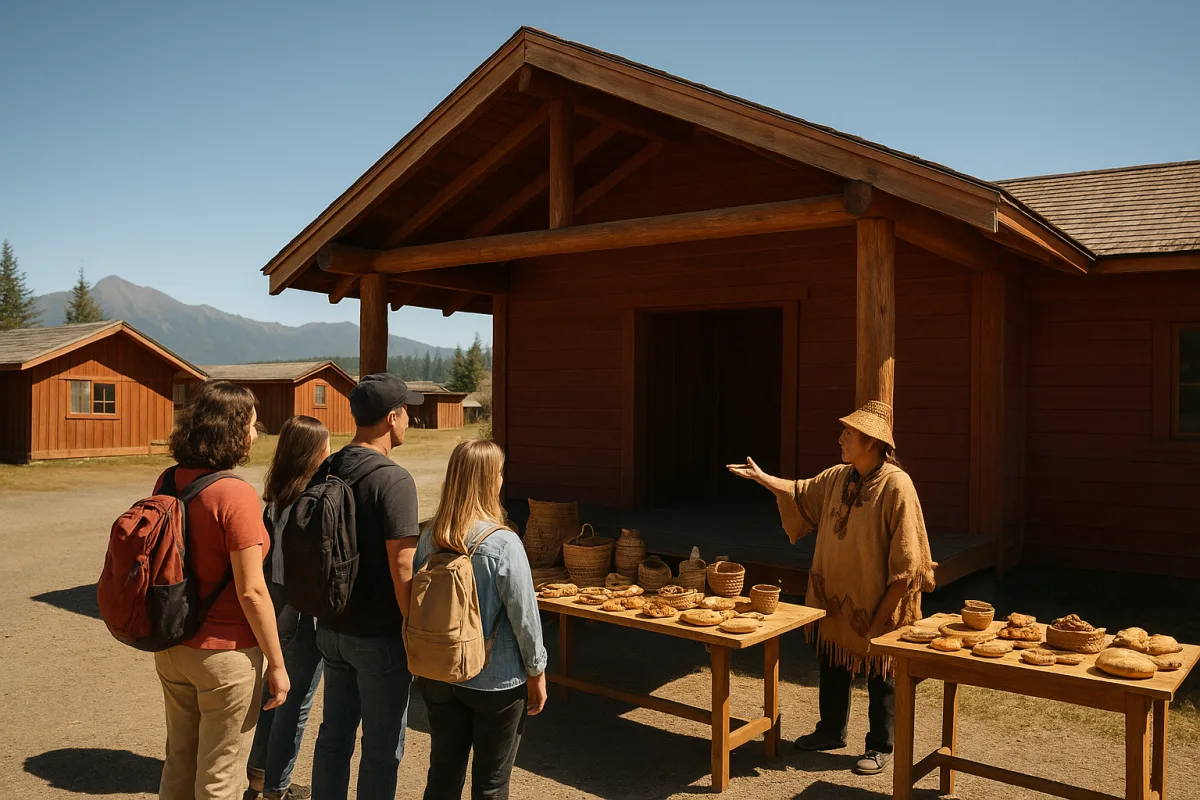
Indigenous and Local Community Tourism: How to Plan a Visit That Actually Benefits the Place
Decide what kind of visit you are looking for
You have a choice before you book anything: do you want a trip led by Indigenous people and local residents, or do you want a conventional itinerary with an Indigenous stop added to it? The first requires more planning, but your spending and time are more likely to stay in the community.
Look for a trip with a clear host. That can mean a tribal tourism enterprise, an Indigenous-owned lodge, a local guide, a community museum, an artist cooperative, or a cultural program operated with tribal approval. A business owned elsewhere may still employ local people, but it is not the same arrangement.
We would begin with Oregon if you want an easier first experience. Alaska can deliver extraordinary community-led travel, but distances, weather, aviation schedules, food access, and high operating costs can turn a loosely planned trip into a costly problem.
Start with the tribe or community, not a booking platform
Open Travel Oregon’s updated Experience Indigenous Oregon guide before searching general travel sites. The guide is intended to connect visitors with Indigenous cultural understanding and economic opportunity, and it is the clearest starting point for identifying Oregon tribal experiences and businesses. [8]
Use it to identify the tribe connected to the place you want to visit, then check that tribe’s own website, visitor information, or business listings. Look for details on open hours, advance reservations, photography rules, public events, and whether an experience is led by tribal members.
Do not read a general tourism listing as permission to enter tribal land. Some tribal facilities welcome visitors daily, while others are private workplaces, housing areas, government offices, or ceremonial grounds. If access rules are unclear, email or call before you drive there.
The Manila Times published a short item saying federally recognized tribes in Oregon had signed tourism agreements. No publicly documented 2026 agreements setting out visitor terms, revenue sharing, or community benefits have been identified, however. Plan from each tribe’s published offerings, not from that broad headline.
Build an Oregon trip around businesses that are open to you
Oregon works best when you add Indigenous-led stops to a route you already want to take. You might use the Experience Indigenous Oregon guide to find cultural sites, lodging, food, arts, and events, then book the places that publish visitor information and availability. [8]
Keep the schedule loose if you travel in summer or early fall. Oregon’s tourism economy has been hit by wildfire smoke, and Axios reported that smoke has imposed real costs on the sector. [2] A clear morning can become an unhealthy outdoor day, especially east of the Cascades.
That affects community businesses as much as large hotels. If smoke changes your plans, cancel within the stated policy, communicate early, and avoid demanding an exception from a small operator who may already have lost a week of bookings.
Do not assume Oregon has one statewide Indigenous-tourism system. Tribes are sovereign governments with different lands, enterprises, histories, and public-access policies. The guide helps you locate possibilities, but each community decides what it wants visitors to see and how.
Treat Alaska’s logistics as part of the visit
Alaska is where a community-owned tourism experience can require the most advance work. Flights can be weather-dependent, local transportation may be limited, and a missed connection can affect your lodging, meals, and host’s schedule for days.
Kivalina, an Iñupiaq community on Alaska’s northwest coast above the Arctic Circle, is a sharp example of why you cannot plan remote community travel as a last-minute add-on. Yes Theory’s visitors found no hotels or restaurants and arranged to sleep in a school after contacting the community.
Their experience also shows what can go wrong when travelers arrive without basic supplies. The team discovered that the local store was closed and had not brought food or bear spray. In a place with limited stock and no standard visitor infrastructure, those omissions become someone else’s burden.
Kivalina is also dealing with relocation to higher ground as erosion and storms threaten its narrow coastal site. In its reporting, Yes Theory documented residents preparing to move about seven miles inland, toward the K-Hill site, where some infrastructure, including a school, had been built.
This is not a reason to rush there for a “last chance” trip. It is a reason to ask whether the community has invited visitors, whether a visit fits current priorities, and whether you can arrive prepared enough not to consume scarce local capacity.
Book remote Alaska transport before you commit to the trip
Current access to Kivalina requires two flights: Anchorage to Kotzebue on Easy Fly Express, then a smaller local carrier from Kotzebue to Kivalina. Published current fares for those segments are not readily available, so ask the airlines directly before setting a total trip budget.
Do not build your itinerary around a same-day international, Lower 48, or cruise connection. Weather can affect both flights and local movement, particularly in winter. Give yourself buffer nights in Anchorage or Kotzebue, and confirm what happens if a flight is canceled.
Within Kivalina, transportation is limited to ATVs, snowmobiles, and boats. Arrange rides through local contacts or a community organization before arrival, and do not assume you can rent a car, call a taxi, or walk safely between every point you need.
Remote Alaska also has high daily operating costs. In Kotzebue, residents spend about 20 percent of income on diesel fuel, which supplies 75 percent of the community’s electricity, more than three times the national low-income average. [7] That pressure reaches lodging, food storage, transport, and small tourism operations.
Ask what your payment pays for
There is no reliable public menu of detailed costs for Indigenous and local community tourism initiatives in Alaska or Oregon. That means you should be wary of anyone presenting a neat, all-inclusive price without explaining transport, meals, permits, lodging, and weather contingencies.
Ask four direct questions before paying a deposit: Who owns the business? Who leads the experience? What does the price include? What stays in the community? A clear answer might include guide wages, boat fuel, food, facility upkeep, local transport, or cultural-program funding.
High prices are not automatically a red flag in a remote place. Small-group transport, fuel, insurance, gear, and staff time cost more when everything arrives by air or boat. The red flag is a seller who cannot explain the host relationship or treats culture as a backdrop.
We would pay a higher price for a small, locally controlled trip with clear terms over a cheaper package sold by a distant intermediary. You are buying access to someone’s time, knowledge, land, and working community, not an attraction with unlimited capacity.
Check who controls wildlife and land access
Wildlife trips need particularly careful vetting because animals, safety, privacy, and tourism revenue can collide quickly. Kaktovik, an Iñupiaq community on Alaska’s North Slope, has been working to restart polar bear tourism by 2027 under newly negotiated rules with the U.S. Fish and Wildlife Service. [3]
The push follows problems associated with earlier tourism growth, including overcrowding, residents’ privacy concerns, and safety risks, according to the Associated Press. [3] If you are considering polar bear viewing, choose an operator that follows the community’s current rules and has a defined plan for where visitors stay and observe.
Klawock Island offers a different model. Indigenous people have taken control of tourism infrastructure there, an approach reported by Lightwards as a first in community control. [4] Look for that kind of decision-making power, where the community governs facilities and visitor flow instead of merely supplying labor.
Do not expect an Indigenous guide to solve every access question created by federal or state policy. Alaska tourism development can face lengthy environmental assessments, zoning requirements, and permitting processes that add time and cost. [1] Those constraints can limit what a community can build, even when demand exists.
Follow the host’s rules once you arrive
Ask before photographing people, homes, boats, food preparation, graves, religious objects, children, hunting activities, or conversations. A camera pointed at a person you have just met can turn a welcome into an extraction.
Let residents set the pace of conversation. In Kivalina, Yes Theory’s crew found that some people did not want to speak with outsiders, while others chose to welcome them and share local history. That is the normal range of response, not a challenge for you to overcome.
Bring the supplies your host tells you to bring, including food if requested, outdoor gear, medication, and contingency cash where appropriate. Do not count on a store being open, reliable cell service, a restaurant, or the ability to replace forgotten equipment.
A regenerative-tourism campaign in Alaska is promoting longer stays and year-round support for Indigenous businesses. [5] If you have the time and invitation, spending an extra day with a locally owned provider can be better than cramming several communities into a rushed itinerary.
Spend in ways that leave the community stronger
Book directly when you can. Buy art from the artist or an authorized tribal shop, pay published fees promptly, and ask whether a tip is customary for guides. Do not bargain over a price that may reflect fuel, transport, and a limited number of trained local staff.
Avoid buying mass-produced “Native-inspired” goods at airport souvenir stores when you can identify work made by a named artist. A label stating the artist’s name, tribal affiliation when they choose to share it, materials, and place of production gives you a better basis for spending.
Funding can be fragile even for established Indigenous tourism organizations. The Indigenous Tourism Association of Canada paused operations in May 2026 after complete funding cuts and late payments, APTN reported. [6] That is a reminder that small visitor purchases and direct bookings can matter, but they cannot replace stable public investment.
Your best trip may look modest on paper: one guided outing, a meal at a local business, a tribal museum, an artist purchase, and enough time to follow the host’s schedule. We would choose that over a fast, photo-driven itinerary every time.
Frequently Asked Questions
How do I plan a visit that benefits Indigenous communities?
Begin by choosing trips led by Indigenous people or local residents, such as those operated by tribal tourism enterprises, Indigenous-owned lodges, or community museums. Prioritize spending and time with businesses that are clearly connected to the community to ensure your visit supports local economies and cultural preservation.
What should I consider when booking Indigenous-led tours?
Look for tours with a clear Indigenous host and confirm details like open hours, advance reservations, photography rules, and whether the experience is led by tribal members. Avoid operators promising unrestricted access to villages, wildlife, ceremonies, or private cultural sites, as these claims often disregard community protocols.
How can I find authentic Indigenous tourism experiences in Oregon?
Use Travel Oregon’s Experience Indigenous Oregon guide to identify tribal enterprises and cultural experiences. Then check each tribe’s own website or visitor information for specifics on access, events, and policies. Remember that each tribe is sovereign with different public-access rules, so verify access before visiting.
What logistics are involved in visiting remote Indigenous communities in Alaska?
Visiting remote communities like Kivalina requires careful advance planning, including booking two separate flights, Anchorage to Kotzebue, then Kotzebue to Kivalina, and arranging local transportation such as ATVs or boats through community contacts. Weather and limited infrastructure can cause delays, so build in buffer time and confirm contingency plans for cancellations.
How do I ensure my tourism spending supports local Indigenous businesses?
Start by engaging directly with Indigenous-run guides, tribal tourism offices, and community-owned businesses rather than general travel platforms. Ask what your payment supports before booking, especially in rural Alaska where transport and operating costs are high, to confirm that your spending benefits the local community.
How we researched this
This article was assembled from 1 video source, 2 published articles, 8 cited references.
Nothing here is based on hands-on testing. Where a figure or finding appears, it belongs to the source cited beside it, and the writing says so rather than implying otherwise. Every source is listed below so you can check it.
Sources
"we have to leave" - 72 hours in the US town about to disappear, Yes Theory
55 Thoughtful Gifts for Men Who Love to Travel, CN Traveler
Federally Recognized Tribes in Oregon Sign Tourism Agreements, The Manila Times
A tiny Arctic village in Alaska is trying to revive its polar bear tourism industry
Indigenous Community Controls Tourism for First Time · Lightwards
Alaska Unites Regional Boroughs in 2026 Tourism Push Targeting Longer Stays and Regenerative Travel
DOGE cuts cost tribes $470M, gutting funding for climate projects | Grist
Travel Oregon Publishes Updated ‘Experience Indigenous Oregon’ Guide - Travel Oregon
Watch Indigenous and Local Community Tourism Initiatives on Youtube
Related Articles
Cultural Experiences in Indonesia and Scotland
Discover cultural experiences in Indonesia and Scotland, exploring local traditions and unique activities for immersive travel.
Off-Grid Travel Experiences: Cultural and Practical Insights
Explore off-grid travel experiences with tips on tent living, boat living, and visiting unique cultural communities.

Exploring Prosper: Silicon Valley's Private City in Honduras
Yes Theory explores Prosper, a private city in Honduras created by Silicon Valley minds. They uncover its unique governance model, meet locals, and reflect on the future of human progress amidst government scrutiny.

First-Time Travel: Yes Theory Takes UK Citizen on Spontaneous Trip to Sao Paulo
Yes Theory partners with Citizen M Hotels to surprise Zakaria, a UK citizen who's never traveled, with a spontaneous trip to Sao Paulo, Brazil. Follow Zakaria's first-time flying experience and the team's journey in this thrilling episode of adventure and transformation.