
Cheap Broadway Tickets New York: Discounts, Lotteries & Tips
Learn how to get cheap Broadway tickets in New York with tips on lotteries, rush tickets, TKTS discounts, and planning your theater night wisely.
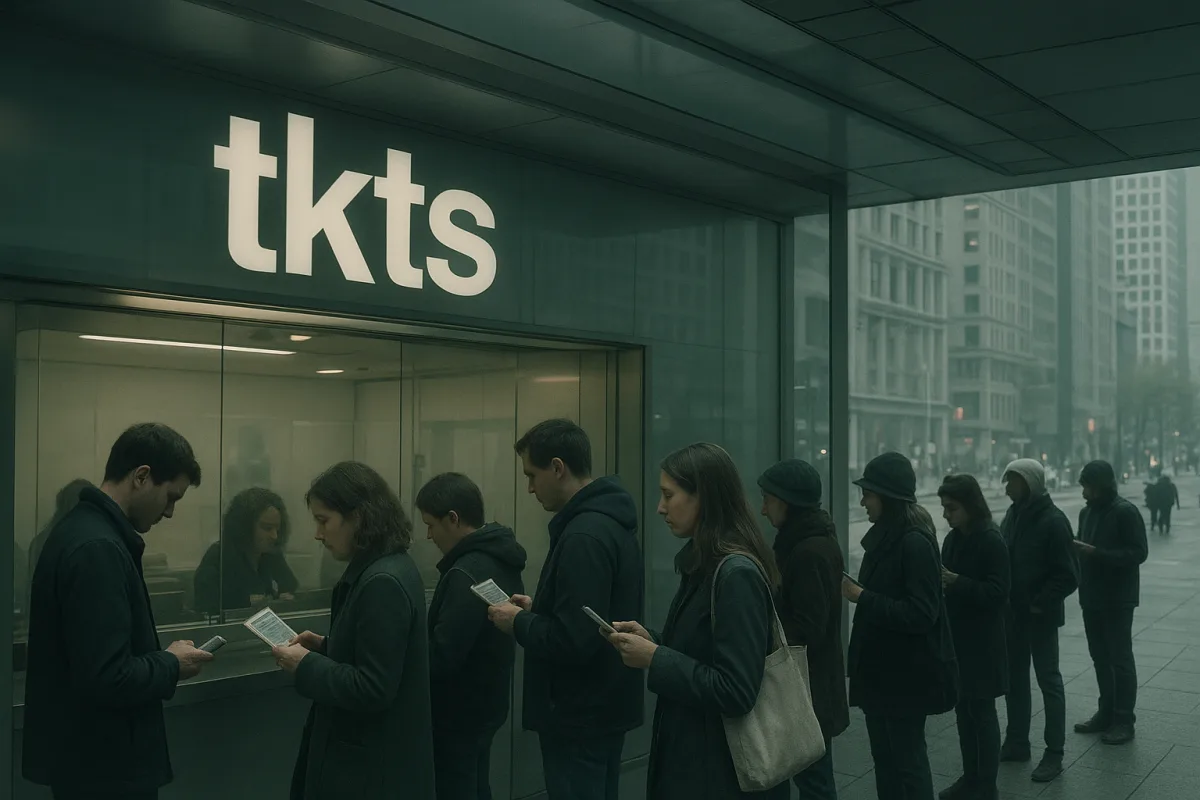
The New York mistake is treating “cheap Broadway tickets” as one thing
Creative Travel Guide rightly suggests looking beyond full-price Broadway seats, naming rush tickets, lotteries, and same-day deals as alternatives. The mistake is assuming they work alike, or that each reliably produces a cheap ticket.
They do not. Broadway’s discounted-ticket options are separate distribution systems, each with different timing, prices, queues, and risks. A visitor who understands that distinction can set a realistic budget and avoid sacrificing an entire day to an uncertain bargain.
The useful question is not, “How do I get cheap Broadway tickets?” It is: “What am I willing to trade for a ticket, certainty, time, flexibility, or money?”
That matters in New York because the show is usually only one part of the evening. You may have spent the day walking Central Park, crossing boroughs, or visiting museums. By curtain time, another hour in a line can be a worse deal than it looked online.
Lexie Limitless’s long Manhattan walk is an exaggerated example, but a practical one. The channel’s route from northern Manhattan to Battery Park showed how quickly heat, rain, distance, and a shortage of convenient resting places change a day’s plan.
New York City has installed more than 2,600 benches and leaning bars, according to the city information in the research brief, but seating is not evenly mapped or distributed. A discounted-ticket strategy that assumes you can comfortably wait anywhere is therefore a poor one.
First, choose what you are actually trying to buy
There are three common Broadway priorities. You may want one particular production, the lowest possible price for any show, or simply an evening performance on a specific date. Trying to satisfy all three usually causes frustration.
If a particular production matters most, full-price seats or a planned discount route are the safer choices. Lottery and rush tickets can work, but they are not a reservation system and should not be treated as one.
If cost matters most, lotteries are the headline option. Prices can be remarkably low, including $10 Hamilton lottery tickets, but other lotteries can cost as much as $55. That is an appealing range, not a promise of availability. [4]
If your priority is simply seeing a Broadway show tonight, TKTS may be more useful. Its booths sell eligible same-day tickets at discounts of up to 50%, but the selection is determined by unsold inventory, not by your personal wishlist. [4]
The distinction is important. A $10 lottery ticket is cheaper than a 50%-off TKTS ticket only if you win it, while a TKTS ticket is useful only if an acceptable show appears in the day’s inventory.
Lottery tickets: cheap, but not a plan you can guarantee
A lottery is a chance to purchase a limited number of discounted tickets. You enter before the stated deadline, then the production notifies selected entrants, who must complete the purchase under that show’s rules.
The low advertised price is real, but it describes the price for winners, not the cost of guaranteed admission. Hamilton, for example, lists lottery tickets from $10, while other Broadway lotteries can reach $55. [4]
That spread should correct the idea that a lottery means “a $10 Broadway ticket.” It means a variable-price chance to buy a ticket at a discount, with the exact price tied to the individual show.
The important unknown is quantity. Research for 2026 found no comprehensive public data showing how many lottery tickets each production offers on a particular day, or what entrants’ odds of success are. [4]
That uncertainty determines the sensible way to use a lottery. Enter if you would be pleased to win, but do not make it the foundation of an evening that must end with a specific curtain time.
A practical budget is two-tiered: your lottery price, plus the maximum you would pay if you lose. If the fallback price feels unreasonable, choose another plan before the draw rather than making a stressed decision at 5 p.m.
This is the same basic logic Wolters World applies to limited-edition merchandise at New York Comic Con. The channel advises arriving early only for genuinely scarce exclusives, not treating every item as worth an hours-long queue.
Broadway is not Comic Con, and a theatre lottery is not a convention line. Still, the planning lesson travels well: scarcity should be a deliberate choice, not an accidental way to spend your day.
Rush tickets: the price is clearer, the access is not
Rush tickets are discounted seats released shortly before a performance, either at the box office or through a digital process, depending on the production. They are generally priced around $25 to $53 in 2026. [4]
The range matters. The Great Gatsby offers box-office rush tickets as low as $25, while The Book of Mormon’s digital rush tickets cost $53. Neither price establishes what another show will charge. [4]
Rush is therefore not one citywide deal. It is a show-by-show policy, and visitors should check the specific production’s current rules before deciding whether an early start is worthwhile.
Box-office rush can reward someone who is already in Midtown and has time to spare. It is less attractive when the line requires a separate trip, an early morning alarm, and the loss of a museum visit or a relaxed breakfast.
Digital rush removes the physical queue, but it does not remove competition. It simply moves the contest to a release time and an online system. The research brief finds no comprehensive evidence that digital access has made tickets predictably easier to obtain. [4]
This is where visitors often make the wrong comparison. They compare rush only with the listed price of a standard ticket, rather than including the cost of their time, transportation, and a potentially wasted journey.
New York’s subway fare is a flat $3 per ride, with a $35 weekly cap, according to NYC Travel Guide’s 2026 fare breakdown. [8] Two extra subway rides are not financially ruinous, but an unnecessary Midtown detour can consume an hour.
Standing room: cheap only if you can stand
Standing-room-only tickets are another category entirely. They are generally sold at the box office, depend on the show, and may be available only when regular seats are sold out. [4]
That last condition makes standing room especially unsuitable as a primary plan. You cannot assume it will be offered, and you cannot assume the production you want will have any available.
It also requires an honest assessment of your day. Standing through a performance after spending eight hours sightseeing is different from standing after a quiet afternoon near the theatre district.
Creative Travel Guide recommends allowing time to wander rather than trying to complete New York as a checklist. That advice has a direct ticketing application: do not schedule a long cross-city day and a standing-room gamble as though neither has a physical cost.
October is often a more manageable walking month than summer, with average highs around 63.3°F, lows near 51.8°F, and roughly seven rainy days reported in seasonal forecasts. [13] Even then, rain layers and dry shoes matter if a box-office queue is part of the plan.
TKTS: a same-day market, not a secret menu
TKTS sells same-day tickets from productions that have inventory to release. Discounts can reach 50%, but “up to” is the key phrase, and selection changes according to unsold seats. [4]
This makes TKTS the most flexible option for a visitor who wants a show, rather than a particular show. You look at what is available, decide whether the price and title work, and buy only if they do.
It is not the right system for someone determined to see one major production. If that show does not appear, there is no clever workaround. You either choose another title, pay through another channel, or skip theatre that night.
A good TKTS user has a short list, not a single target. Pick three or four shows you would genuinely enjoy, plus a ceiling price. That turns inventory variability into choice instead of disappointment.
Do not confuse a discount with value automatically. A 50% reduction on a show you did not want can still be a poor purchase, particularly if you are passing up a neighborhood dinner, gallery, or concert you preferred.
CN Traveler’s current New York art roundup is useful as a reminder that a failed theatre plan need not mean a wasted evening. Its listings include the New Museum’s Bowery: Devil’s Mile, running through January 31, 2027, and the Museum at FIT’s Art of Manga, through January 31, 2027.
Those are not substitutes for Broadway, and they operate on their own admission and scheduling rules. They are, however, examples of why a visitor should avoid treating one ticket outcome as the only possible use of a New York night.
Build a Broadway evening around a fallback, not false certainty
Start by locating your daytime plans sensibly. If you are attempting box-office rush or visiting TKTS, avoid scheduling a far-flung attraction immediately beforehand. Give yourself time for transit, weather, and a decision if the ticket does not materialize.
There is no precise 2026 evidence proving a taxi is always faster or slower than the subway on typical Manhattan journeys. Traffic is variable, subway trains are busiest around 7:30 to 9:30 a.m. and 4:30 to 6:30 p.m., and taxis face congestion. [8]
Congestion pricing, introduced in January 2025, can affect taxi costs in the central business district during peak periods. [2] For a Broadway evening, the practical point is simple: do not assume a cab will rescue an overpacked schedule.
If you win a lottery, buy rush tickets, or find a suitable TKTS seat, you have your show. If not, have dinner nearby, walk through Hell’s Kitchen or Bryant Park, or choose another cultural plan without treating the day as a failure.
The cheapest Broadway strategy is often a lottery. The most dependable low-price strategy may be TKTS, if you are flexible. Rush suits visitors willing to exchange time for a show-specific chance, while standing room suits only those prepared to stand.
Knowing which trade you are making is the insider tip. New York rewards flexibility, but it charges for indecision.
Frequently Asked Questions
How can I get cheap Broadway tickets in New York?
Cheap Broadway tickets come from four main systems: lotteries, rush tickets, TKTS booths, and standing-room-only options. Lotteries offer tickets from about $10 to $55, rush tickets range roughly $25 to $53, and TKTS booths sell same-day unsold tickets at up to 50% off. Each method has different timing, availability, and risks, so your choice depends on your priorities for price, certainty, and show selection.
What are the differences between Broadway lotteries, rush tickets, and TKTS?
Lotteries let you enter for a chance to buy discounted tickets at a set price but with no guarantee of winning. Rush tickets are discounted seats released shortly before a show, either at the box office or digitally, with prices varying by production. TKTS booths sell same-day tickets at discounts up to 50%, but only for shows with unsold inventory that day. Each system operates independently with different rules and availability.
Is it reliable to plan a Broadway show around ticket lotteries?
No, it is not reliable to base your plans solely on winning a lottery. There is no public data on how many lottery tickets are available or your odds of success. It is best to enter lotteries as a bonus option while having a backup plan and budgeting for a fallback ticket price if you do not win.
What should I consider when choosing discounted Broadway tickets?
Decide first whether your priority is a specific show, the lowest price, or simply seeing a show that evening. If you want a particular production, full-price or planned discounts are safer. If cost is most important, lotteries offer the lowest prices but with uncertainty. For same-day flexibility, TKTS can provide discounted tickets but depends on what is available that day.
Are standing-room-only tickets a good option for Broadway shows?
The article and research brief mention standing-room-only tickets exist and are generally sold at the box office, but they do not provide detailed information on their pricing or quality. Therefore, no specific guidance on their value or suitability is available.
How we researched this
This article was assembled from 3 video sources across 3 channels, 1 published article, 14 cited references.
Nothing here is based on hands-on testing. Where a figure or finding appears, it belongs to the source cited beside it, and the writing says so rather than implying otherwise. Every source is listed below so you can check it.
Sources
I Tried Walking the Length of NYC (Everything Went Wrong) — Lexie Limitless
Don't Make These Mistakes at New York Comic Con — Wolters World
10 Things you should NEVER do in New York City — Creative Travel Guide
The Best Art Exhibits in New York City Right Now Celebrate Dolls, Dancing, and Downtown Characters — CN Traveler
New York City is building more public toilets and launching an online locator so you can find them
Public transit gains and spatially uneven travel demand changes after NYC congestion pricing
Cheap Broadway Tickets 2026: TKTS, Lotteries, Rush & What Works | New York Explained
East River Esplanade - Park South, Sutton Pl S, New York | Corner
Central Park Full Presence Loop — New York · PureSoul Walking
JFK Airport Transfer Guide - Honest Advice for Getting to Manhattan
How to Get Around NYC: What Every Option Actually Costs in 2026 — NYC Travel Guide
NYC Comic Con 2026 returns to the Javits Center with thousands expected to attend - CBS New York
NYCC 2026: New York Comic Con Panel Reservations Open Today (For Some) – COMICON
New York Comic Con 2026 | Dates, Tickets, Guests, Schedule, Events & Facts – The Global Statistics
New York Comic Con 2026: Tickets, Reservations, Badge Activation & Javits Center Guide | NYC Dayline
Watch New York City Travel Tips and Experiences on Youtube
Also from the sources
Related Articles
Germany City Travel Guides and Itineraries for Top
Explore detailed Germany city travel guides and itineraries covering Munich, Berlin, Leipzig, and Bremen with tips on attractions and transport.

Travel Budget and Deals 2026: Best Discounts and Tips
Discover top travel budget tips and deals for 2026, including flight promos, safari packages, and gear discounts to save on your next trip.

Travel Dos and Don'ts in European Cities: Essential Tips
Discover essential travel dos and don'ts in European cities, including budgeting, safety, and booking tips for a smooth trip.
Mexico City Travel Safety Tips and Warnings for Tourists
Get essential Mexico City travel safety tips, neighborhood advice, and warnings to help tourists navigate the city safely in 2026.