
Travel Challenges and Experiences in Nigeria
Explore travel challenges in Nigeria, including safety, costs, domestic flight delays, and the realities of visiting northern regions and animal
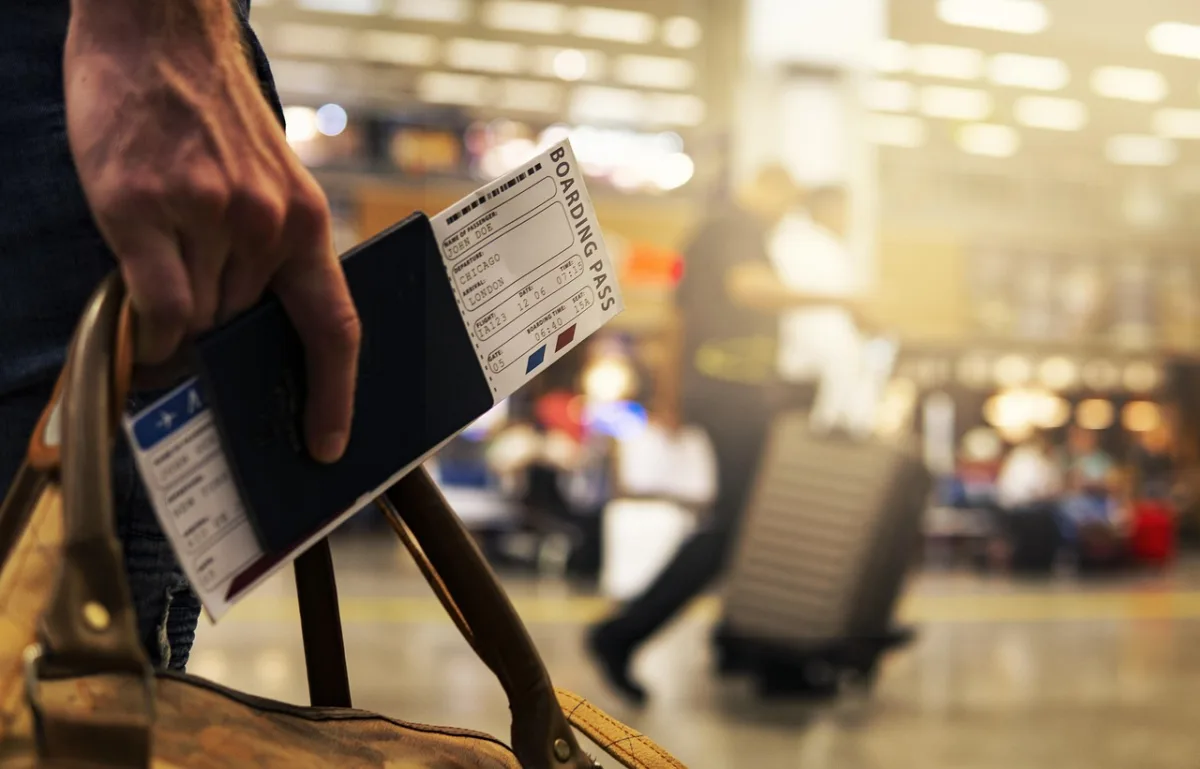
Photo: JoshuaWoroniecki via Pixabay
The 250,000-naira number is not a ticket price
The 250,000-naira demand comes by phone, before the drive from Kano toward Daura near Nigeria’s Niger border. Drew Binsky reported that the group’s leader requested the money to allow a visit to the hyena handlers.
That figure has the shape of a tour price, but it does not operate like one. There is no published rate card, fixed itinerary, booking platform, receipt standard, insurance arrangement, or stated refund policy attached to it.
In Binsky’s account, the proposed payment appeared to be an access fee demanded by the group’s leader. It was not presented as including transportation, a trained guide, lodging, meals, security support, or permission to handle animals.
For a traveler on a budget, that distinction changes the arithmetic. Nigeria’s reported budget daily costs run from 60,000 to 90,000 naira, so 250,000 naira equals roughly 2.8 to 4.2 budget-travel days before transport or accommodation. [11]
Against the reported mid-range range of 90,000 to 180,000 naira a day, it is about 1.4 to 2.8 days. [11] The fee may be negotiable or may pay a group’s earnings for the day, but neither point is documented.
You also cannot assume the price buys a predictable encounter. The handlers travel between towns, perform in temporary locations, and may be difficult to locate even with local help, according to Binsky’s reporting from northern Nigeria.
That setup makes the organizer central. A local contact can identify where the handlers are, find out whether they are currently performing, arrange a vehicle, and explain the expectations of the group and its leader.
It also leaves you exposed to a familiar informal-travel problem: the person taking your payment may control entry, but not the route, the checkpoints, local sentiment, animal behavior, weather, or whether the group has moved again.
What you are paying to see
Northern Nigeria’s hyena handlers are traveling performers who use hyenas, monkeys, snakes, and other animals in street shows. Reports describe a tradition passed through generations, with performers also selling traditional medicines. [6][7]
The performance is built around spectacle and danger. In the footage published by Drew Binsky, a chained hyena was taunted and dragged through a crowd, while a monkey on a leash and a snake formed part of the group’s act.
Crowds in the town visited by Binsky said they enjoyed the show. Some spectators also said they felt sorry for the animals, a response that captures the uncomfortable split between local entertainment, inherited livelihood, and animal-welfare concerns.
The handlers in that report described sleeping close to their animals in secluded temporary camps. Their mobility is partly commercial, moving to where crowds and earnings are available, and partly shaped by communities’ fear of keeping dangerous animals nearby.
That is why a traveler should not frame this as a wildlife experience. It is a street performance involving captive animals, run by people whose income depends on attracting attention and collecting money in places where they temporarily stop.
Reports on the tradition say handlers often capture young hyenas from the wild. [7][8] A permit system has been reported, but authorities have not publicly set out a clear process for how permits are issued, what they cover, or how conditions are inspected. [8]
That missing information matters more than a printed permission letter. A permit could authorize possession, transport, or performance, but travelers have no publicly documented way to verify the animal’s origin, veterinary care, handler training, or crowd-control arrangements.
Nigeria’s legal framework is tougher on paper than the casual street setting may suggest. The Endangered Species Act allows fines up to 5 million naira and up to one year in prison for offenses involving protected species. [13]
The Nigerian Criminal Code also provides penalties for animal cruelty of up to six months’ imprisonment or a 50-naira fine. [3] The law’s low fine reflects its age, while the possible jail term is the more meaningful penalty.
None of those statutes answers a visitor’s immediate question, which is whether this particular group is authorized and operating safely. No published record sets out recent prosecutions of hyena handlers or inspection results for touring animal performances.
We would skip paying for this experience. The reported 250,000-naira demand buys access to an event Binsky found upsetting to witness, while the legal status, animal-care standards, and traveler protections remain too unclear.
The price also includes a route through northern Nigeria
The road north from Kano carries costs that do not fit on a ticket. In Drew Binsky’s report, the drive involved checkpoints, loss of phone signal outside urban areas, and uncertainty about who controlled the roads ahead.
His group also encountered a sanitation-day restriction in Kano, when vehicles were barred from moving during a monthly cleaning program. A police officer took the driver’s key, delaying the route before the group could leave.
That detail is small but revealing. An informal wildlife visit depends on local calendars, policing, road conditions, the group’s current location, and your ability to communicate, none of which a fee paid to performers can control.
The U.S. State Department assigns Nigeria an overall Level 3 advisory, urging travelers to reconsider travel, and applies Level 4, Do Not Travel, guidance to some northern states. [2] Check the current advisory before fixing any overland plan.
Binsky’s guide and local companion referred to risks from Boko Haram and criminal kidnappings on the northern route. Those concerns should shape your route planning, because a stop that seems geographically close can involve security conditions far beyond ordinary sightseeing logistics.
No published tourist protocol sets out safe distances from the animals, liability if a handler loses control, insurance coverage for a bite, or a recognized operator standard for these performances. That leaves the visitor to assess risks without a reliable framework.
If you still go to Kano, keep the hyena show separate from the city itself. Kano is a major northern commercial center with Hausa as a dominant regional language, alongside Fulani, Kanuri, and many other communities and languages.
The show is not northern Nigeria distilled into one image. It is one contested livelihood within a region whose cities, food, markets, languages, faiths, and security conditions demand more care than a quick encounter built for spectacle.
Domestic flights have their own reliability premium
The same lesson applies after you leave the road and return to an airport. A domestic airline fare looks formal, but a confirmed ticket does not erase the cost of delay, rerouting, missed accommodation, or a disrupted onward connection.
Nigeria’s aviation safety performance has improved. The Guardian reported that the country reached a 91.45% International Civil Aviation Organization safety rating in April 2026. [4] That measures regulatory oversight, not whether a flight will depart on schedule.
The operational numbers are harder on an itinerary. The NCAA reported that 59.8% of domestic flights were delayed in August 2026, according to Legit.ng, and named United Nigeria Airlines as the worst performer at 76%. [5]
Airlines contest the regulator’s delay statistics and argue that causes can be inaccurately assigned. The reported underlying pressures include grounded aircraft, pilot shortages, airport congestion, and aviation-fuel costs that have risen sharply. [10]
For you, the cause rarely changes the immediate expense. A late flight can mean another night in a hotel, extra meals, a lost prepaid booking, or an alternative road journey, with no published nationwide figure for the average passenger loss.
United Nigeria’s 2023 wrong-city episode shows why you should watch the details around a flight. Flight 0504 departed Lagos for Abuja on November 26 but landed in Asaba, about 200 miles away, before continuing to Abuja.
The airline initially blamed poor weather and an incorrect cabin announcement. View from the Wing reported that executive chairman Obiora Okonkwo later said a dispatcher had entered the wrong destination and called the weather explanation “just a lie.”
The aircraft was an Airbus A320 operated by Bulgarian charter company Fly2Sky for United Nigeria. Fly2Sky said United Nigeria had assigned the Lagos-to-Asaba route the day before and had not requested a change during the crew’s preflight briefing.
That case was exceptional, but it illustrates the chain behind an ordinary flight: dispatch prepares paperwork, pilots use the information provided, cabin crew communicate destination details, and airline staff must correct failures honestly when they happen.
The NCAA reported a 65% complaint-resolution rate in 2025 and a target of 90% by the end of 2026. [14] In September 2026, the regulator directed United Nigeria to improve operations and respect passenger rights. [15]
We would pay for a domestic flight when it meaningfully cuts travel time, but put no nonrefundable tour, wildlife visit, or international connection immediately after it. The reliability premium is often paid in time, not naira.
Frequently Asked Questions
What are the main travel challenges in Nigeria?
Travelers in Nigeria face several challenges including unreliable domestic flight schedules, with nearly 60% of flights delayed as reported by the NCAA in August 2026. Informal access payments and unclear pricing are common in some tourist experiences, such as visiting hyena handlers in northern Nigeria. Additionally, security conditions in northern regions can be unpredictable, affecting trip viability.
How reliable are domestic flights in Nigeria?
Domestic flights in Nigeria often experience significant delays. The NCAA reported that 59.8% of domestic flights were delayed in August 2026, with some airlines like United Nigeria Airlines having delay rates as high as 76%. Passengers should allow at least a full day of slack when planning travel within the country, as ticket purchase guarantees a seat but not schedule reliability.
What should travelers know about visiting northern Nigeria?
Travelers should be aware that northern Nigeria’s hyena handler performances are informal street shows involving captive wild animals, with no clear public oversight on permits, safety, or animal welfare. The performers are mobile and may be difficult to locate, and security conditions in the region can change rapidly, potentially impacting travel plans. Visitors should not consider these performances as regulated wildlife experiences.
Are hyena handler performances safe and ethical for tourists?
The safety and ethics of hyena handler performances are unclear and concerning. The animals are often captured from the wild and kept in temporary camps with little public information on veterinary care or handler training. There is no published evidence of formal safety standards or animal welfare enforcement, and the performances involve chained and restrained animals, raising ethical questions.
What security risks should travelers consider in Nigeria?
Security conditions, especially in northern Nigeria, can be unstable and may affect the feasibility of travel plans. Travelers should be cautious about informal arrangements that do not guarantee safe passage or protection. The lack of clear regulatory oversight on some tourist activities and changing local sentiments can also pose risks.
How we researched this
This article was assembled from 1 video source, 1 published article, 15 cited references.
Nothing here is based on hands-on testing. Where a figure or finding appears, it belongs to the source cited beside it, and the writing says so rather than implying otherwise. Every source is listed below so you can check it.
Sources
I Confronted Nigeria's Hyena Handlers (Illegal Gangs), Drew Binsky
United Nigeria Airlines Flew Passengers To The Wrong City, 3 Years Later, Chairman Admits They Lied About It, View from the Wing
(Not) up in the air: Travelers' trepidations spike as Thanksgiving nears and tech hiccups abound
Section 490-507 of the Nigerian Criminal Code Act - LawGlobal Hub
Tinubu hails Nigeria’s record 91.45% ICAO safety rating, urges sustained momentum
NCAA Exposes Scale of Flight Delays by Airlines in Nigeria - Legit.ng
Meet the Hyena men of Northern Nigeria who perform dangerous stunts with hyenas | Pulse Nigeria
Nigeria’s hyena men put maligned animals centre stage | The Mighty 790 KFGO | KFGO
Inside Nigeria’s Flight Delay Crisis: Why Grounded Aircraft Leave Passengers Stranded
Safety and security concerns on ecotourism activities in some ecotourism destination in Nigeria
ENDANGERED SPECIES (CONTROL OF INTERNATIONAL TRADE AND TRAFFIC) ACT | Nigerian Laws, Podus
NCAA Hits 65% Complaint Resolution, Targets 90%… | Nigeria Aviation Report
NCAA ORDERS UNITED NIGERIA TO IMPROVE FLIGHT OPERATIONS, RESPECT PASSENGER RIGHTS. NCAA
Watch Travel Challenges and Experiences in Nigeria on Youtube
Related Articles

Travel Safety and Challenges in Underrated Destinations
Learn key travel safety tips, budget advice, and logistical challenges for exploring underrated destinations confidently and securely.
Lesotho Motorcycle Travel Challenges and Safety Tips
Explore Lesotho motorcycle travel challenges, safety tips, and planning advice for remote routes and budgets in Africa's highlands.
New Travel Experiences in Europe
Discover new travel experiences in Europe with tips on destinations, transport, budgets, and timing for Amsterdam, Salzburg, Galway, and the Highlands.

Travel to Restricted Destinations: Tips for 2026 Trips
Learn how to plan travel to restricted destinations like Turkmenistan with budgets, logistics, and current restrictions for 2026 trips.