
Living Abroad Experiences
Explore living abroad experiences through travel stories, tent living, and working holiday visas. Learn about costs, challenges, and lifestyle trials.
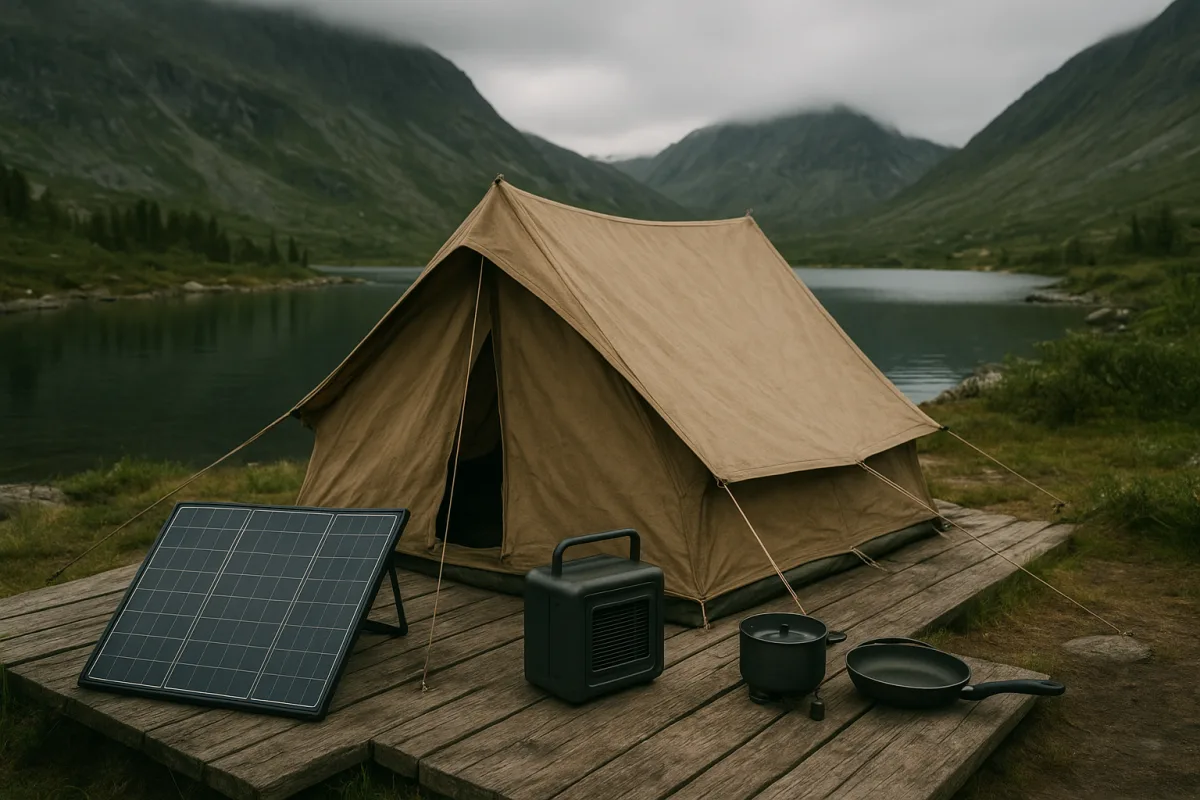
The shift: travel stories are becoming trial runs for a different life
Travel storytelling is moving away from the clean break, the dream relocation and the supposedly effortless cheap escape. The newer pattern is more cautious: people use a trip, a caravan, a tent or a temporary visa to test a lifestyle that might not survive winter, paperwork or ordinary Tuesday routines.
The evidence is not strong enough to call this a measured market-wide migration trend. These are creator stories, not representative surveys. Still, several independent travel channels are arriving at the same conclusion from very different places: the appeal lies in partial escape, while the practical constraints remain stubbornly real.
Eva zu Beck’s move into a large canvas tent is presented as a choice to spend more time outdoors on her land, rather than a claim that tent living is easy. The tent weighs about 150kg overall, with a canvas section she estimates at roughly 50kg, making solo assembly a physical project rather than a weekend pastime.
Travel Beans reaches a comparable point from the opposite end of the budget. Its Swiss family trip shows that cheaper accommodation can be a compromise rather than a bargain: a three-night caravan stay cost £569, or about £177 nightly, even though it was reportedly the cheapest option found nearby.
Backpacking Bananas adds a third version of the same uncertainty. A British creator living in Sydney describes Australia as a place that may suit the current phase of life, while a sunny return to Surrey exposes the emotional and administrative cost of keeping a life active in two countries.
The common thread is not minimalism. It is reversible commitment. A tent can be seasonal, a caravan can be booked for three nights, and a Working Holiday visa has an expiry date. Each allows a person to try a different rhythm without immediately buying a house or closing every door behind them.
Why this is happening now
Housing costs, remote work and social media have all made alternative living look more imaginable. Yet the more interesting change is editorial. Travel creators are increasingly including the unglamorous details that older aspirational travel content often skipped: a tiny sink, a bad staircase, a crowded pitch, bank transfers and the loneliness of working from home.
The appeal is especially clear for families and solo workers who want nature without giving up all infrastructure. Travel Beans’ Swiss cottage story makes a kitchen central to the trip because cooking avoids restaurant prices in a country where eating out quickly distorts a family budget.
That is a different proposition from wilderness travel. It is a search for a base with enough comfort to work, cook, sleep properly and manage children, but with views, walks or a slower pace just outside the door. The cottage, tent and caravan are all attempts to negotiate that balance.
The reality check matters because social platforms make compact spaces look easier than they are. The Travel Beans cottage had low beams, uneven stone floors, narrow stairs and cramped living space. Those details are not trivial for a longer stay, particularly with young children, older travellers or anyone carrying luggage.
Research on small homes also points to problems that do not appear in a short rental tour: moisture, ventilation and mould risks, specialised compact fittings that wear out, difficult access to lofts, and a narrower resale market. [2] A photogenic small dwelling may be a poor long-term home if daily access is hard.
Tent living: the project is larger than the tent
The tent story has become a useful symbol of this trend because canvas looks both affordable and emotionally uncomplicated. Eva zu Beck’s account makes the attraction understandable: more room than a bell tent, space for a proper bed and desk, and the sense of sleeping closer to the weather and landscape.
But the practical version begins with scale. A Kodiak Canvas 10x14 ft Flex-Bow Deluxe costs $799.99, provides 140 sq ft of space and has a 6 ft 6 in ceiling. At roughly 80lb packed, it suits vehicle-based campers who want standing room without installing a semi-permanent structure.
Kodiak’s larger 12x16 Cabin Lodge Tent SR costs $1,399.99, covers 192 sq ft and has a 7.5ft peak height. At around 120lb packed and with stove-ready provision, it is better suited to longer stays, colder-weather camping and people who can transport substantial gear.
The Stout Tent Ultimate Bell Tent starts at $759 and uses USA-sourced cotton canvas, with a lifetime warranty advertised by the manufacturer. It suits buyers who prioritise the traditional bell-tent format and repairable long-term ownership, although the starting price will not necessarily cover every size or option.
CanvasCamp’s Sibley Traveler has no price supplied in the research brief, so it would be misleading to invent a comparison figure. The technical-cotton model is designed for mobile campers rather than a fixed seasonal base, and its 285g/m² fabric is aimed at lower-weight transport. [1]
The Glawning Triple Door Tent 2026 costs £799 and is designed as a modular glamping structure with drive-away capability. It suits festivals, group trips and people who want a flexible social tent, rather than someone expecting an ordinary domestic room with insulation and built-in services.
Those are sticker prices only. They do not include land, deck or foundation work, furniture, delivery, heating, cooking equipment, electrical connection, water, wastewater handling, insurance or permission. A tent becomes a dwelling through the expensive bits around it, not through the initial canvas purchase.
The UK is particularly important here because informal assumptions about “temporary” living can be wrong. Planning Aid England says living in a caravan or other moveable structure normally requires planning permission when it is used as a residence, and local circumstances determine the decision. [4]
The research brief further notes that full-time residence in a canvas tent on non-residential UK land generally needs permission beyond 28 days, while shepherd’s huts may be treated as caravans. Fire-safety obligations can also apply, so a deck that has lasted three summers is not evidence of legal permission.
France can be more accommodating in some areas under its habitat léger framework, but local mairie approval still matters. The Netherlands treats tiny houses as full dwellings under the Omgevingswet, while Germany commonly requires permits and high energy performance. “Europe” is not a usable planning category.
Switzerland: cheap accommodation is relative
Switzerland is where the trend’s financial contradiction is most visible. Travel Beans’ caravan story is honest about the mismatch between expectation and cost: £177 a night for a tightly packed family caravan feels expensive because it is expensive, even when compared with substantially pricier hotels nearby.
That does not mean Swiss camping is always poor value. According to the 2026 camper guide from Mobility Autopay, basic campsites generally run CHF 20 to CHF 30 nightly for a two-person tent pitch, and standard sites with electricity and washing facilities are usually CHF 30 to CHF 50. [5]
The season and region decide whether that remains a budget option. Alpine sites typically run CHF 35 to CHF 65 in high season, while lakeside locations around Geneva and Zurich can cost CHF 40 to CHF 70. Off-season rates can be notably lower, if the site is open. [5]
For a low-cost benchmark, Camping Rendez-vous Kandersteg is listed at CHF 18 to CHF 22 in high season, while Camping Hasenweide in Lenk is listed from CHF 10 to CHF 12 depending on caravan size. TCS Camping Estavayer La Nouvelle Plage is listed at CHF 15 to CHF 42. [5]
Those rates should be checked directly before booking. Electricity, showers, local tourist taxes, vehicle charges and extra occupants may be separate, and availability is the other constraint. A cheap pitch is less useful if it is unavailable during school holidays, when families are most likely to travel.
The Travel Beans itinerary suggests a workable Swiss budget strategy: pay selectively for transport or a major attraction, then build days around free scenery, walks, lakes and picnic food. The channel found a lakeside swimming area at Lido di Agno for CHF 6 per adult, with children free.
That is more useful than pretending every Alpine experience is free. Cable cars, mountain railways and family attractions can be costly, but the biggest savings often come from choosing accommodation with a kitchen, shopping in supermarkets and not making every view dependent on a ticket.
Australia: a move abroad is not a holiday with a longer return date
The Australian working-holiday story reveals the other side of temporary living. A relocation can solve one problem, such as isolation in a home city, while creating another: administrative fragmentation. Bank accounts, tax questions, rent or property back home and exchange rates remain active even when a person feels settled.
Backpacking Bananas illustrates the emotional part well. Sydney may offer sunshine, a partner and a new routine, while home still offers long-standing friendships and familiarity. A few excellent weeks back in Britain can feel decisive, but they are not a reliable test of ordinary life in November.
For prospective applicants, the practical stakes have risen. The 2026 Working Holiday Australia guide puts the first Working Holiday Maker visa fee at AUD 840 and subsequent visas at AUD 1,000, while recommending AUD 6,000 to AUD 8,000 in arrival funds. [3]
The same guide reports slower processing after 1 July 2026 and paused subclass 462 applications from 24 countries from 11 September 2026. [3] These are exactly the details to verify on official Australian government channels before quitting a job, booking a flight or arranging a long-term lease.
The familiar 88-day regional-work requirement can also shape the trip more than travellers expect. Labour shortages may make farm work sound available, but finding suitable paid work, transport and accommodation at the right time is a logistical task, not simply a scenic detour. [3]
For someone planning their own project, the useful lesson is to separate the experiment from the fantasy. Price the first three months, not just the airfare. Ask what happens in bad weather, during illness, after a relationship change, or when work dries up. Keep an exit fund.
That approach does not make a tent, caravan or overseas move less worthwhile. It makes the project legible. The most credible travel stories now are not selling a permanent escape. They show that a different life can be tried in stages, provided the costs, permissions and compromises are visible first.
Frequently Asked Questions
What are common challenges of living abroad temporarily?
Temporary living abroad often involves practical difficulties such as dealing with moisture, ventilation, and mold risks in small or alternative dwellings. Specialized compact fittings may wear out faster, and limited accessibility (like lofts or narrow stairs) can be problematic. Additionally, maintaining a balance between comfort and nature, as well as managing emotional and administrative costs, can be challenging.
How do people use travel to test living abroad?
People increasingly use travel as a low-commitment way to trial new lifestyles, such as staying in tents, caravans, or on working holiday visas. These options allow them to experience different rhythms and environments without making permanent commitments like buying property. Creators often share stories highlighting both the appeal and the practical constraints of these temporary setups.
What costs are involved in tent or caravan living abroad?
Tent and caravan living can involve significant costs beyond the initial purchase price. For example, a large canvas tent may cost under $1,000, but expenses for land, platforms, heating, power, water, and planning permission can add up. In Switzerland, camping pitches range from CHF 20 to CHF 70 per night depending on location and amenities, with luxury sites costing even more.
What should I know about working holiday visas for living abroad?
Working Holiday Maker visas, such as those for Australia, typically require budgeting for arrival costs around AUD 6,000 to AUD 8,000. Visa rules can change frequently, including fee increases and application pauses, so it is important to check the latest requirements before planning a trip. These visas offer a time-limited opportunity to live and work abroad without permanent commitment.
How do travel creators share realistic living abroad stories?
Travel creators now include practical and unglamorous details often omitted in older travel content, such as cramped spaces, maintenance issues, and the loneliness of remote work. Their stories emphasize reversible commitments and the realities of daily life rather than idealized escapes, helping viewers understand both the benefits and challenges of alternative living arrangements.
How we researched this
This article was assembled from 4 video sources across 3 channels, 5 cited references.
Nothing here is based on hands-on testing. Where a figure or finding appears, it belongs to the source cited beside it, and the writing says so rather than implying otherwise. Every source is listed below so you can check it.
Sources
I'm moving into a tent... (and I rescued a dog) — Eva zu Beck
The Reality of Living in a Fairytale Cottage in Switzerland — Travel Beans
I Surprised My Wife with the Cheapest Holiday in Switzerland — Travel Beans
Did I Make a Mistake Moving to Australia? — Backpacking Bananas
Sibley Belltent Traveller: Ruimte voor Grote Groepen - Broer Outdoor
Working Holiday Australia Mistakes to Avoid (2026 Guide) - Work & Travel Guide
Living in a caravan or other moveable structure – What is your question about?
Watch Travel Experiences and Living Abroad Stories on Youtube
Also from the sources
Related Articles

Luxury Getaway: Ritz Carlton Aahu Turtle Bay Hawaii Experience
Join Karl Watson at the Ritz Carlton Aahu Turtle Bay in Hawaii, inspired by Forgetting Sarah Marshall. Experience luxury in the Capua suite, sunset bar, private pool, and exquisite dining. A tropical getaway filled with Hollywood charm and relaxation.

Ultimate Patagonia Adventure: Top 10 Spots Revealed
Explore Ryan Shirley's top 10 Patagonia spots, from majestic mountains to elusive Puma sightings. Discover glaciers, caves, and untamed fjords in this wild adventure through Chile and Argentina's stunning landscapes.
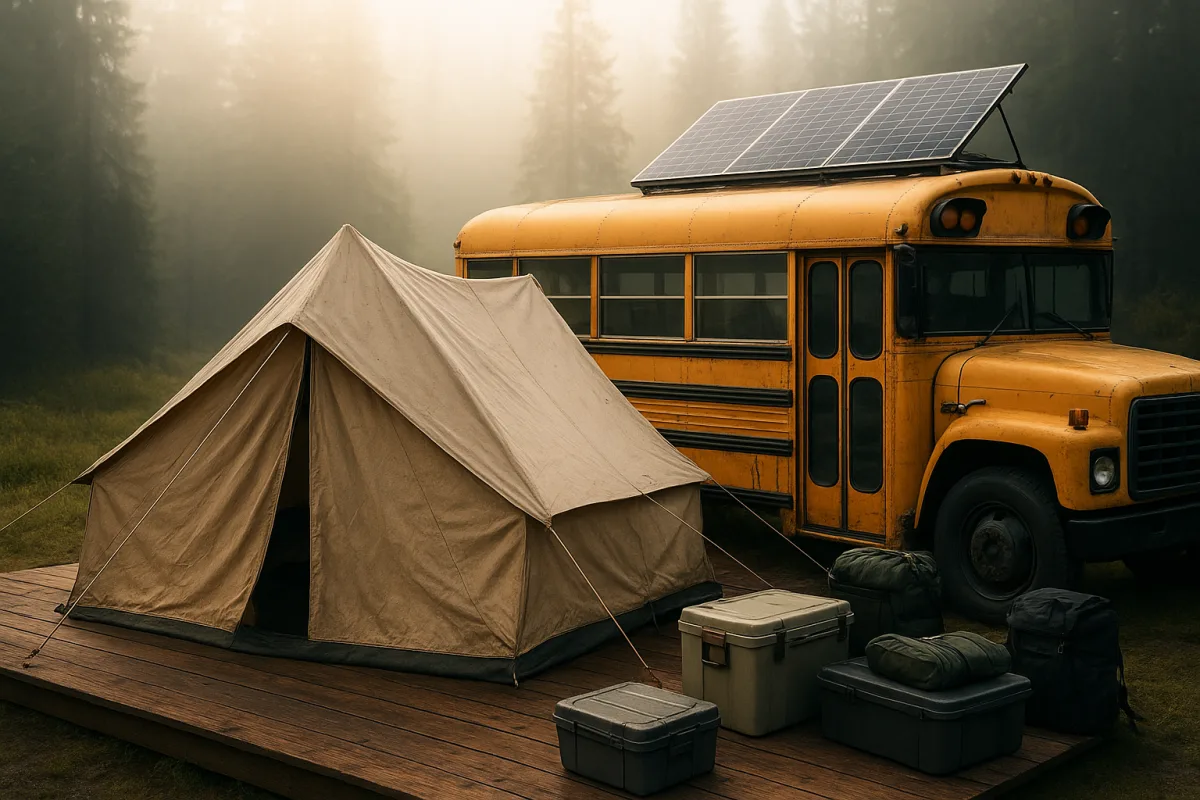
Living in a Tent and Bus Road Trips
Explore living in a tent and bus road trips with tips on costs, logistics, and seasonal travel bases for unique travel experiences.
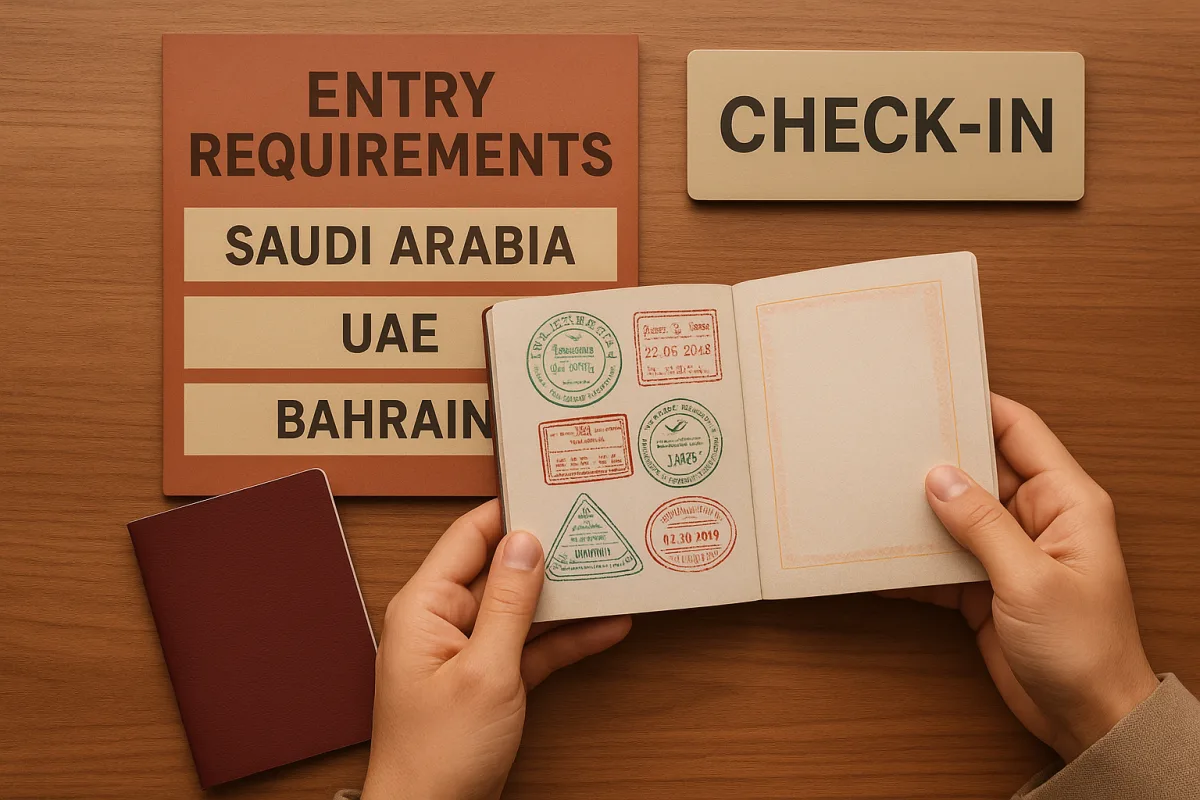
Arabian Travel Market 2026
Explore key tourism trends, GCC visa updates, and regional travel insights from Arabian Travel Market 2026 for Gulf trip planning.